Best Of
Re: Monitor 4 upgrades
I would have tossed the boards and just made point 2 point crossovers,
 Toolfan66
2 ·
Re: Post a picture.....any picture...part deux...
My Polara had bucket seats and a console too. It was really a nice car.

 Tony M
1 ·
Re: Post a picture.....any picture...part deux...

Janis Joplin’s psychedelic Porsche
 BlueBirdMusic
5 ·
Re: Happy Thanksgiving!
A Charlie Brown Thanksgiving ...
Remastered original soundtrack to the Peanuts television special "A Charlie Brown Thanksgiving" that first aired on Nov. 20, 1973.
Composed by Vince Guaraldi. Arranged by John Scott Trotter.
Recorded at Wally Heider Studios, San Francisco on July 17 and 18, August 6 and October 1, 1973.
https://www.youtube.com/embed/videoseries?list=PLilX_wFszP8je2btkuylu99nVCjNpz-6t
Remastered original soundtrack to the Peanuts television special "A Charlie Brown Thanksgiving" that first aired on Nov. 20, 1973.
Composed by Vince Guaraldi. Arranged by John Scott Trotter.
Recorded at Wally Heider Studios, San Francisco on July 17 and 18, August 6 and October 1, 1973.
https://www.youtube.com/embed/videoseries?list=PLilX_wFszP8je2btkuylu99nVCjNpz-6t
 CGTIII
2 ·


Re: Post a picture.....any picture...part deux...
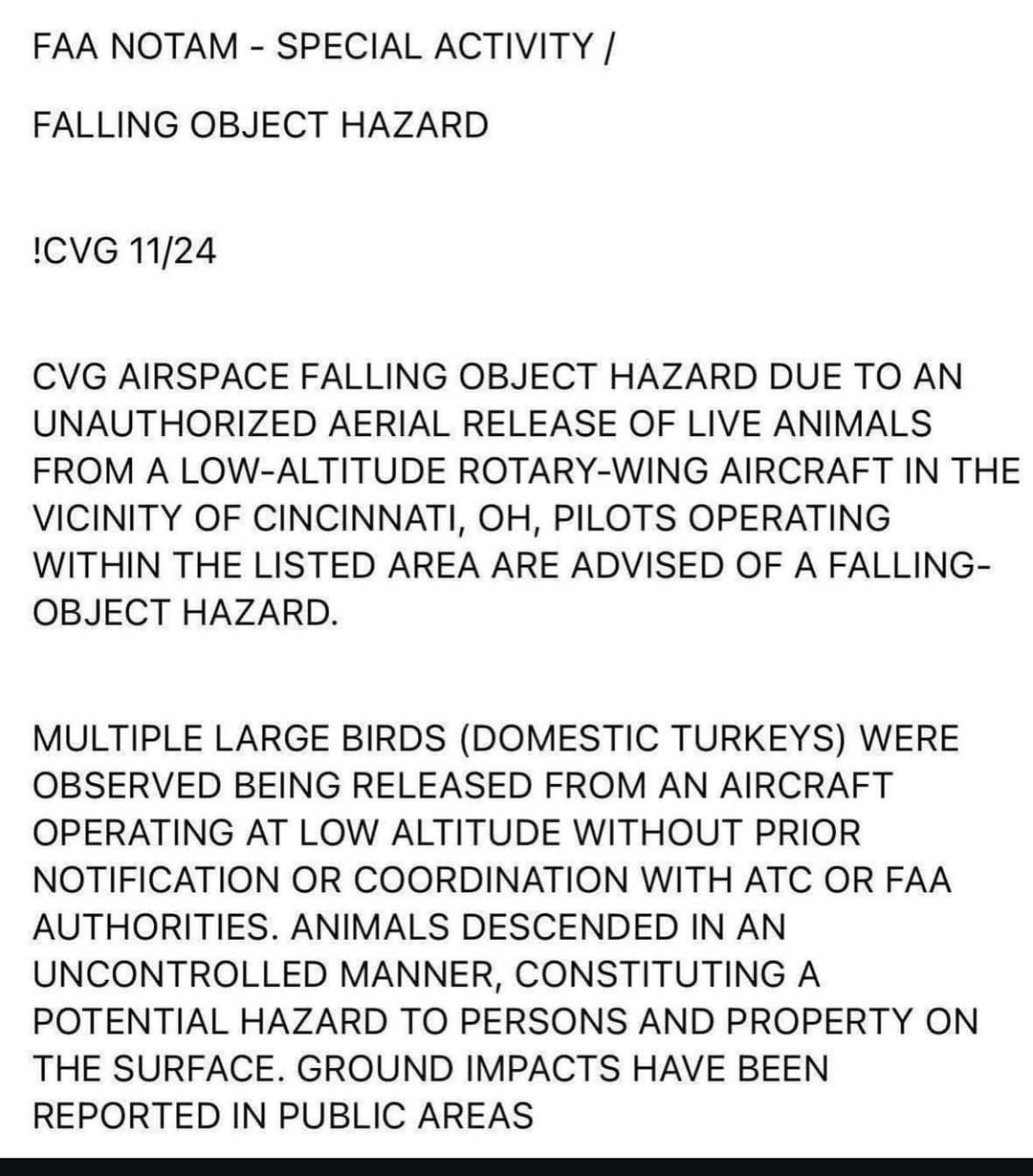
As god as my witness, I thought Turkey's could fly ...
 pitdogg2
4 ·

Re: New to me SRS 2s
The ideal motion of a woofer's cone would be to move outward exactly as driven by the positive part of the electrical signal, then stop precisely when the positive portion of the electrical signal reaches its peak. Then it would begin returning to the rest position when the positive and negative portion of the signal is null and then begin the inward portion of its movement corresponding to the negative part of the signal. However, since the woofer cone has mass it is influenced by inertia, it wants to continue moving outward past the peak of the signal both during the forward and rearward part of its journey.
One of the ways to reduce this overhang effect is to short out the woofer's voice coil between the musical signal. If a quick moving wire could be placed between the woofer's terminals exactly when the driving audio signal were at the zero point the woofer would tend to not overdrive itself. The next time you have a woofer outside of the cabinet and crossover gently push on the woofer's cone. Then take an alligator clip lead and place it across the woofer's terminals. Again push on the cone and you will find it a bit stiffer to move since the shorted voice coil causes a braking action against the coil in the woofer's magnetic field. Think of it as magnetic braking. There are some speakers that are shipped with shorting wires across the terminals to prevent excessive cone movement.
Well, this is exactly what the amplifier's low impedance does, it acts as a short whenever there is no audio signal being produced. The woofer thinks it's being shorted out whenever there isn't a positive or negative audio signal for it to respond to. As to how much of this braking action is sufficient to minimize overhang in a woofer depends upon lots of variables. How much does the woofer's cone weigh? What is the voice coil and permanent magnet's relationship to the electromotive force propelling it? What about the surround structure, how will it effect the cone's movement? Is the enclosure sealed or vented? Is there a passive radiator also moving? What is the air-speed of an unladen swallow?
One of the ways to reduce this overhang effect is to short out the woofer's voice coil between the musical signal. If a quick moving wire could be placed between the woofer's terminals exactly when the driving audio signal were at the zero point the woofer would tend to not overdrive itself. The next time you have a woofer outside of the cabinet and crossover gently push on the woofer's cone. Then take an alligator clip lead and place it across the woofer's terminals. Again push on the cone and you will find it a bit stiffer to move since the shorted voice coil causes a braking action against the coil in the woofer's magnetic field. Think of it as magnetic braking. There are some speakers that are shipped with shorting wires across the terminals to prevent excessive cone movement.
Well, this is exactly what the amplifier's low impedance does, it acts as a short whenever there is no audio signal being produced. The woofer thinks it's being shorted out whenever there isn't a positive or negative audio signal for it to respond to. As to how much of this braking action is sufficient to minimize overhang in a woofer depends upon lots of variables. How much does the woofer's cone weigh? What is the voice coil and permanent magnet's relationship to the electromotive force propelling it? What about the surround structure, how will it effect the cone's movement? Is the enclosure sealed or vented? Is there a passive radiator also moving? What is the air-speed of an unladen swallow?
 SeleniumFalcon
5 ·