Best Of

Re: Polk ES15 rubber discoloration
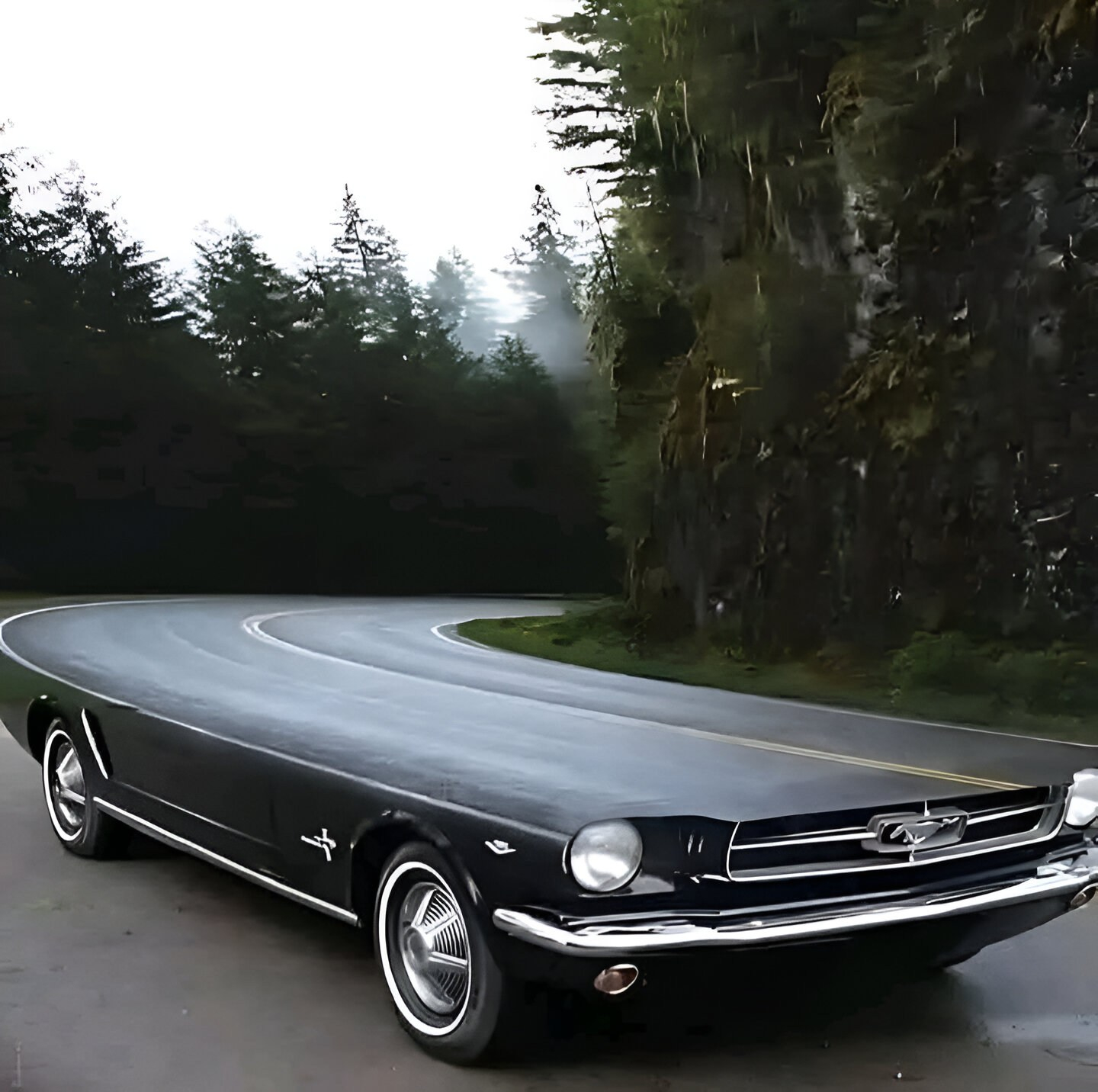
I found this for sale, is this the same discoloration you mentioned? Is this still good?
The color looks different from what I see on google.
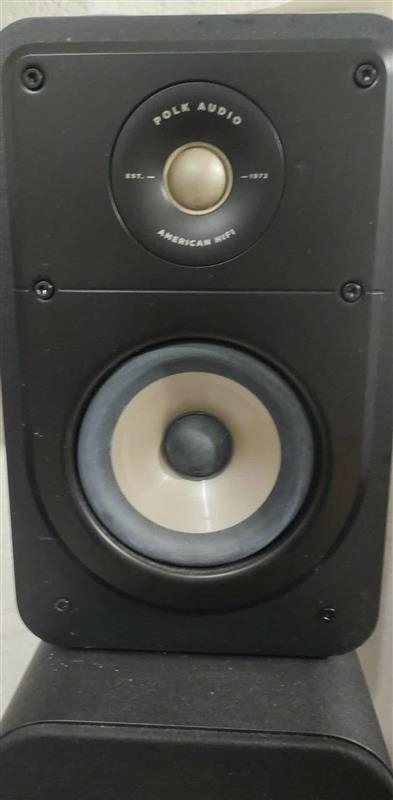
No, this looks white, I think is called blooming. The discoloration I mentioned is more likely "brownish". But as you can see the cotton removed it.
 polgeo
1 ·
Re: Thinking about trying a tube amp. Thoughts.
Oh an back in 2010, at Lou's for the Polkfest, the rig that got listened often (probably the most) was my stupid little 8wpc tube amp with with a glorified gain function and a 3.5mm to RCA input powering a set of jungle green KLH Model 17's I got from RuSsMaN by way of George Grand.
Doro and I were listening to Rob Zombie at 11 and Lou actually had to come upstairs to The Amazings Room to tell us to turn it down because they couldn't hear the AR9 and BBQ rig in the living room. But when Al Ballard heard about what was making all the noise, he came upstairs with some glasses and bottle of booze and said "I have to spend some time with this."
That little amp ran all weekend long and still has it's magic smoke. We did abuse it a bit and about a year after that I had one tube on each channel open up on me and when they did, I replaced all 4 and bought 2 sets of replacements at the time.
Also, at one point, I had that stereo amp plus 3 mono amps built on the same 11BM8 tube and used it as a home theater in my small apartment. I ran the KLH 17's on the front stage and pair of KLH 22's on the rear stage and an EPI single speaker for the center that George didn't have a partner for.
I will say that the HT was pretty neat seeing 11 tubes glowing away on the shelf but, the length of wire to run to the rear speakers did make a difference in dynamics and they seemed disjointed from the front stage. The EPI was a bit brighter than the KLH17's so it stood out a bit too. While watching stuff that was heavy with music was certainly enjoyable, they just didn't have the guts needed for the dynamics of a home theater. The cool factor was through the roof but the reality was something significantly less.
The lack of dynamics was not due to the speakers, either. They may only be in the 15-17 kHz range on the top end but even the small-ish Model 22's would dig down to the 40 Hz range reliably. Enough that the low end was filled out easily with a Polk Audio C4 non-amplified, band-pass subwoofer being run by a NAD bridgeable stereo amp feeding it 200 watts crossed over at 80 Hz. The 8 watt tube amps just struggled to keep up with stuff like explosions or roaring engines or something and it was apparent.
The center amp blew it's power transformer and one of the tubes and I didn't replace it. I ended up giving the other two monos away to a friend's kid as well as a pair of KLH 17's and second Onkyo P-301 pre-amp I had sitting around. They moved away, though, and I lost touch so I have no idea how long it survived but all he had hooked up to it was his dad's old Technics turntable. Dad and son got to listen to his LPs and get baked in the basement like he used to when he was a kid so, hey, mission accomplished!
Doro and I were listening to Rob Zombie at 11 and Lou actually had to come upstairs to The Amazings Room to tell us to turn it down because they couldn't hear the AR9 and BBQ rig in the living room. But when Al Ballard heard about what was making all the noise, he came upstairs with some glasses and bottle of booze and said "I have to spend some time with this."
That little amp ran all weekend long and still has it's magic smoke. We did abuse it a bit and about a year after that I had one tube on each channel open up on me and when they did, I replaced all 4 and bought 2 sets of replacements at the time.
Also, at one point, I had that stereo amp plus 3 mono amps built on the same 11BM8 tube and used it as a home theater in my small apartment. I ran the KLH 17's on the front stage and pair of KLH 22's on the rear stage and an EPI single speaker for the center that George didn't have a partner for.
I will say that the HT was pretty neat seeing 11 tubes glowing away on the shelf but, the length of wire to run to the rear speakers did make a difference in dynamics and they seemed disjointed from the front stage. The EPI was a bit brighter than the KLH17's so it stood out a bit too. While watching stuff that was heavy with music was certainly enjoyable, they just didn't have the guts needed for the dynamics of a home theater. The cool factor was through the roof but the reality was something significantly less.
The lack of dynamics was not due to the speakers, either. They may only be in the 15-17 kHz range on the top end but even the small-ish Model 22's would dig down to the 40 Hz range reliably. Enough that the low end was filled out easily with a Polk Audio C4 non-amplified, band-pass subwoofer being run by a NAD bridgeable stereo amp feeding it 200 watts crossed over at 80 Hz. The 8 watt tube amps just struggled to keep up with stuff like explosions or roaring engines or something and it was apparent.
The center amp blew it's power transformer and one of the tubes and I didn't replace it. I ended up giving the other two monos away to a friend's kid as well as a pair of KLH 17's and second Onkyo P-301 pre-amp I had sitting around. They moved away, though, and I lost touch so I have no idea how long it survived but all he had hooked up to it was his dad's old Technics turntable. Dad and son got to listen to his LPs and get baked in the basement like he used to when he was a kid so, hey, mission accomplished!
 Jstas
Jstas
1 ·


Re: Thinking about trying a tube amp. Thoughts.
Power isn't a good measure of what you would want. You can have a tube amp with only 20 watts per channel and it will perform as well or better than a tube amp with 60 watts per channel.
There's two factors you need to consider when choosing something that fits your room with tube amplification. Well, three.
First: Budget. Figure out how much you can spend and then start looking for stuff in that price range.
Second: How efficient are your speakers? Big speakers for big rooms but, big speakers are a hard load to drive. So figure out what your speaker sensitivity is and if it's under about 92dB, you'll want to find a tube amp with over 20 watts, probably closer to 50-70 watts. You go above that and you will be getting into really expensive stuff.
Third: Signal to Noise ratio. The better the SNR numbers are, the more overhead that amp will have on it and you will be able to drive a heavier load at a reasonable level.
The SNR is the ratio of your signal to your noise. Every amplification circuit has noise introduced somewhere along the line. The more engineering put in to finding and taming that noise before the output the more expensive the piece of gear gets. Tube amps have lots of inherent noise. Here, this explains it good:
So, for example, here is a 12wpc, class A tube amp from Yaqin, an outfit out of China:
https://shenzhenaudio.com/products/yaqin-mc-84l-class-a-vacuum-tube-integrated-headphone-amplifier?variant=29748472545340&country=US¤cy=USD&srsltid=AfmBOop1xXFIyeqiEGvR0tuqVi48p4GOGBryxS8UJ8nHXyfUwQPiwd2Y7TY
It has an SNR of 78 dB but the concerning number is the 5% distortion at 6 watts. That's a messy amplifier. I HOPE it's a misprint and more like .5% at 6 watts 'cause while still messy with the measurement at only half it's rated power, that's much better. But that tells me that even though it's Class A, it's inefficient and you want a really sensitive speaker to run on that amp. Even at that, it will likely not reach rockin' the house levels of sound pressure levels. It's using EL84 / 6P14 x 4 for output tubes and 12ax7 x 2 for driver tubes.
For comparison, here's a Luxman at 10wpc at 6 ohms, so more like 8 wpc at 8 ohms.
https://audiolab.com/products/luxman-sq-n150-vacuum-tube-integrated-amplifier?variant=51878404456814&country=US¤cy=USD&gad_source=1&gad_campaignid=22372215553&gbraid=0AAAAAD-AjcAsSOw--RTYIaeq5penKnbE2
It has an SNR of 95dB and a total harmonic distortion level of 1% or less at 10 watts. That is a very clean amplifier by the numbers and despite the lower wattage, it's going to be able to get to decent levels of volume before it starts breaking up. It's not likely to shake the walls down either but it will be good for critical listening at moderate levels. It's using ECC83 × 2 for the driver tubes, EL84 × 4 for the output tubes.
Then there's this Cary:
https://carydirect.com/cad-120s-mkii.html?srsltid=AfmBOoq_ptPTWpbogcGVnMviyNJvyuC7QboGdSm1lzVIzJhLZ8j0bizNKOU
At 60wpc and an SNR of 80 dB, it'll handle most anything you can throw at it except the very largest stuff that demands stuff like 100 watts minimum. But the Cary here has a gain circuit which complicates things and introduces noise sources but they tamed it well if they got all that in to an 80 dB SNR. It also makes the amp more flexible on what it can drive. But for it's price, it'd better! It uses two 6SN7 input tubes on the gain stage, two 6SN7 driver tubes and eight KT 88 output tubes and none of those are super expensive at all. So even though the price of entry is high, they used very common tubes for everything so you can get replacements for bad tubes inexpensively. That's a good thing.
So there's 3 different tube amps all over the map. For just these 3 alone, if I had the money and needed to drive large speakers, I'd go with the Cary. The Luxman is going to perform very well, especially on more sensitive speakers so it's a good compromise and good for critical listening but if I want to blow the windows out of the house, that one is not it. The YAQIN, I would pass on that one. YAQIN does have other models that are much better, though, but pricier.
There's plenty of other brands out there, though. You can pick up nice stuff on the used markets too.
So you have a fairly large room to fill with sound. You know you have to look at the sensitivity ratings on the signal to noise ratio and total distortion percentage and at what power level the measurements were taken at.
Do you have an idea of what speakers you want to drive with this? 'Cause it'd be easier to make a recommendation on what to look for with that. Unless I gave enough info for you to feel confident shopping yourself?
There's two factors you need to consider when choosing something that fits your room with tube amplification. Well, three.
First: Budget. Figure out how much you can spend and then start looking for stuff in that price range.
Second: How efficient are your speakers? Big speakers for big rooms but, big speakers are a hard load to drive. So figure out what your speaker sensitivity is and if it's under about 92dB, you'll want to find a tube amp with over 20 watts, probably closer to 50-70 watts. You go above that and you will be getting into really expensive stuff.
Third: Signal to Noise ratio. The better the SNR numbers are, the more overhead that amp will have on it and you will be able to drive a heavier load at a reasonable level.
The SNR is the ratio of your signal to your noise. Every amplification circuit has noise introduced somewhere along the line. The more engineering put in to finding and taming that noise before the output the more expensive the piece of gear gets. Tube amps have lots of inherent noise. Here, this explains it good:
Noise Level
The noise level is the level of unwanted signals or interference. It can come from various sources such as electrical devices, radio waves, and other wireless networks. A lower noise level means a better SNR.
A ratio higher than 1:1 (greater than 0 dB) indicates more signal than noise. An SNR of 95 dB means that the level of the audio signal is 95 dB higher than the level of the noise. However, keep in mind that a very low noise level is not always achievable. In some cases, it may be necessary to reduce the noise level by using noise-cancelling techniques or by moving away from the source of interference.
So, for example, here is a 12wpc, class A tube amp from Yaqin, an outfit out of China:
https://shenzhenaudio.com/products/yaqin-mc-84l-class-a-vacuum-tube-integrated-headphone-amplifier?variant=29748472545340&country=US¤cy=USD&srsltid=AfmBOop1xXFIyeqiEGvR0tuqVi48p4GOGBryxS8UJ8nHXyfUwQPiwd2Y7TY
It has an SNR of 78 dB but the concerning number is the 5% distortion at 6 watts. That's a messy amplifier. I HOPE it's a misprint and more like .5% at 6 watts 'cause while still messy with the measurement at only half it's rated power, that's much better. But that tells me that even though it's Class A, it's inefficient and you want a really sensitive speaker to run on that amp. Even at that, it will likely not reach rockin' the house levels of sound pressure levels. It's using EL84 / 6P14 x 4 for output tubes and 12ax7 x 2 for driver tubes.
For comparison, here's a Luxman at 10wpc at 6 ohms, so more like 8 wpc at 8 ohms.
https://audiolab.com/products/luxman-sq-n150-vacuum-tube-integrated-amplifier?variant=51878404456814&country=US¤cy=USD&gad_source=1&gad_campaignid=22372215553&gbraid=0AAAAAD-AjcAsSOw--RTYIaeq5penKnbE2
It has an SNR of 95dB and a total harmonic distortion level of 1% or less at 10 watts. That is a very clean amplifier by the numbers and despite the lower wattage, it's going to be able to get to decent levels of volume before it starts breaking up. It's not likely to shake the walls down either but it will be good for critical listening at moderate levels. It's using ECC83 × 2 for the driver tubes, EL84 × 4 for the output tubes.
Then there's this Cary:
https://carydirect.com/cad-120s-mkii.html?srsltid=AfmBOoq_ptPTWpbogcGVnMviyNJvyuC7QboGdSm1lzVIzJhLZ8j0bizNKOU
At 60wpc and an SNR of 80 dB, it'll handle most anything you can throw at it except the very largest stuff that demands stuff like 100 watts minimum. But the Cary here has a gain circuit which complicates things and introduces noise sources but they tamed it well if they got all that in to an 80 dB SNR. It also makes the amp more flexible on what it can drive. But for it's price, it'd better! It uses two 6SN7 input tubes on the gain stage, two 6SN7 driver tubes and eight KT 88 output tubes and none of those are super expensive at all. So even though the price of entry is high, they used very common tubes for everything so you can get replacements for bad tubes inexpensively. That's a good thing.
So there's 3 different tube amps all over the map. For just these 3 alone, if I had the money and needed to drive large speakers, I'd go with the Cary. The Luxman is going to perform very well, especially on more sensitive speakers so it's a good compromise and good for critical listening but if I want to blow the windows out of the house, that one is not it. The YAQIN, I would pass on that one. YAQIN does have other models that are much better, though, but pricier.
There's plenty of other brands out there, though. You can pick up nice stuff on the used markets too.
So you have a fairly large room to fill with sound. You know you have to look at the sensitivity ratings on the signal to noise ratio and total distortion percentage and at what power level the measurements were taken at.
Do you have an idea of what speakers you want to drive with this? 'Cause it'd be easier to make a recommendation on what to look for with that. Unless I gave enough info for you to feel confident shopping yourself?
Jstas
1 ·
Turntable For CD's
For those who embraced CD but missed their turntables...the Vivia CD turntable. I missed this, from last year. Not getting one either...I'll stay with my vinyl spinning Lenco....
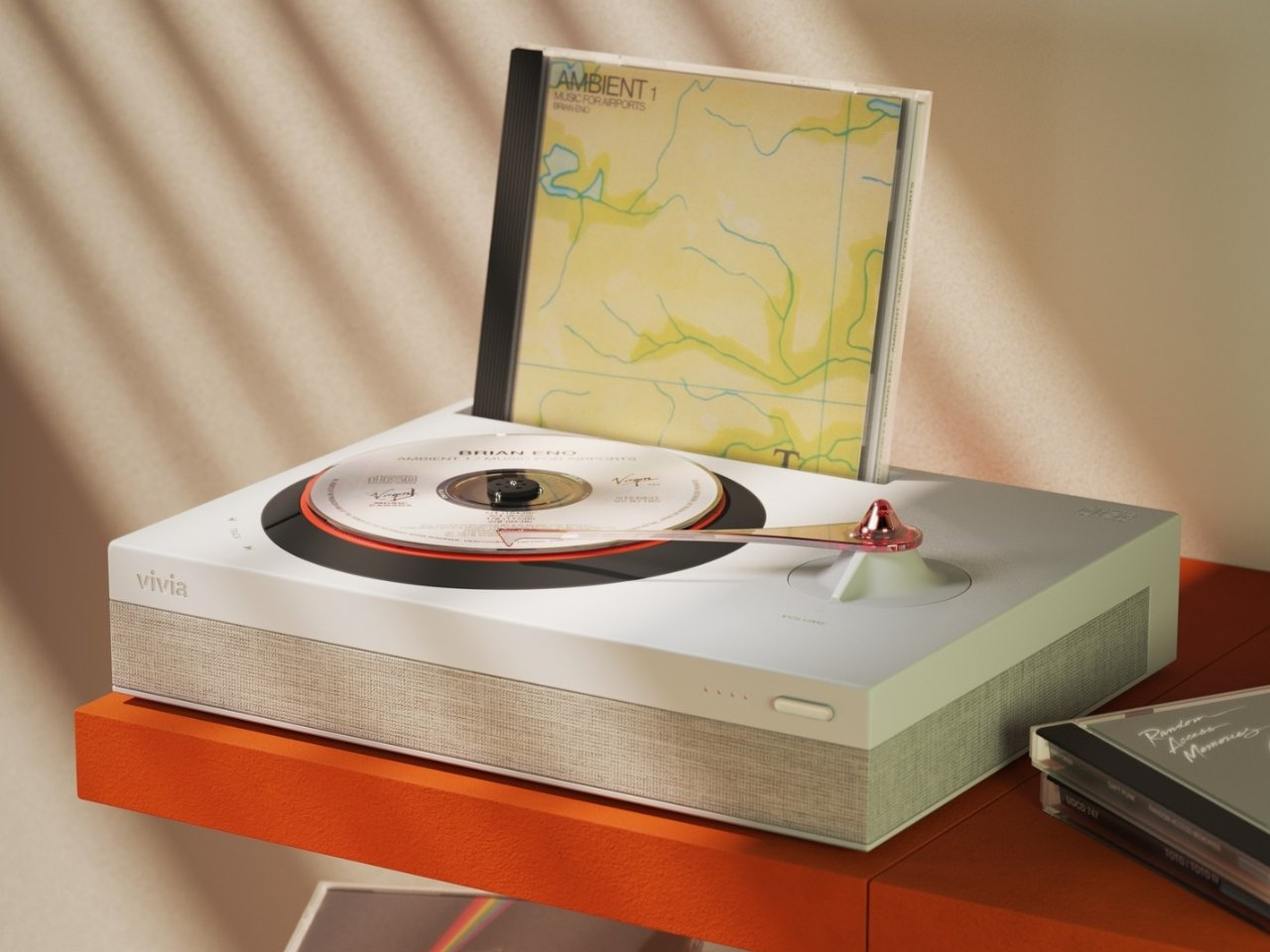
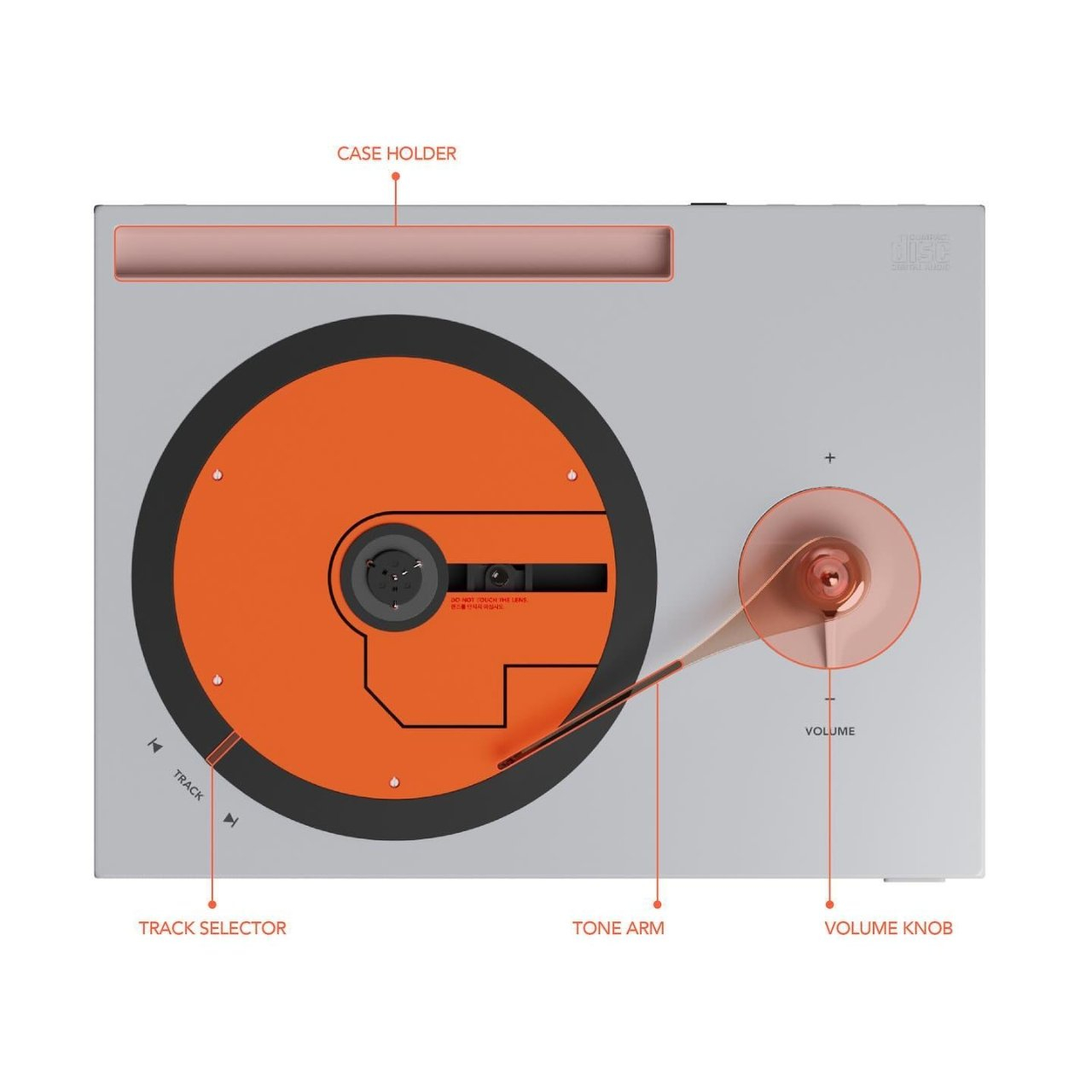
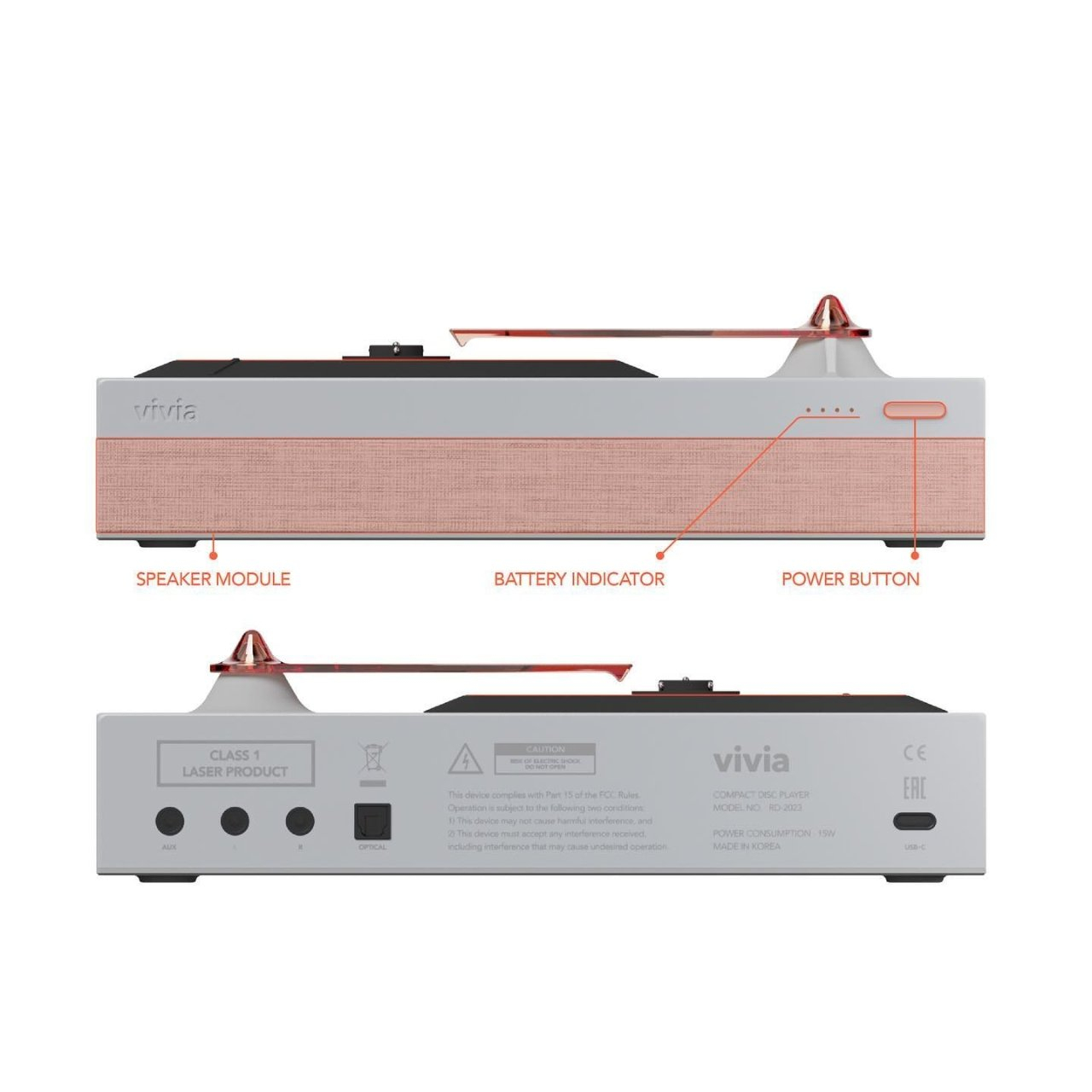
https://darko.audio/2024/03/the-vivia-is-a-cd-player-that-behaves-like-a-turntable/
https://darko.audio/2024/03/the-vivia-is-a-cd-player-that-behaves-like-a-turntable/
 SCompRacer
2 ·