Serendipitious Turntable Power Suppy Noise

DarqueKnight
Posts: 6,765
Introduction
I recently upgraded the motor of my Teres 255 turntable to the Teres Reference II motor with battery power supply (review here). The Reference II motor, like the Signature III motor it replaced, produces an annoying pop when the charging circuit engages and disengages. Teres found that the charging circuit diminishes sound quality if it is active while the turntable is running off the battery.
Other Signature III owners found that installing a small value capacitor across the secondary outputs of the power supply transformer removed the pop. I placed a 0.22 uF 200 volt polypropylene capacitor across the secondary outputs and the pop disappeared. The pop from the Reference II power supply was even louder and more obnoxious than that of the Signature III power supply. I asked Chris Brady of Teres Audio if a similar capacitor snub would work with the Reference II motor. He said that it should and that I should also try placing a capacitor across the transformer's primary inputs and also try moving the power supply farther away from the phono preamp. The capacitors and relocation of the power supply greatly diminished the pop, but I could not get rid of it completely.
Power Supply Noise Lead Me To Better Sound
The Reference II motor can be run from AC mains power or from the battery. During the course of trying to get rid of the pop, I auditioned the turntable while running from mains power. When I purchased the Signature III motor in 2006, I compared the sound of the turntable when powered from AC and the battery. The sound with battery power was significantly better with respect to noise floor, image weight, overall clarity and bass definition and impact.
The difficulty in getting rid of the Reference motors switching pop was frustrating but ultimately serendipitous: (1) I found out that I achieved better sound by running my turntable off regenerated AC (from a PS Audio Power Plant Premier) rather than the battery. (2) While running from AC power, I don't get the annoying "pop" when the charging circuit engages and disengages.
The Reference II's power supply is configured for mains power by removing a jumper. I went a step further and disconnected the battery while running from the Power Plant. This resulted in Such Good Sound that I started going back through familiar recordings and noting new musical detail. Running the turntable from the Power Port Premier resulted in the following improvements:
1. Stroboscopic measurements showed that the speed was locked at exactly 33-1/3 rpm and 45 rpm whereas it was 0.2% slow with the battery in the circuit.
2. The noise floor was lowered as evidenced by an apparent increase in sound level (sound level meter showed same absolute sound level).
3. More detail overall.
4. Heavier images.
5. More bass impact.
6. A little more depth in the sound stage.
7. An enhanced sense of 3-dimensionality.
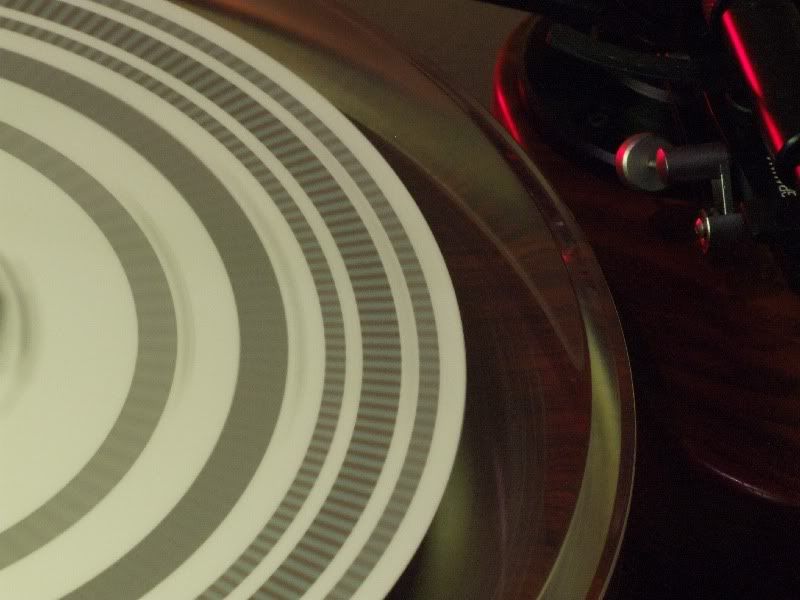
Figure 1. Regenerated AC resulted in better regulated speed and better sound. Photo exposure was 1 second at f5.
Best sound was achieved by running the motor from regenerated AC with the battery disconnected. This resulted in no measurable speed deviation from the nominal 33-1/3 rpm and 45 rpm.
The 2nd best sound was achieved by running the motor from regenerated AC with the battery connected. This resulted in a measurable speed deviation from the nominal 33-1/3 rpm and 45 rpm of -0.2%.
The 3rd best sound was achieved by running the motor from the battery. This resulted in a measurable speed deviation from the nominal 33-1/3 rpm and 45 rpm of -0.2%.
The 4th best sound was achieved by running the motor from the wall AC with the battery disconnected. This resulted in no measurable speed deviation from the nominal 33-1/3 rpm and 45 rpm. The noise floor was raised as evidenced by an apparent lowering of sound level, diminished image weight and loss of detail.
I asked Chris Brady if Teres Audio had done any research with running their turntable motors with regenerated AC. His response:
"I find that the benefit from battery power is very dependent on the quality of the AC power. With good clean AC the difference is smaller but I have never seen a case where the AC equaled the battery. I have not heard our motor when used with a regenerator."
Battery power was much better than wall power but was not as good as low noise regenerated AC. I never would have known if not for that pesky, extremely difficult to get rid of pop. Maybe the pop was the motors way of telling me that it preferred regenerated AC.:)

Figure 2. Cleaner, more stable AC made a big difference where I didn't expect it to.
Note that the speed regulation was identical (0% deviation with the battery disconnected) whether the turntable motor was powered from ordinary wall AC or regenerated AC. The additional benefit of cleaner AC power made a huge improvement in the sound.
Summary Of Tweaks For Teres 255 turntable
1. Switched to using an acid-etched holographic mylar belt. The speed deviation with the stock mylar belt was -0.9%. The speed with the acid-etched holographic mylar belt was -0.2%.
2. Placed the turntable on Black Diamond Racing Jumbo Pits vibration isolation devices.
3. Replaced the stock Signature III motor with the Reference II motor.
4. Configured the Reference II motor to run from regenerated AC power rather than battery power.
5. Replaced the stock wood reflex clamp with The Clamp from Sonic Purity Concepts and Design.
All of the above had significant positive effect on the sound. Ranking them in order of effect on sound quality they are:
1. Reference Motor.
2. Regenerated AC.
3. BDR Jumbo Pits.
4. Acid-Etched Holographic Mylar Belt.
5. The Clamp
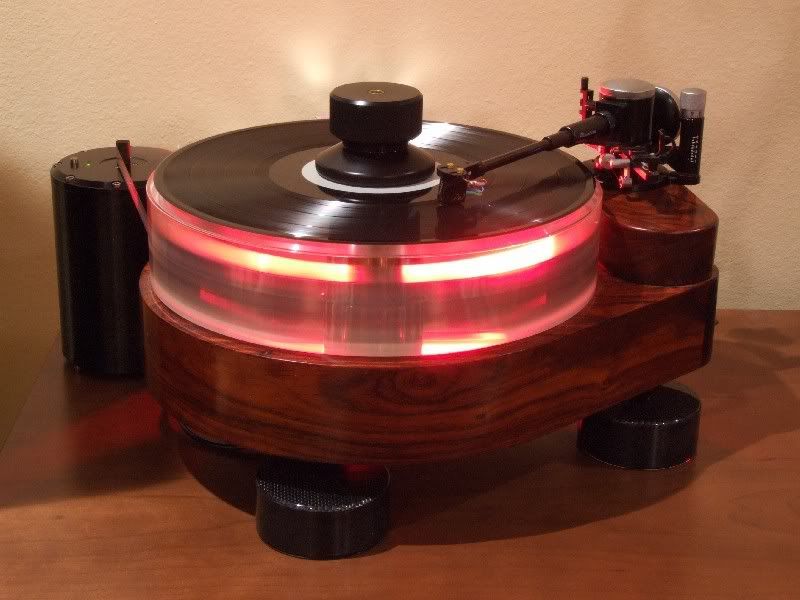
Sure...I'm spoiled rotten...but I'm worth it...because I make Such Good Sound.
I recently upgraded the motor of my Teres 255 turntable to the Teres Reference II motor with battery power supply (review here). The Reference II motor, like the Signature III motor it replaced, produces an annoying pop when the charging circuit engages and disengages. Teres found that the charging circuit diminishes sound quality if it is active while the turntable is running off the battery.
Other Signature III owners found that installing a small value capacitor across the secondary outputs of the power supply transformer removed the pop. I placed a 0.22 uF 200 volt polypropylene capacitor across the secondary outputs and the pop disappeared. The pop from the Reference II power supply was even louder and more obnoxious than that of the Signature III power supply. I asked Chris Brady of Teres Audio if a similar capacitor snub would work with the Reference II motor. He said that it should and that I should also try placing a capacitor across the transformer's primary inputs and also try moving the power supply farther away from the phono preamp. The capacitors and relocation of the power supply greatly diminished the pop, but I could not get rid of it completely.
Power Supply Noise Lead Me To Better Sound
The Reference II motor can be run from AC mains power or from the battery. During the course of trying to get rid of the pop, I auditioned the turntable while running from mains power. When I purchased the Signature III motor in 2006, I compared the sound of the turntable when powered from AC and the battery. The sound with battery power was significantly better with respect to noise floor, image weight, overall clarity and bass definition and impact.
The difficulty in getting rid of the Reference motors switching pop was frustrating but ultimately serendipitous: (1) I found out that I achieved better sound by running my turntable off regenerated AC (from a PS Audio Power Plant Premier) rather than the battery. (2) While running from AC power, I don't get the annoying "pop" when the charging circuit engages and disengages.
The Reference II's power supply is configured for mains power by removing a jumper. I went a step further and disconnected the battery while running from the Power Plant. This resulted in Such Good Sound that I started going back through familiar recordings and noting new musical detail. Running the turntable from the Power Port Premier resulted in the following improvements:
1. Stroboscopic measurements showed that the speed was locked at exactly 33-1/3 rpm and 45 rpm whereas it was 0.2% slow with the battery in the circuit.
2. The noise floor was lowered as evidenced by an apparent increase in sound level (sound level meter showed same absolute sound level).
3. More detail overall.
4. Heavier images.
5. More bass impact.
6. A little more depth in the sound stage.
7. An enhanced sense of 3-dimensionality.
Figure 1. Regenerated AC resulted in better regulated speed and better sound. Photo exposure was 1 second at f5.
Best sound was achieved by running the motor from regenerated AC with the battery disconnected. This resulted in no measurable speed deviation from the nominal 33-1/3 rpm and 45 rpm.
The 2nd best sound was achieved by running the motor from regenerated AC with the battery connected. This resulted in a measurable speed deviation from the nominal 33-1/3 rpm and 45 rpm of -0.2%.
The 3rd best sound was achieved by running the motor from the battery. This resulted in a measurable speed deviation from the nominal 33-1/3 rpm and 45 rpm of -0.2%.
The 4th best sound was achieved by running the motor from the wall AC with the battery disconnected. This resulted in no measurable speed deviation from the nominal 33-1/3 rpm and 45 rpm. The noise floor was raised as evidenced by an apparent lowering of sound level, diminished image weight and loss of detail.
I asked Chris Brady if Teres Audio had done any research with running their turntable motors with regenerated AC. His response:
"I find that the benefit from battery power is very dependent on the quality of the AC power. With good clean AC the difference is smaller but I have never seen a case where the AC equaled the battery. I have not heard our motor when used with a regenerator."
Battery power was much better than wall power but was not as good as low noise regenerated AC. I never would have known if not for that pesky, extremely difficult to get rid of pop. Maybe the pop was the motors way of telling me that it preferred regenerated AC.:)
Figure 2. Cleaner, more stable AC made a big difference where I didn't expect it to.
Note that the speed regulation was identical (0% deviation with the battery disconnected) whether the turntable motor was powered from ordinary wall AC or regenerated AC. The additional benefit of cleaner AC power made a huge improvement in the sound.
Summary Of Tweaks For Teres 255 turntable
1. Switched to using an acid-etched holographic mylar belt. The speed deviation with the stock mylar belt was -0.9%. The speed with the acid-etched holographic mylar belt was -0.2%.
2. Placed the turntable on Black Diamond Racing Jumbo Pits vibration isolation devices.
3. Replaced the stock Signature III motor with the Reference II motor.
4. Configured the Reference II motor to run from regenerated AC power rather than battery power.
5. Replaced the stock wood reflex clamp with The Clamp from Sonic Purity Concepts and Design.
All of the above had significant positive effect on the sound. Ranking them in order of effect on sound quality they are:
1. Reference Motor.
2. Regenerated AC.
3. BDR Jumbo Pits.
4. Acid-Etched Holographic Mylar Belt.
5. The Clamp
Sure...I'm spoiled rotten...but I'm worth it...because I make Such Good Sound.
Proud and loyal citizen of the Digital Domain and Solid State Country!
Post edited by DarqueKnight on
Comments
-
DK, your reviews and writeups are always done very well; nice work.
BTW: although it may not be your intended result, they make me slobber.
Also: "The Clamp" looks very nice sitting there on the throne. Is that HearingImpaired's clamp ?Sal Palooza -
Raife,
Your photographic skills are outstanding and continue to get better and better, heck, I can just stare at the pretty pictures and not even get to the text.
RT1 -
mrbigbluelight wrote: »Is that HearingImpaired's clamp ?
It is.:)reeltrouble1 wrote: »I can just stare at the pretty pictures and not even get to the text.
Thanks. Pretty pictures and packaging are important parts of the audiophile experience.Proud and loyal citizen of the Digital Domain and Solid State Country! -
As usual nice write up Doc. Thanks for the vote of confidence in my clamp. I came across two more that I plan on selling.
-
Cool, thanks man.
-
reeltrouble1 wrote: »Raife,
Your photographic skills are outstanding and continue to get better and better, heck, I can just stare at the pretty pictures and not even get to the text.
RT1
+100000000000 amazing pictures. -
hearingimpared wrote: »Thanks for the vote of confidence in my clamp.
Thank you for a wonderful clamp.hearingimpared wrote: »I came across two more that I plan on selling.
You should send one to Fremer at Stereophile and let him bless it. Then you can sell them for way, way over your asking price.
I would buy one of the clamps you just found, but I had the foresight to buy two when you had the Club Polk sale going on. Thanks.:)
It's a pity that only a select few will be able to enjoy this clamp, but, on the other hand, the rarity adds a bit of mystique.Proud and loyal citizen of the Digital Domain and Solid State Country! -
DarqueKnight wrote: »Thank you for a wonderful clamp.
You should send one to Fremer at Stereophile and let him bless it. Then you can sell them for way, way over your asking price.
I would buy one of the clamps you just found, but I had the foresight to buy two when you had the Club Polk sale going on. Thanks.:)
It's a pity that only a select few will be able to enjoy this clamp, but, on the other hand, the rarity adds a bit of mystique.
I'm humbled by your comments.:) -
I sent my speed measurement results to Chris Brady of Teres Audio. Here is his response:
"Thanks for the update. I would not have predicted that regenerated AC would be better than battery, but I am not really surprised. Good information...
But I do not think that the speed measurements are meaningful. The motor uses a very slow servo circuit that allows for some amount of speed error to avoid hunting. The amount of error will vary depending on how long the motor has been running. After 5-10 minutes of play it converges quite nicely. If you were to repeat your tests I think that you would find that the measurements would be quite different."
I redid the speed measurements and sent this reply to Chris:
"I measured the speed immediately after the speed had locked and again 18 minutes later. The speed measurements were the same for the battery powered and regenerated AC cases.
In two trials, while the motor was running from battery power, I removed jumper S02, disconnected the battery and then measured how long it took the speed to go from the -0.2% deviation value to 0% deviation with regenerated AC. It was a little over three minutes in each trial.
I might see less differences if I had more sophisticated measuring equipment. The important thing is the excellent analog playback I am hearing. Thank you for the fine turntable and motor."Proud and loyal citizen of the Digital Domain and Solid State Country! -
It's amazing how much power & a motor can enhance the vinyl experience. Nice job Doc.