Otari MX5050 BIII-2 Adventures

SCompRacer
Posts: 9,126
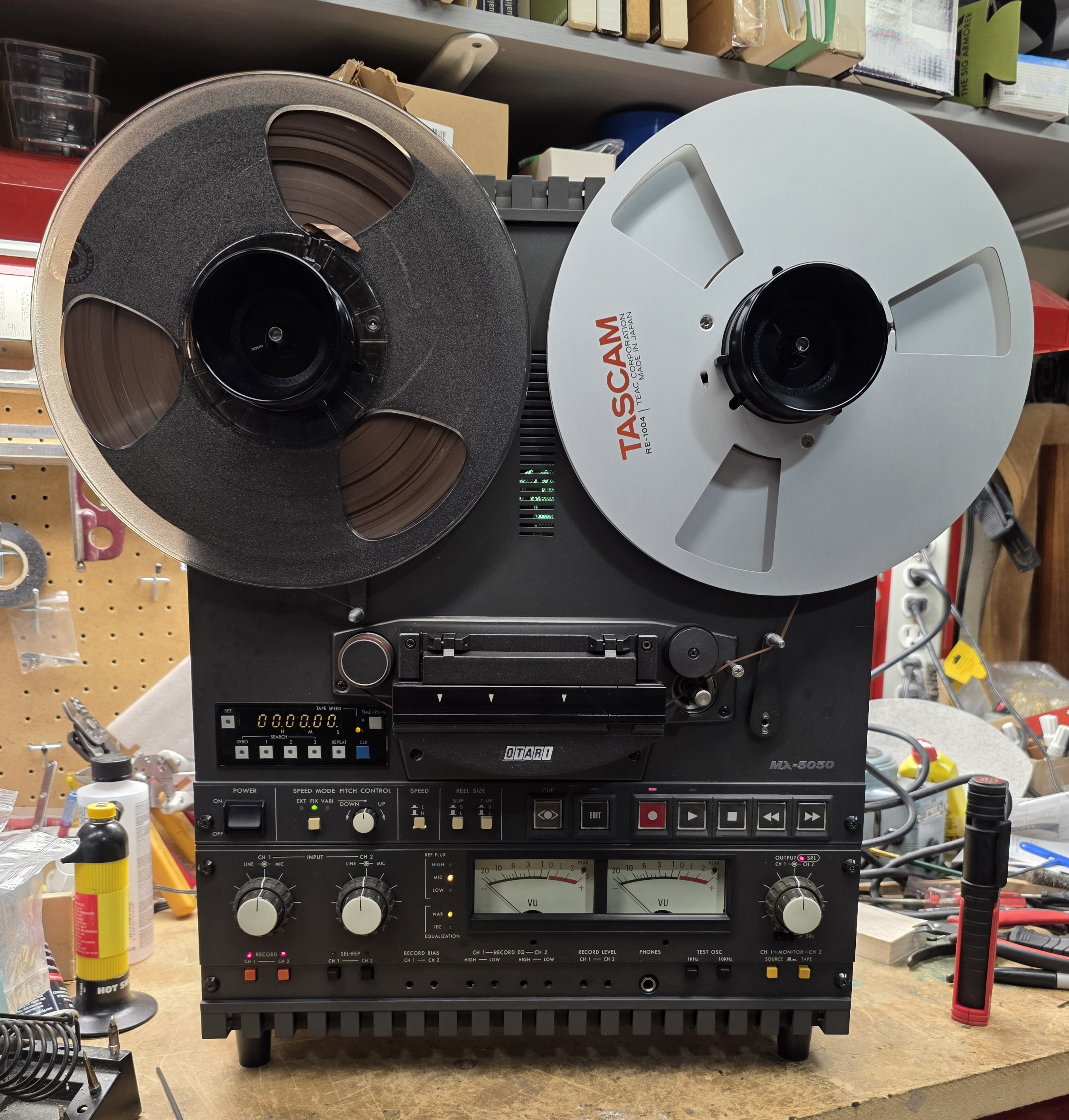
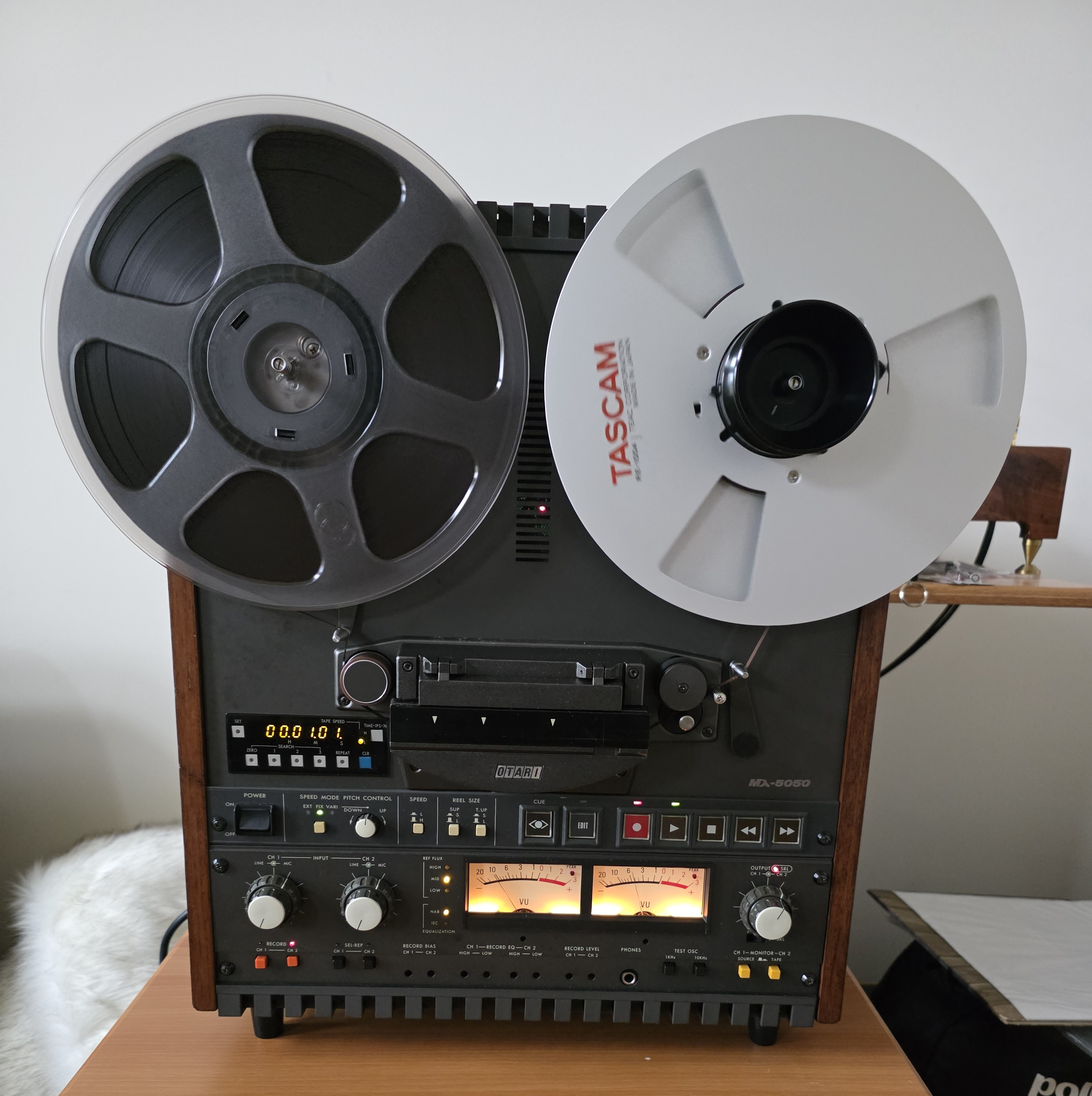
Got another one that needs some TLC. Otari MX5050 BIII-2. Born in 1995. It's a highly regarded commercial grade deck with significant upgrades over the previous BII. This one is a two track. 4 track playback was an option when purchased, but this one doesn't have it. (For $700-$900  I could add it with a good condition BII head block). 3.75, 7.5 and 15ips speeds. Switchable NAB/IEC EQ. More info about it later.
It was stored in a damp environment. We got some warm days here, 70 today, so I took advantage and did some refinishing. The rack mounts had some rust and corrosion. My phone was charging so I only have two pics from when the deck arrived last February. The flip up aluminum head cover also had some corrosion.
I found a decent paint match at Home Depot for the head cover, Behr Metallic Oil Rubbed Bronze. I purchased some Rustoleum Textured Black for the rack mounts but no joy, wouldn't spray. I didn't want to go back to Home Depot today so I used the bronze paint. First, I sprayed some Rustoleum Rust Reformer on the pitted areas of rack mount after sanding and wire brushing.
I cleaned the front up and will eventually start on servicing it.
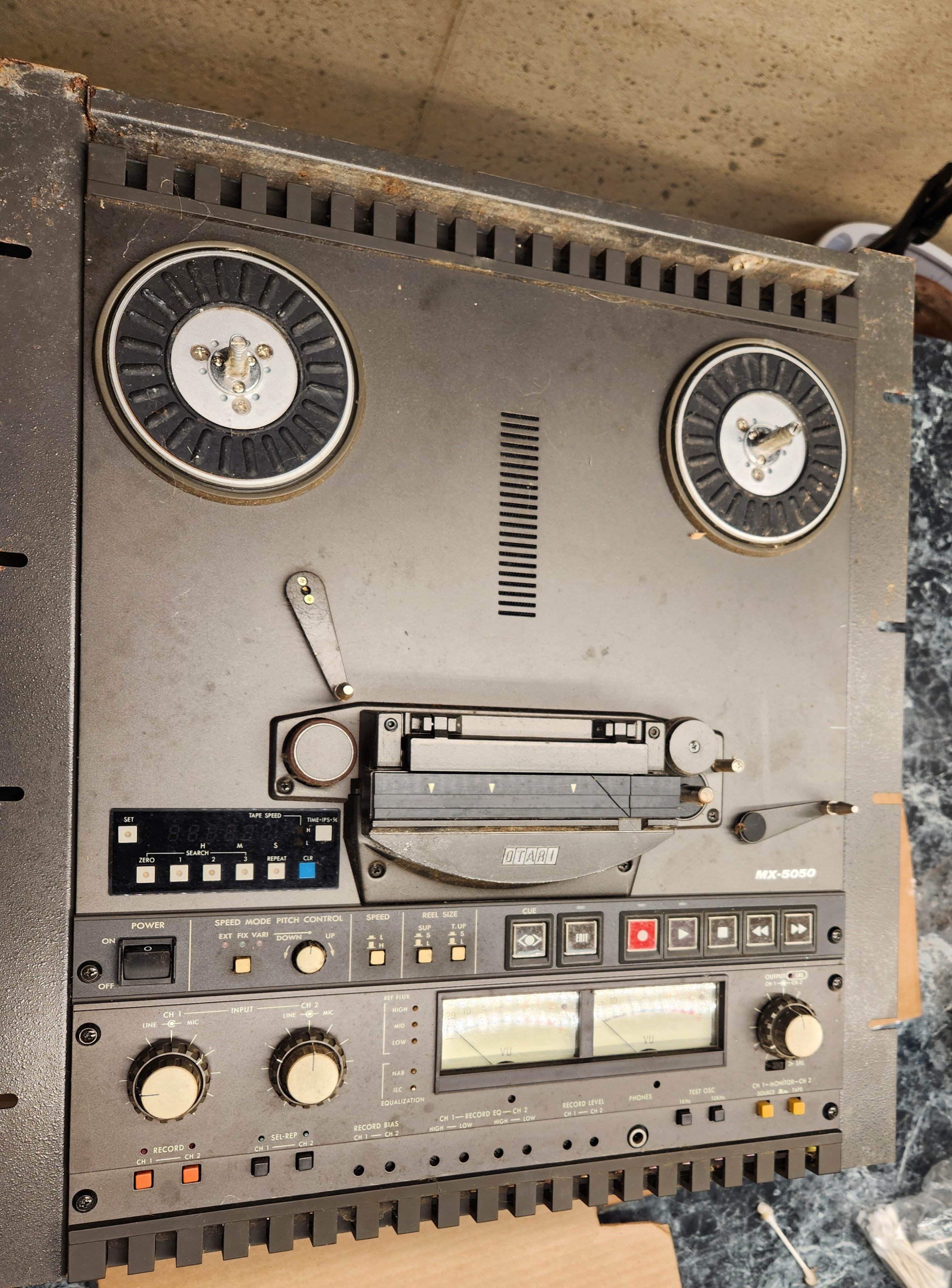
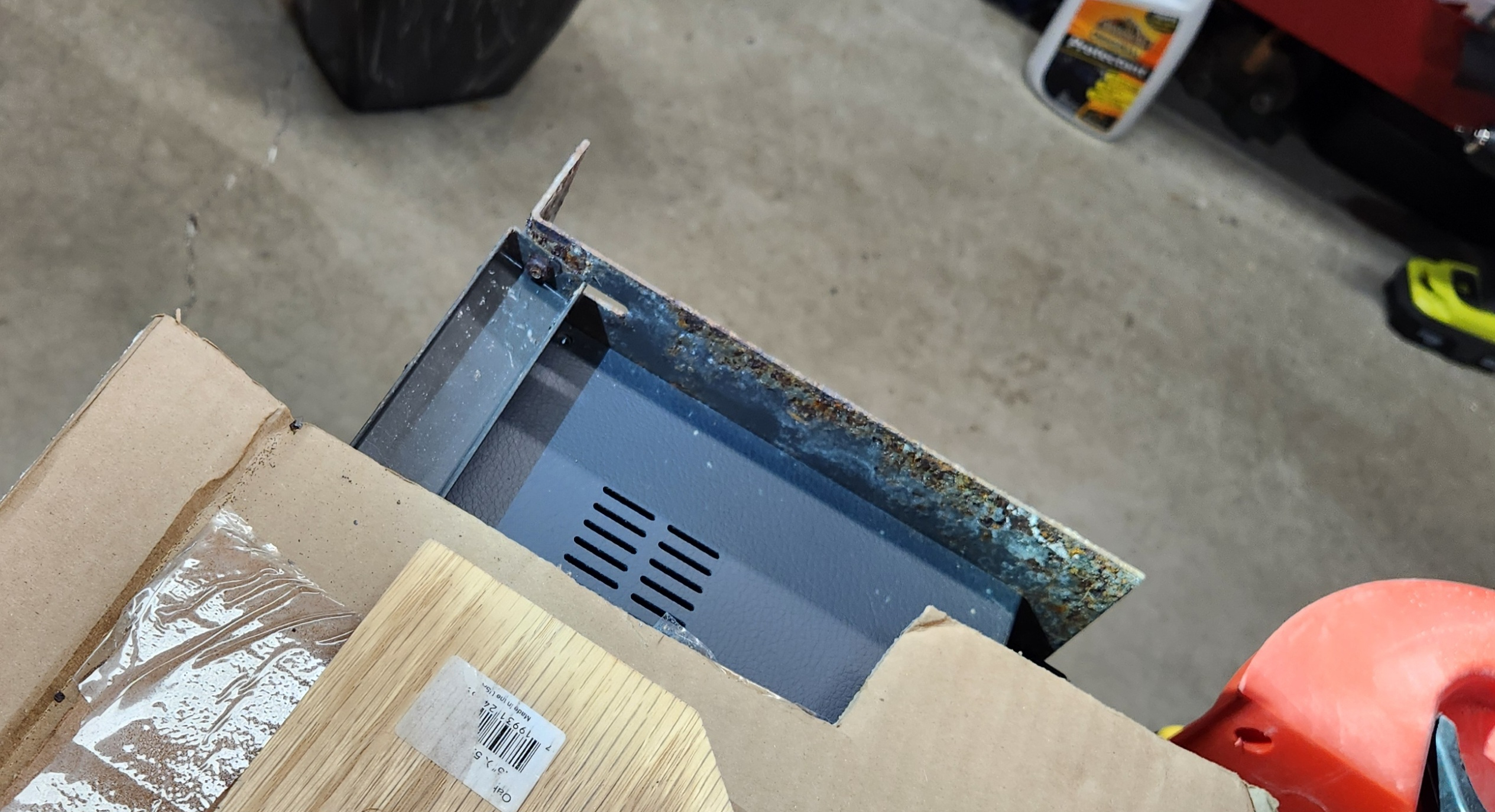
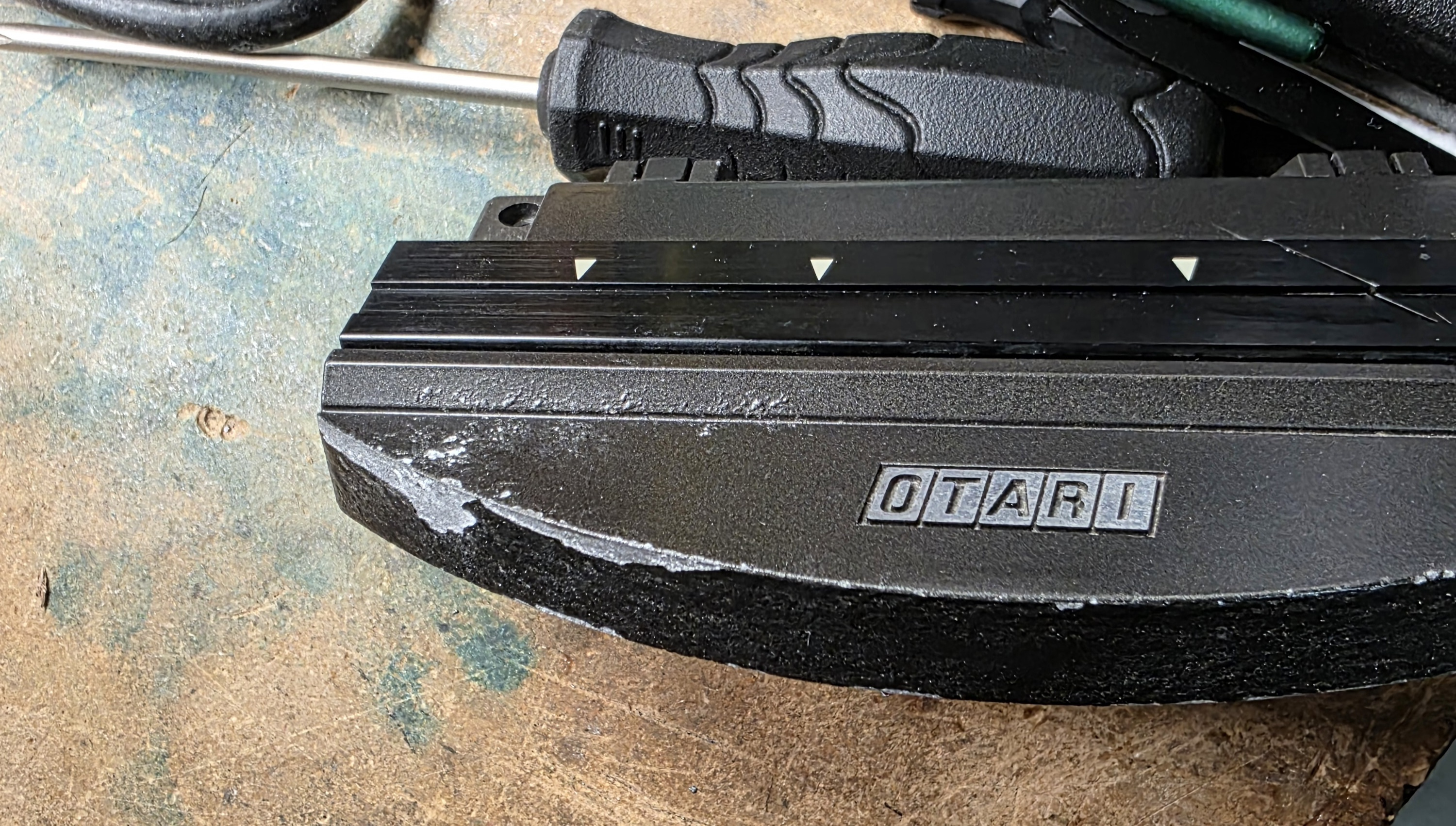
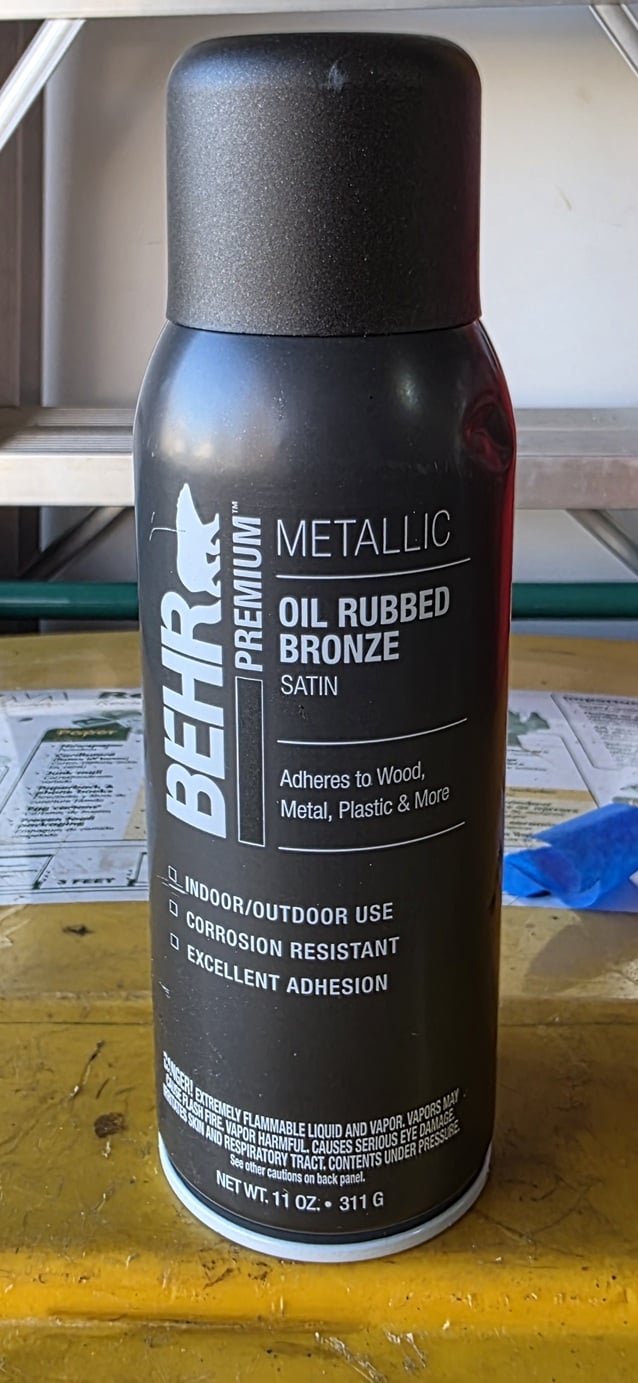
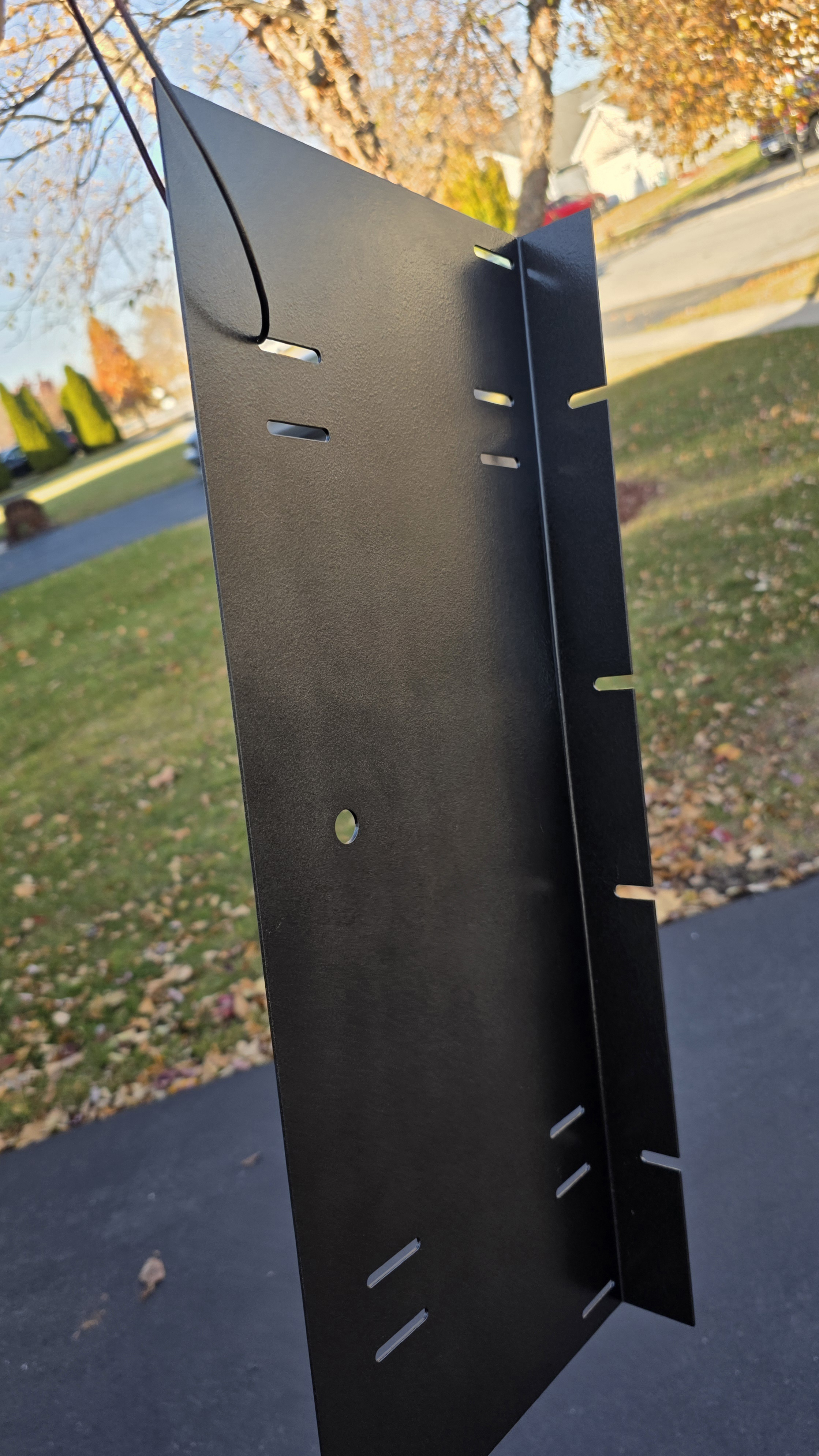
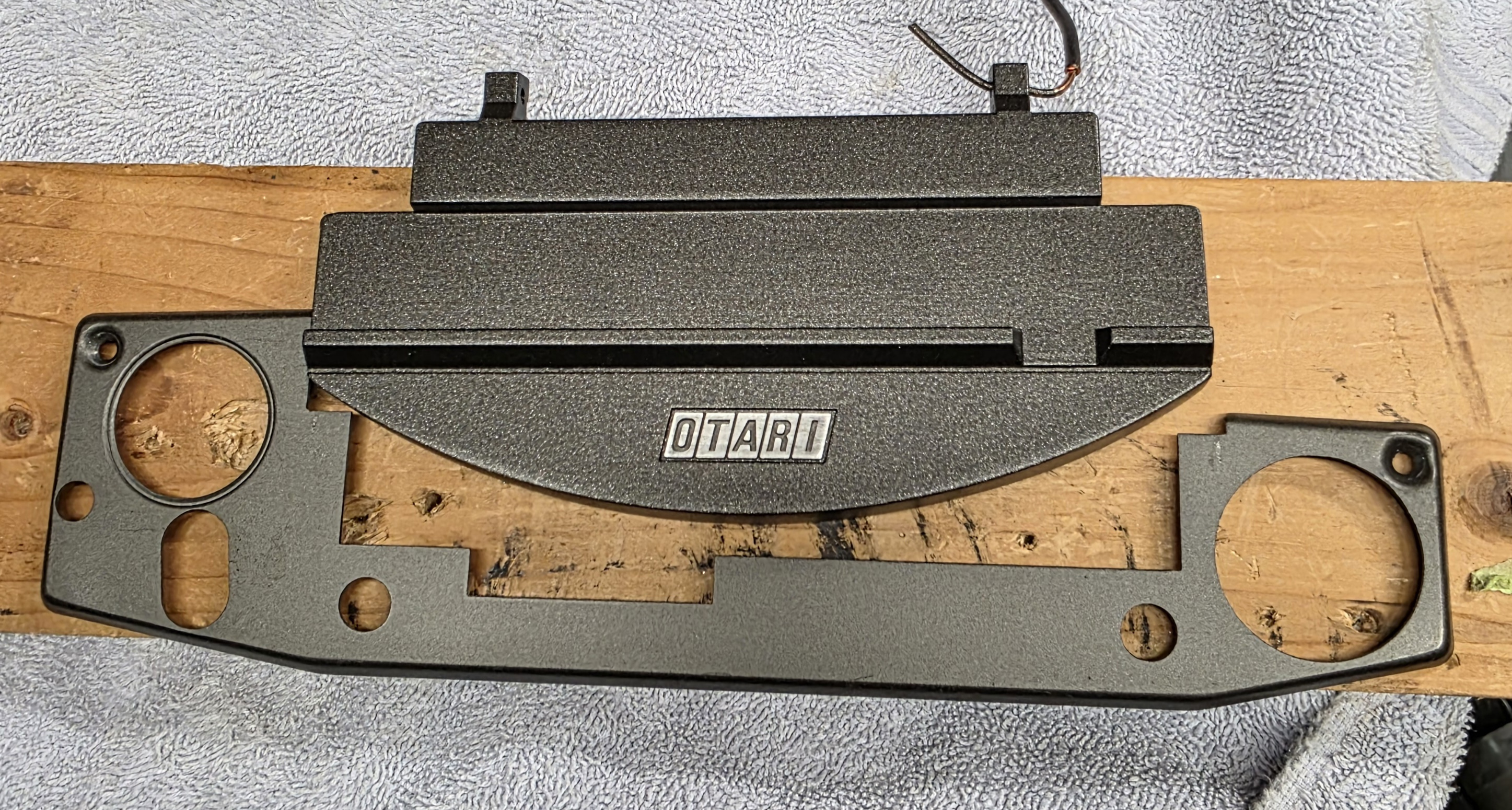
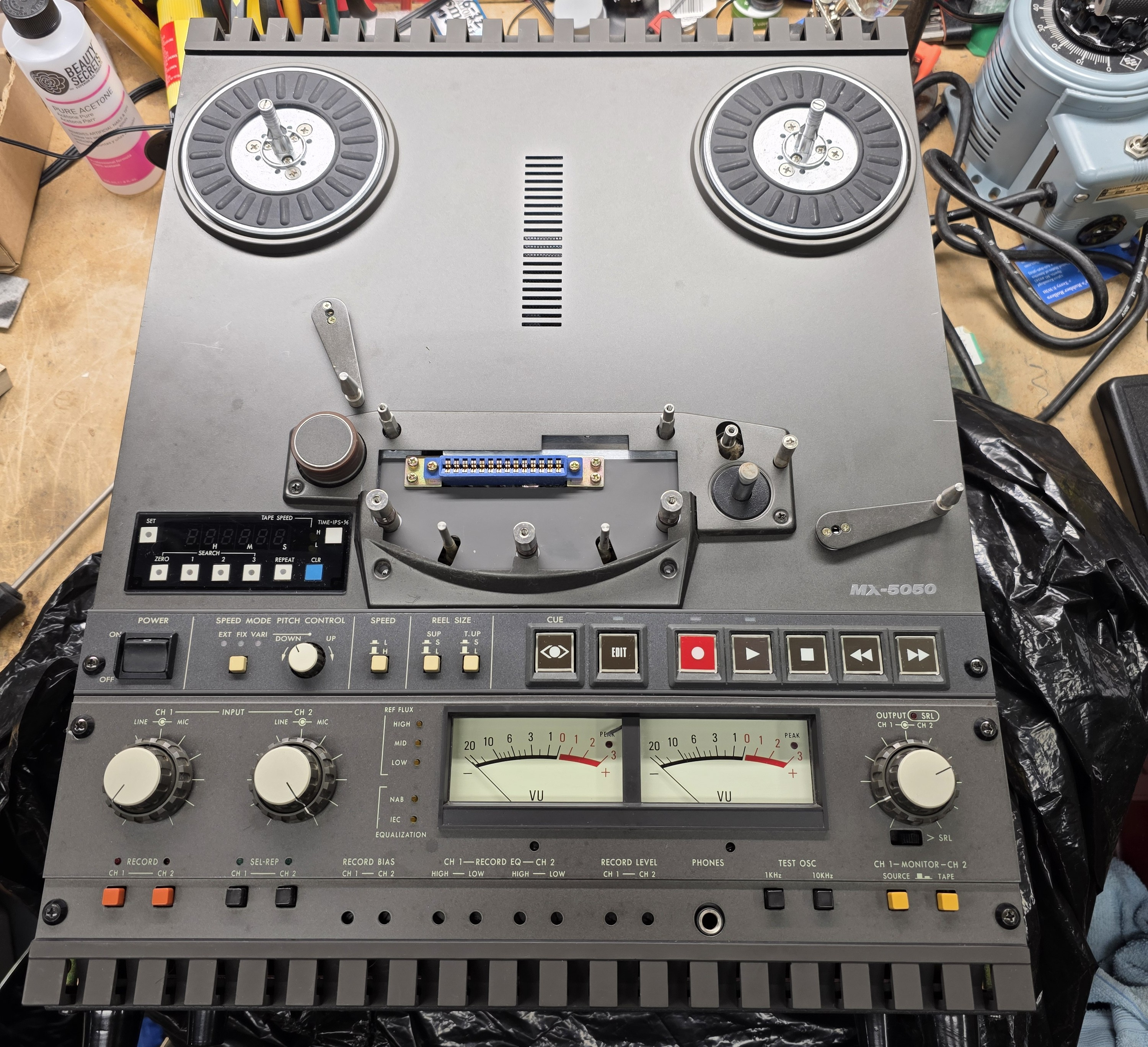
I could add it with a good condition BII head block). 3.75, 7.5 and 15ips speeds. Switchable NAB/IEC EQ. More info about it later.It was stored in a damp environment. We got some warm days here, 70 today, so I took advantage and did some refinishing. The rack mounts had some rust and corrosion. My phone was charging so I only have two pics from when the deck arrived last February. The flip up aluminum head cover also had some corrosion.
I found a decent paint match at Home Depot for the head cover, Behr Metallic Oil Rubbed Bronze. I purchased some Rustoleum Textured Black for the rack mounts but no joy, wouldn't spray. I didn't want to go back to Home Depot today so I used the bronze paint. First, I sprayed some Rustoleum Rust Reformer on the pitted areas of rack mount after sanding and wire brushing.
I cleaned the front up and will eventually start on servicing it.
Salk SoundScape 8's * Audio Research Reference 3 * Bottlehead Eros Phono * Park's Audio Budgie SUT * Krell KSA-250 * Harmonic Technology Pro 9+ * Signature Series Sonore Music Server w/Deux PS * Roon * Gustard R26 DAC / Singxer SU-6 DDC * Heavy Plinth Lenco L75 Idler Drive * AA MG-1 Linear Air Bearing Arm * AT33PTG/II & Denon 103R * Richard Gray 600S * NHT B-12d subs * GIK Acoustic Treatments * Sennheiser HD650 *
Comments
-
Godspeed, @SCompRacer! Looking great so far.
I like Otaris. They were tools -- not (typically) in the rarefied upper end of the audio ecosystem, but down in the trenches. Little radio stations, e.g. And they just slog(ged) along and did their jobs.
-
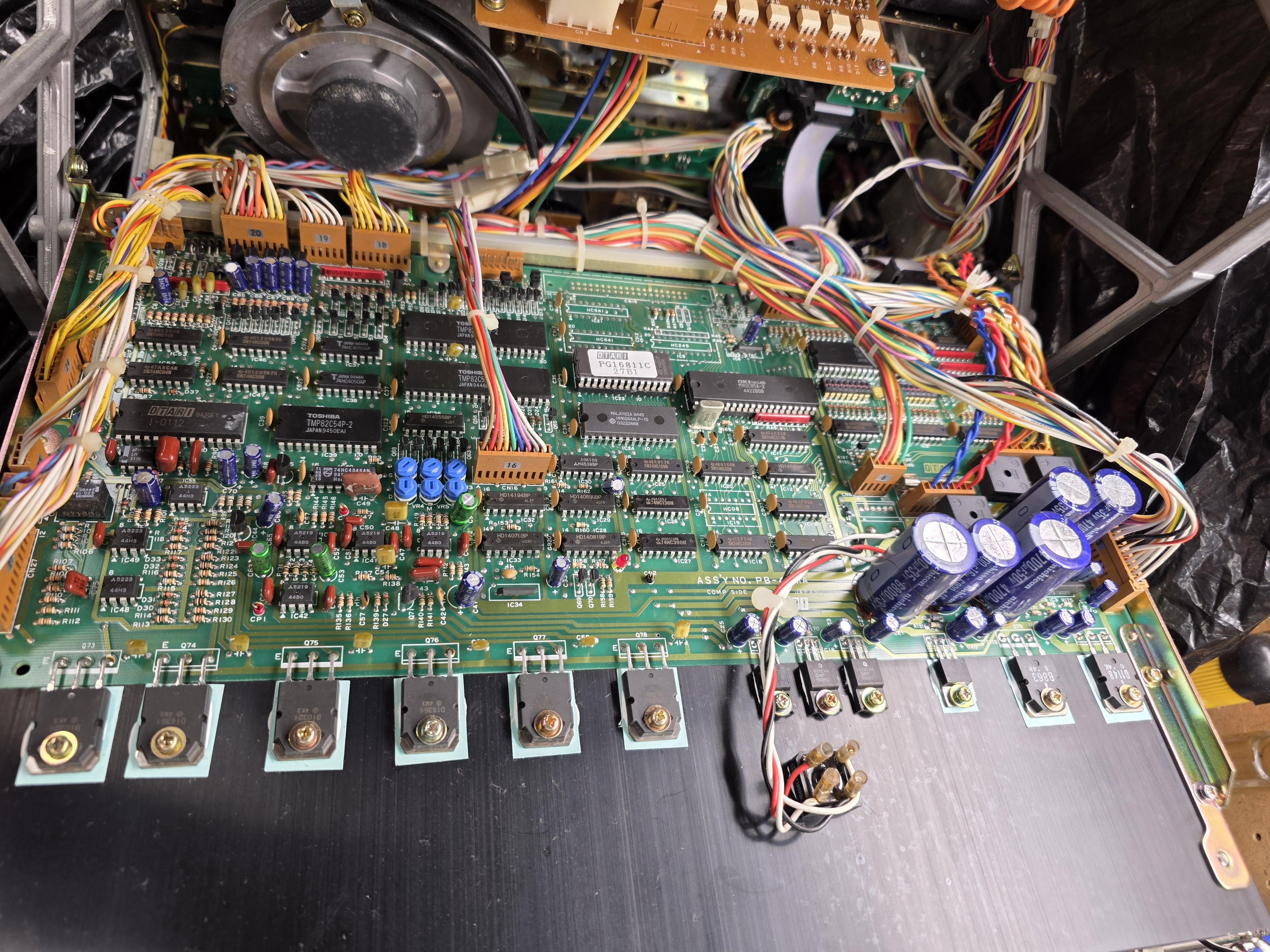
It is very well built and heavy. Boards swing out for easy service. One of the improvements over the BII, the BIII uses standard NAB hub adapters. It was in bagged isolation for near 9 months. There were some ugly spiders seen in the vents upon arrival. The PA spiders looked badder than my basement spiders.
 Upon reviewing pics I spotted another one above and between the heads.
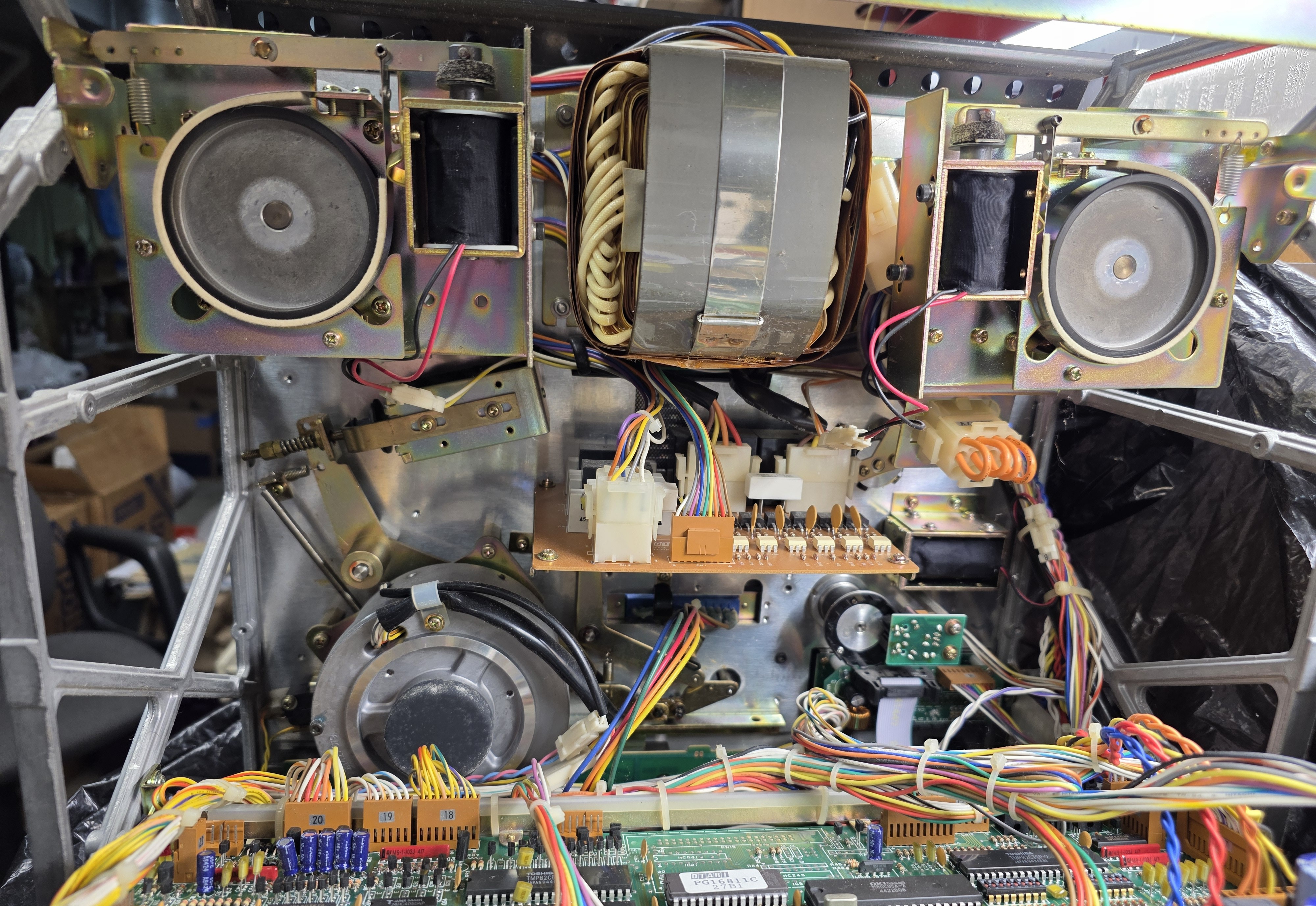
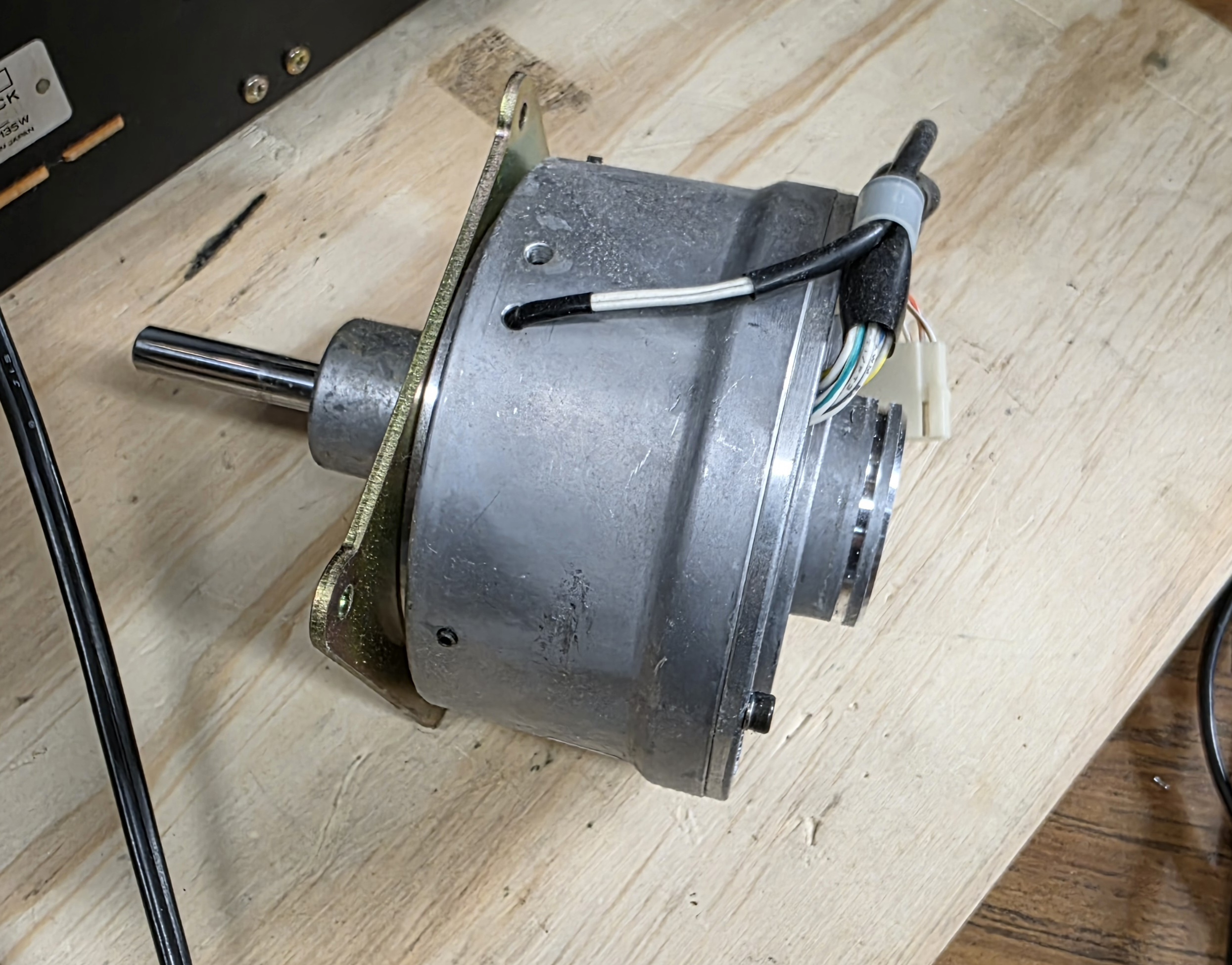
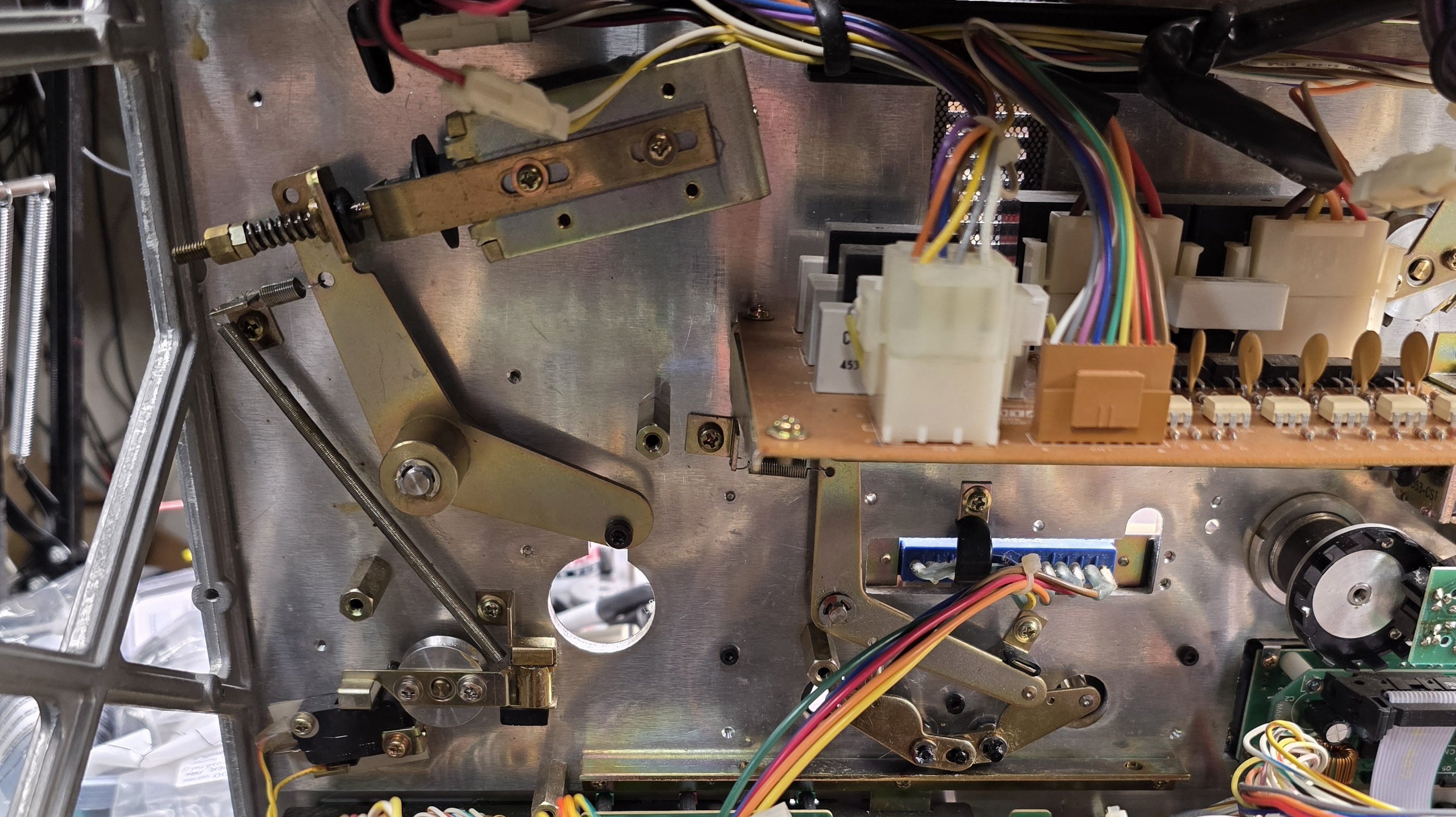
I removed capstan motor to service the pinch roller and tape lifter linkage. The lifters were sticking. All Nichicon caps including some Gold.
"The Otari BIII upgrades over the BII primarily in the tape transport, which features a smarter, logic-based control system for smoother and quieter tape handling, and includes soft-touch buttons instead of the BII's electromechanical ones. Other improvements include a Parallel I/O interface, locking spindles, and improved NAB large reel clamps."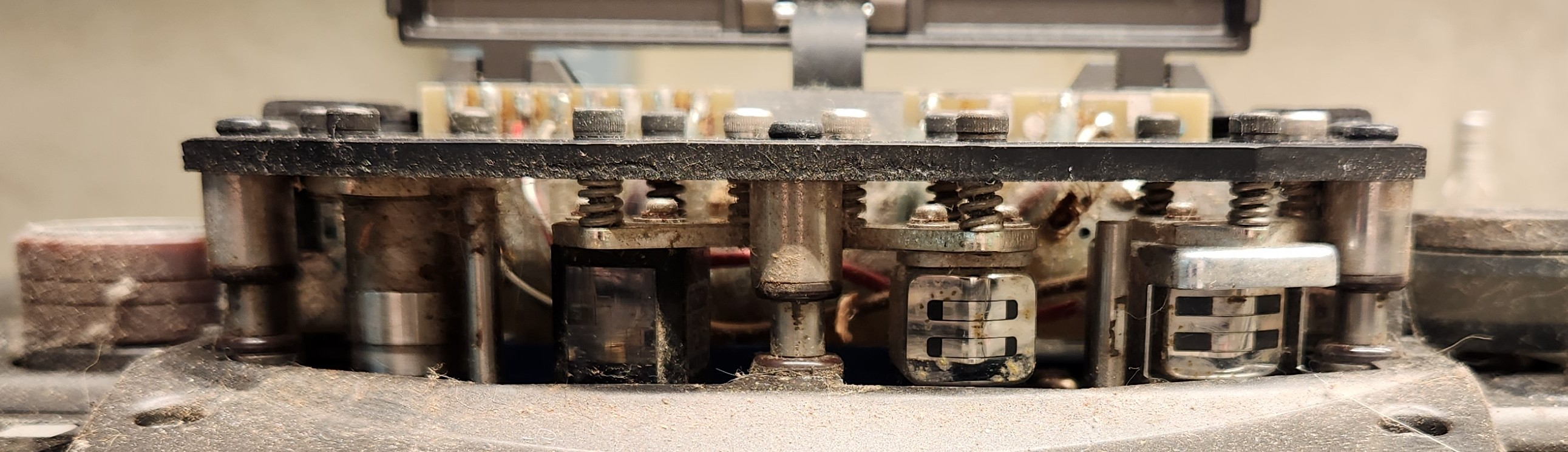
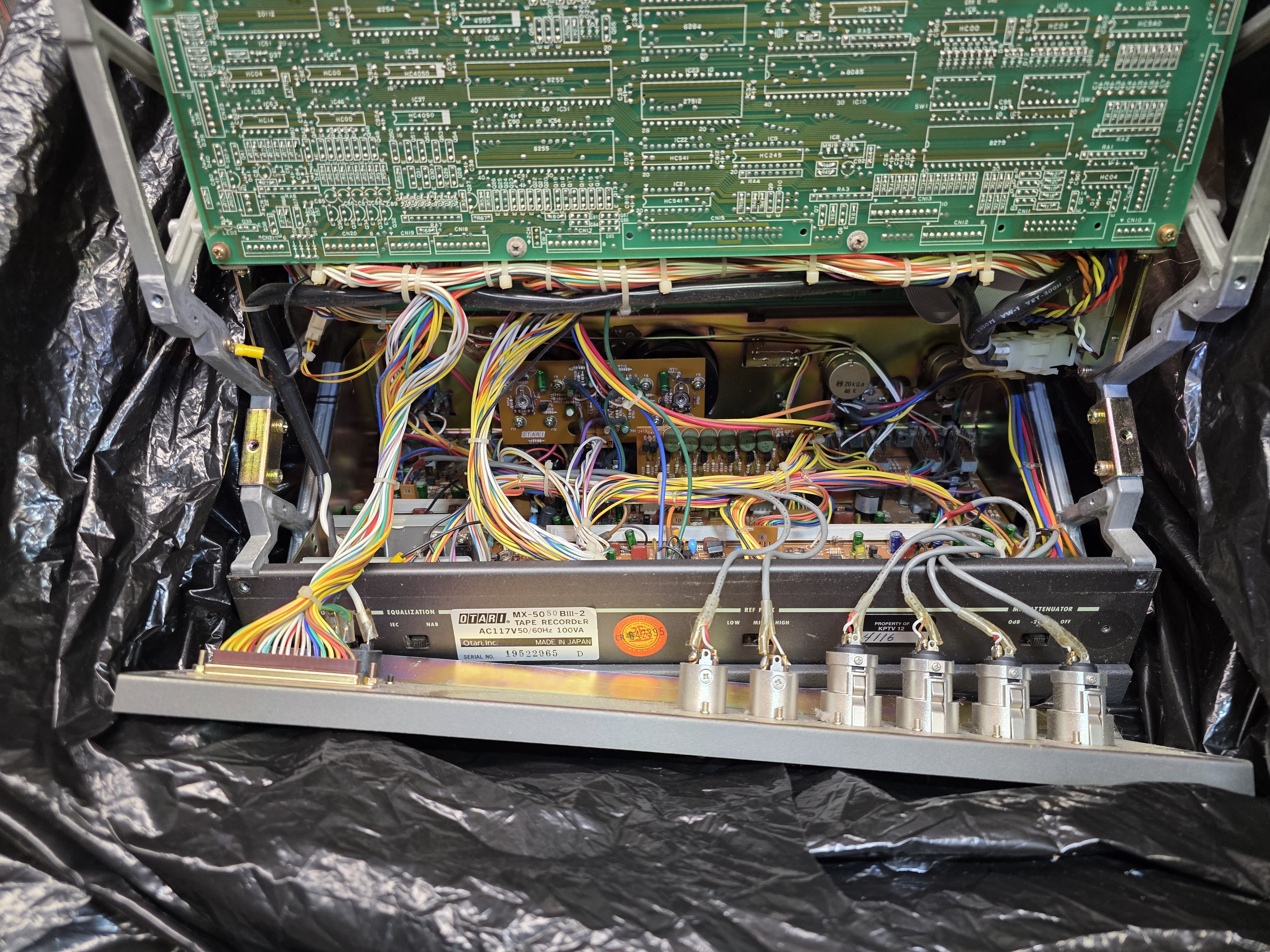
Balanced in and out.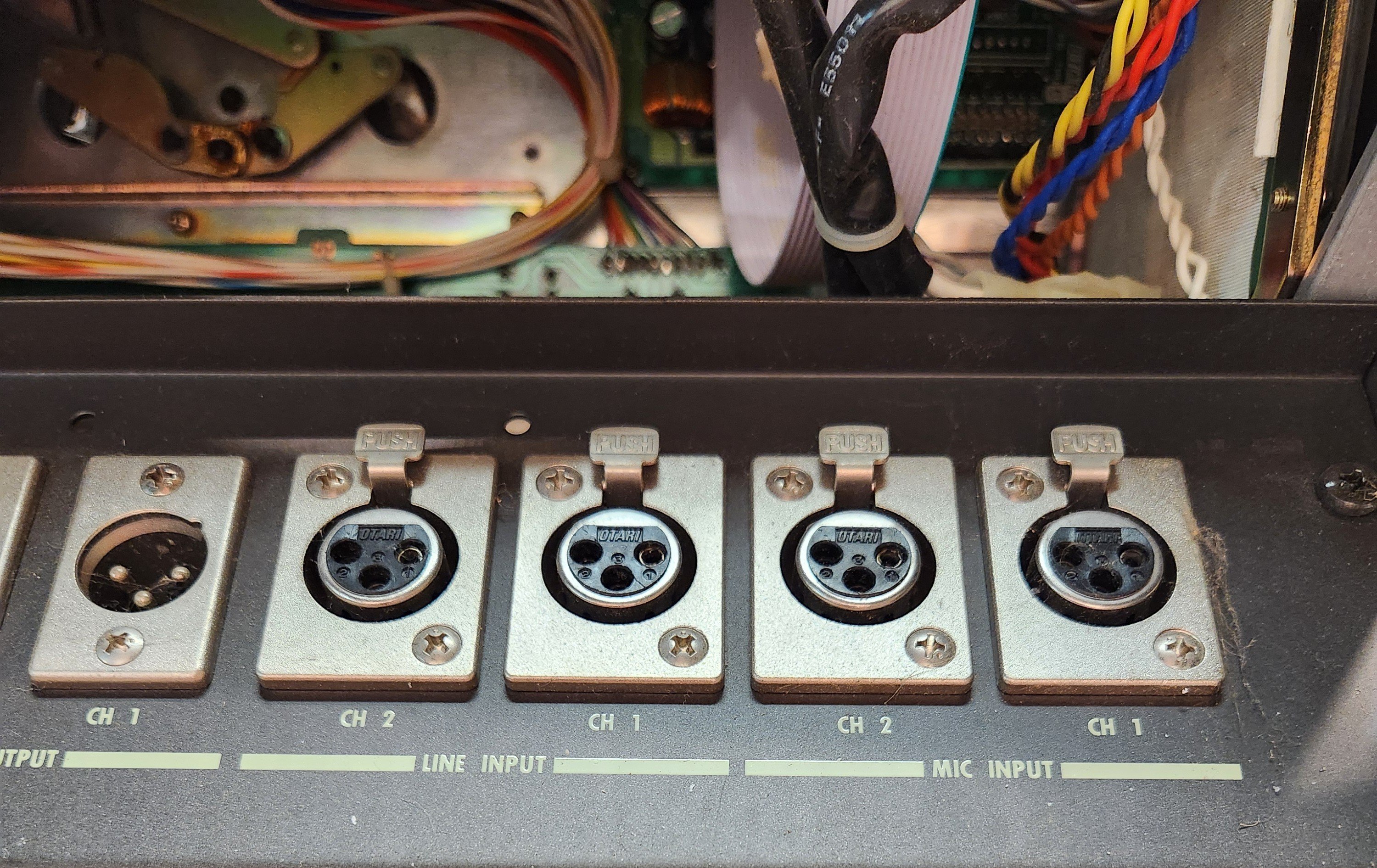
Salk SoundScape 8's * Audio Research Reference 3 * Bottlehead Eros Phono * Park's Audio Budgie SUT * Krell KSA-250 * Harmonic Technology Pro 9+ * Signature Series Sonore Music Server w/Deux PS * Roon * Gustard R26 DAC / Singxer SU-6 DDC * Heavy Plinth Lenco L75 Idler Drive * AA MG-1 Linear Air Bearing Arm * AT33PTG/II & Denon 103R * Richard Gray 600S * NHT B-12d subs * GIK Acoustic Treatments * Sennheiser HD650 * -
Yeah, the adaptors from the BII are a pain. I have four of 'em (maybe six... I forget) and all have some issues but they will work (even with the deck upright).
Typical pointless, egocentric aside follows:
I should've kept one of the two carts that came with the three I acquired from a local radio station... but I knew a couple of guys who had more legitimate uses for the carts than did I, so I suppressed my only child greediness and gave 'em away (with the decks that were on them).
-
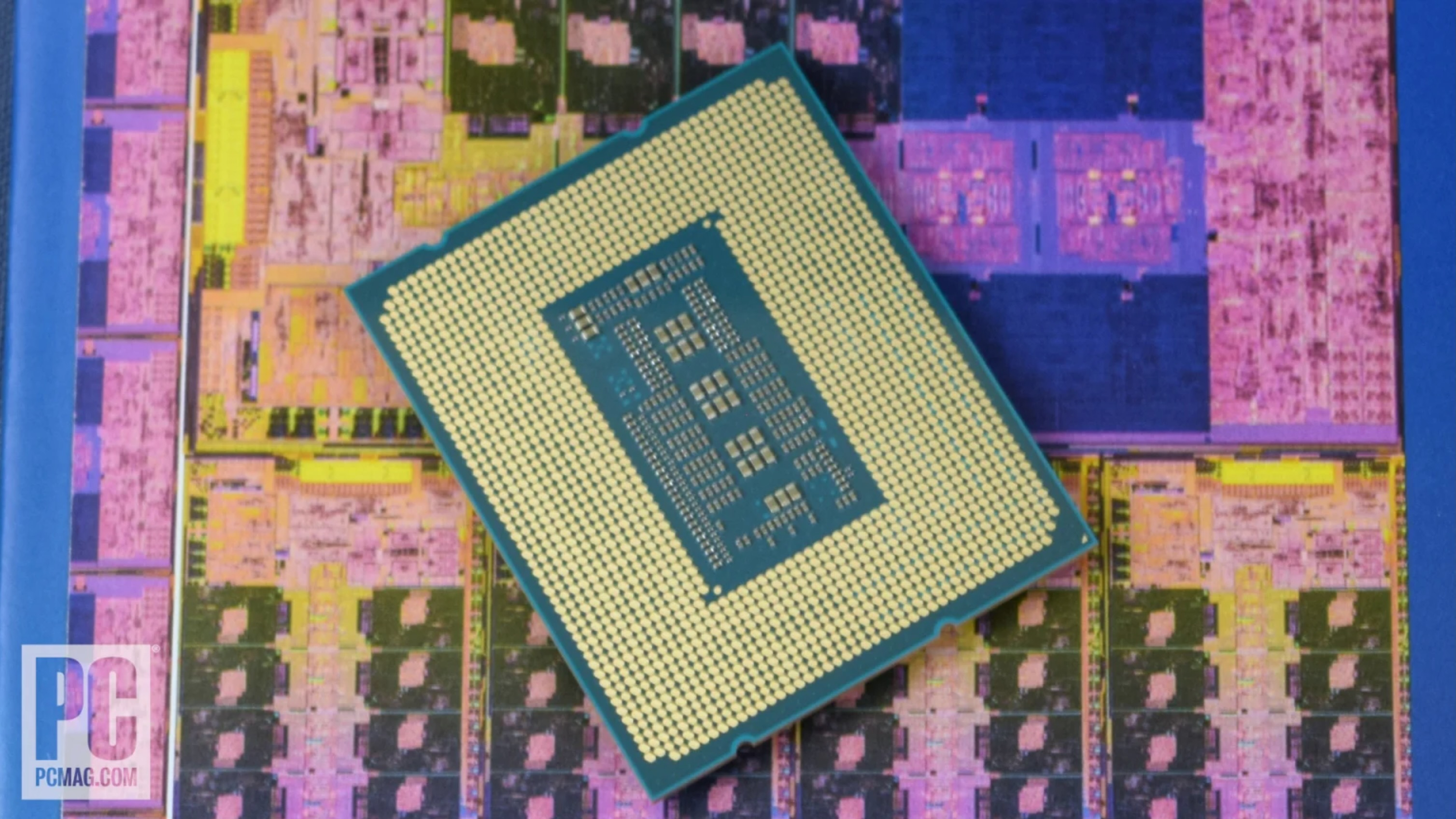
Holy integrated circuits batman
-
Yeah, but ICs in those days were rather more modest on a per-chip basis than they are nowadays.

-
Several year ago I made a really dumb move by not buying an Otari from a friend who only wanted a couple of hundred for his. Similar to when, many years ago, I turned down an offer for a free Revox G36. I was a pig headed Sony fan and sniffed at it.
Anybody have a hot tub time machine they're not using? -
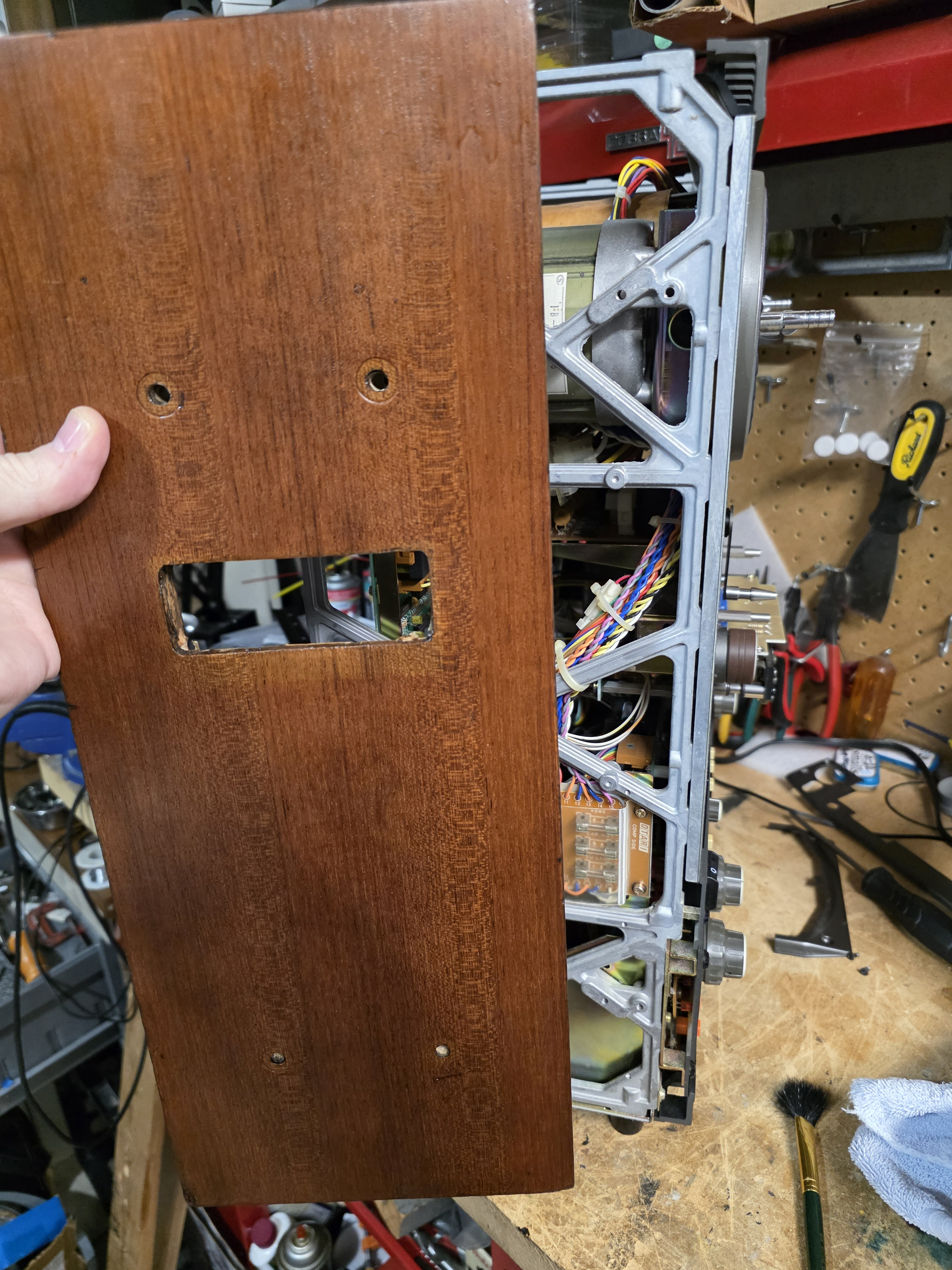
While it was in isolation I bought some inexpensive wood sides for a MX5050. They were rough, Aaron called them firewood. I did a half fast repair on them only to find mounting holes don't match up. Handles were removed to repair them. I sure wouldn't lift it with my fingers in them shallow pockets.
Salk SoundScape 8's * Audio Research Reference 3 * Bottlehead Eros Phono * Park's Audio Budgie SUT * Krell KSA-250 * Harmonic Technology Pro 9+ * Signature Series Sonore Music Server w/Deux PS * Roon * Gustard R26 DAC / Singxer SU-6 DDC * Heavy Plinth Lenco L75 Idler Drive * AA MG-1 Linear Air Bearing Arm * AT33PTG/II & Denon 103R * Richard Gray 600S * NHT B-12d subs * GIK Acoustic Treatments * Sennheiser HD650 * -
I'm amazed how clean it is inside. Just some single spider webs here and there. While on it's back, remove bottom cover and two face panel screws and lower board pulls out and folds down. Some narrows strips of rolled paper towels were placed alongside switches to catch DeOxit that runs out. After application and a soak, they are repeatedly actuated. Then I used canned air to blow them out. There were small square holes to dribble DeOxit in.
I removed the potentiometers for a more limited, controlled application of DeOxit F5 fader. I didn't want to wash any grease out of the shafts.
I removed the narrow control panel for a controlled DeOxit application to the switches.
I have some Otari spec capstan oil ordered. Some say oil is oil, Otari techs tell me to get the real deal. The direct drive capstan motor has a rear ball bearing while the drive end has a bushing.
I did a variac power up, all looks good. Just did some basic play, FF, Fast Rewind. I have no two track tapes and I don't want to test record until I get the capstan oil.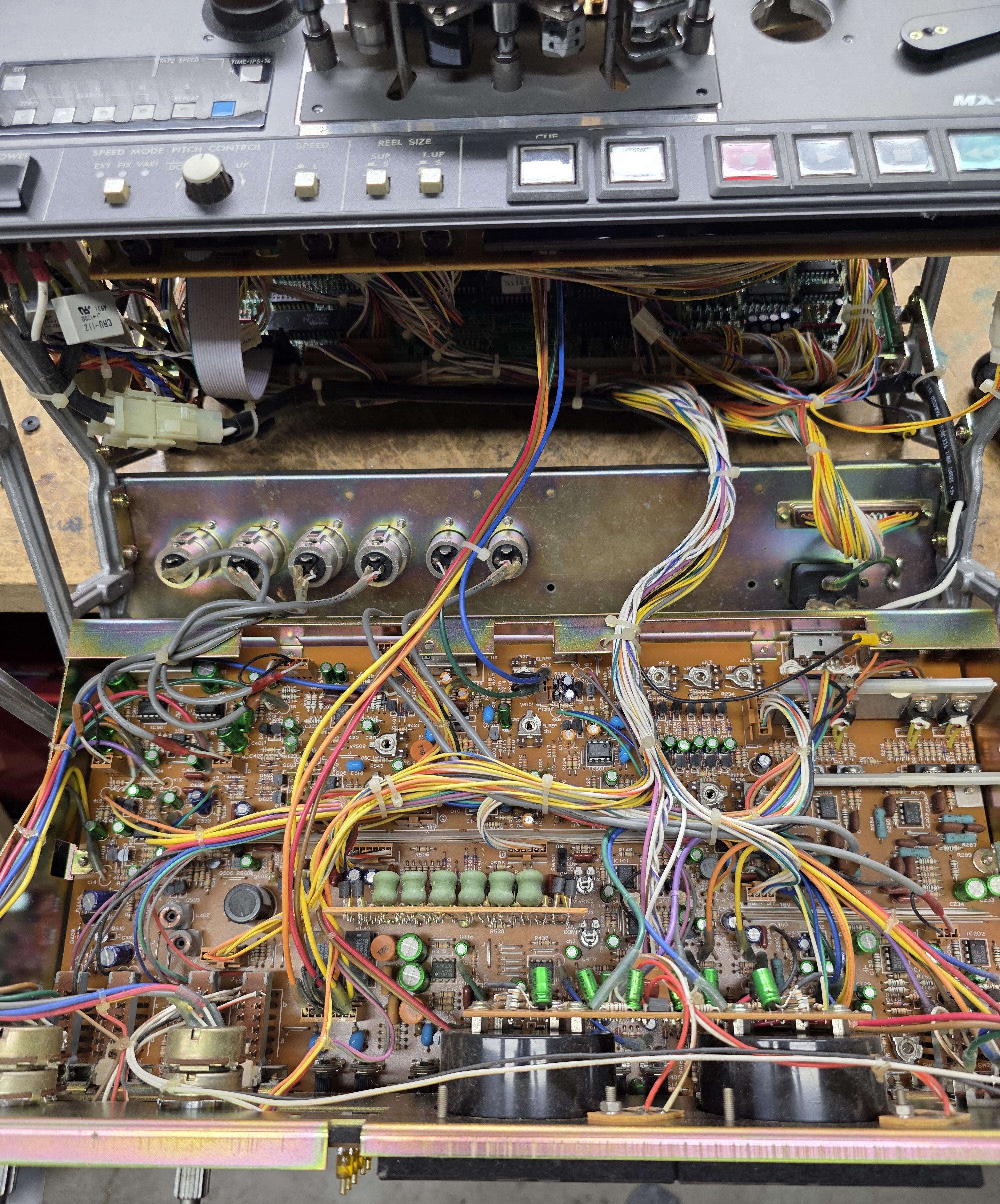
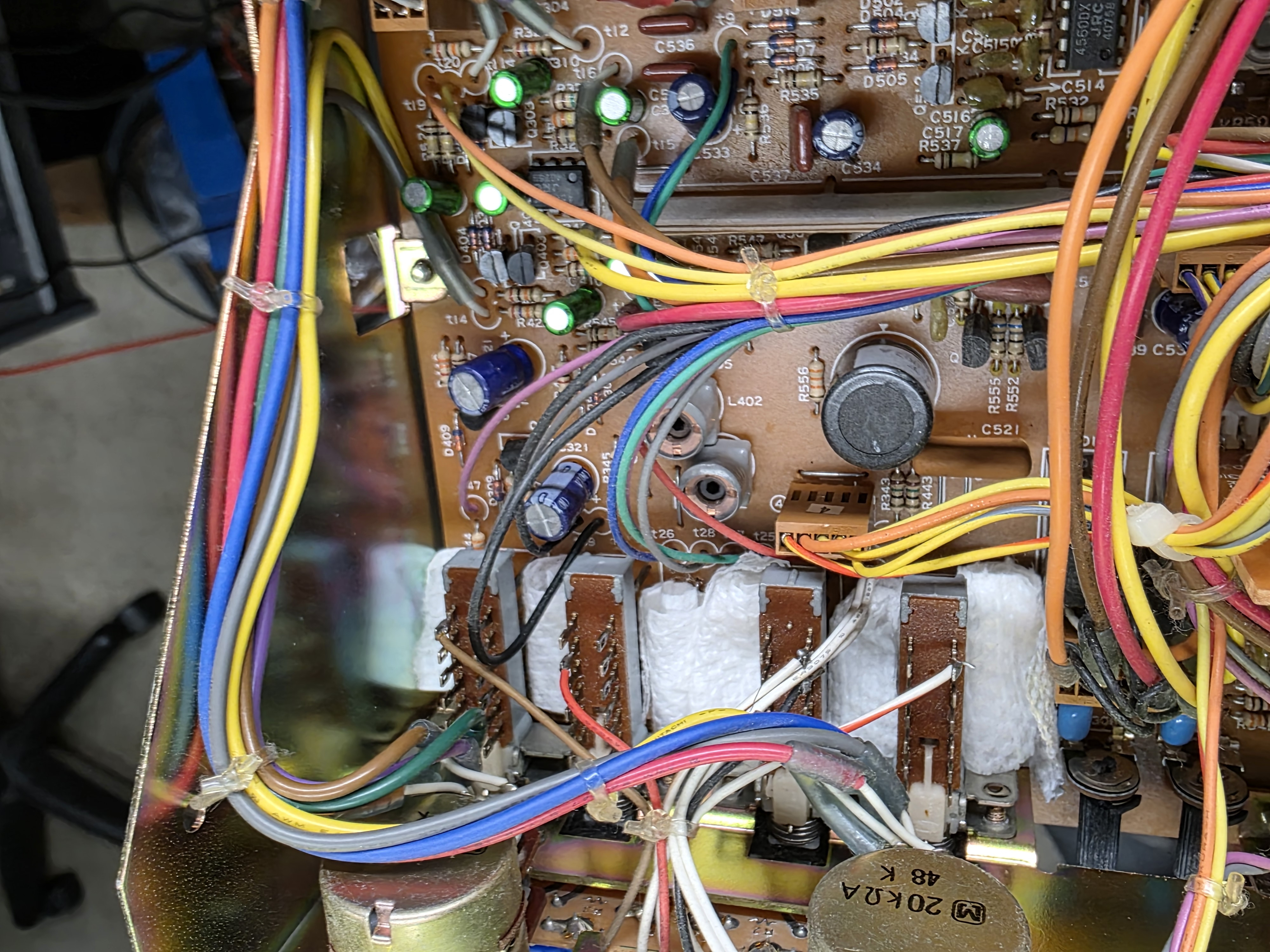
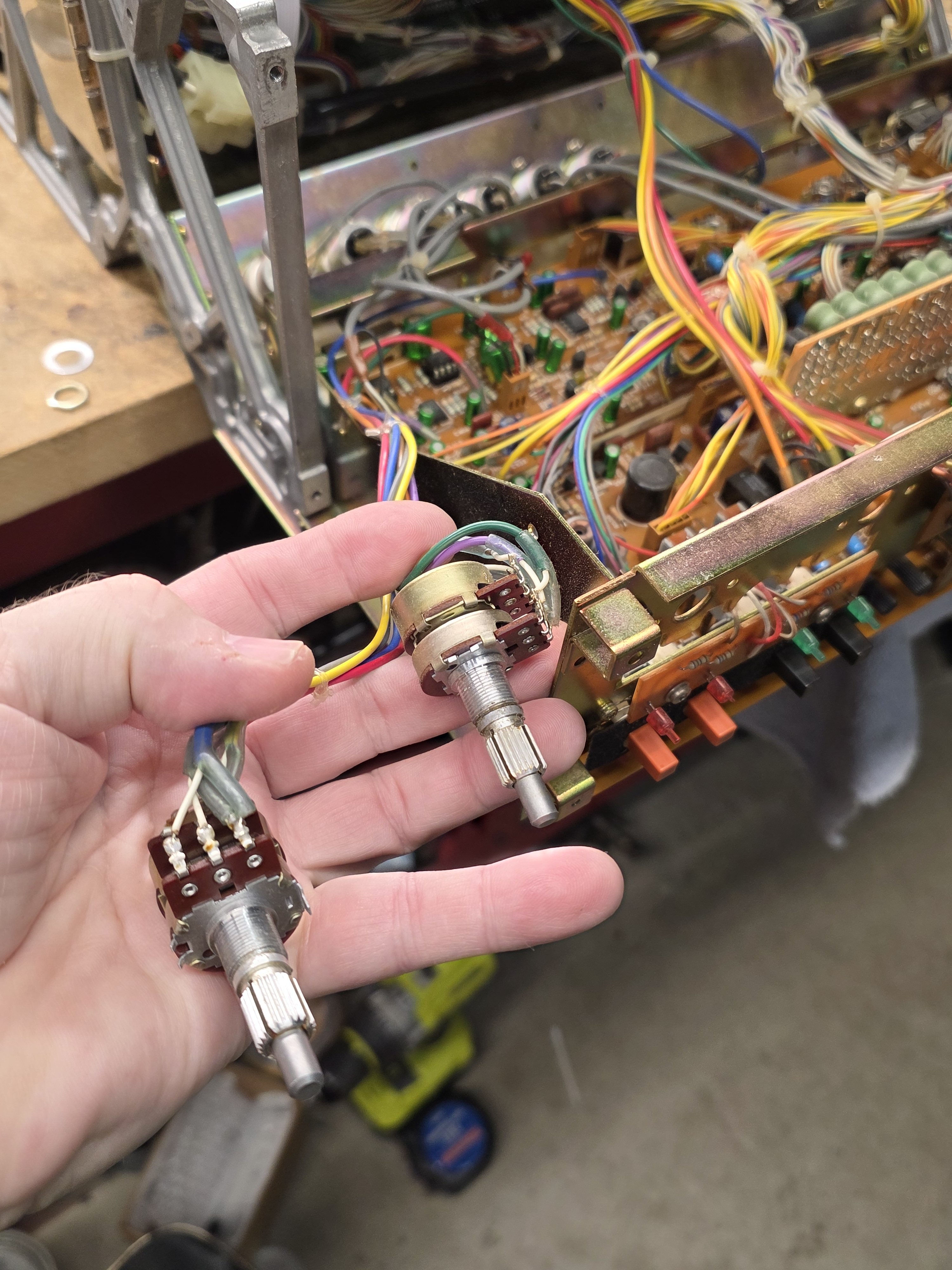
Just the four push buttons on left that stick out were cleaned. The speed encoder was sealed.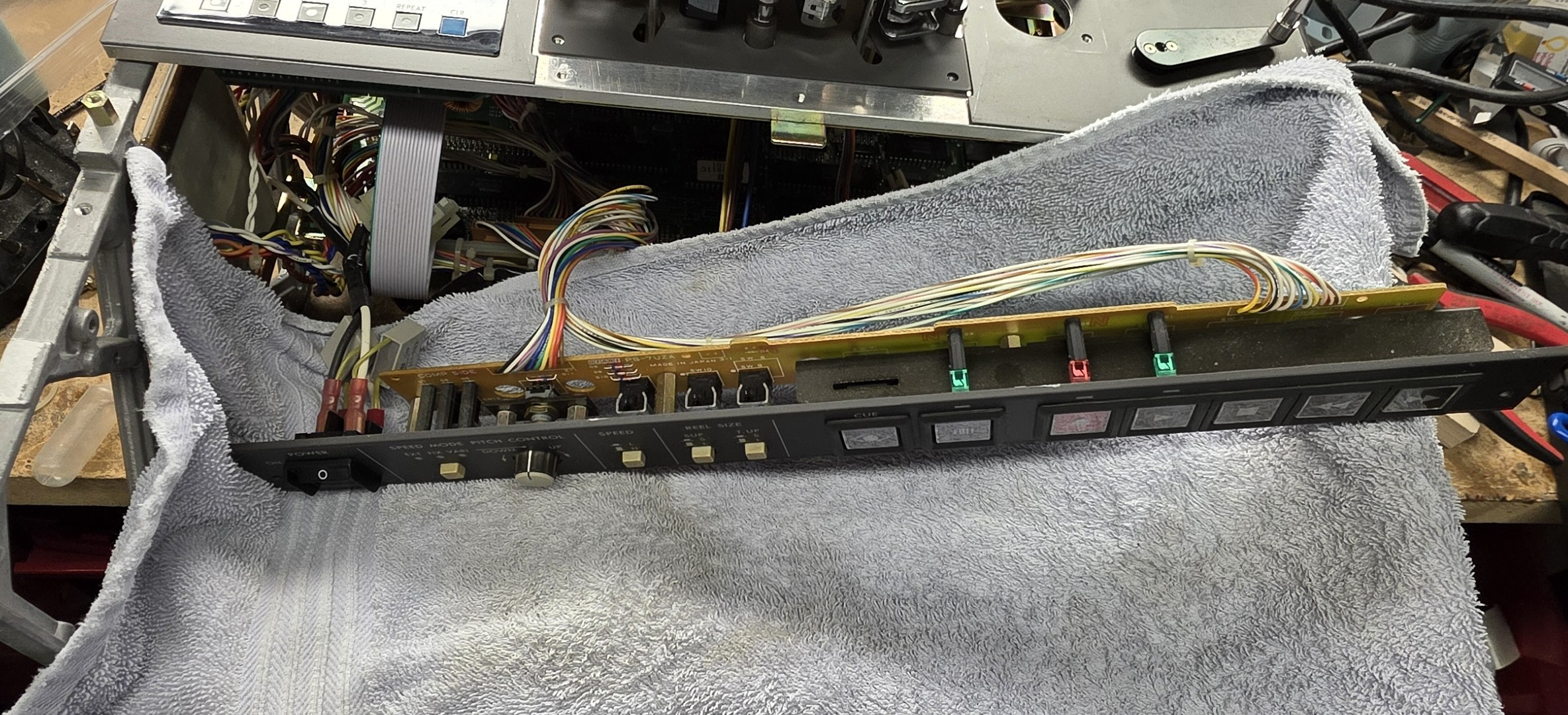
Salk SoundScape 8's * Audio Research Reference 3 * Bottlehead Eros Phono * Park's Audio Budgie SUT * Krell KSA-250 * Harmonic Technology Pro 9+ * Signature Series Sonore Music Server w/Deux PS * Roon * Gustard R26 DAC / Singxer SU-6 DDC * Heavy Plinth Lenco L75 Idler Drive * AA MG-1 Linear Air Bearing Arm * AT33PTG/II & Denon 103R * Richard Gray 600S * NHT B-12d subs * GIK Acoustic Treatments * Sennheiser HD650 * -
-
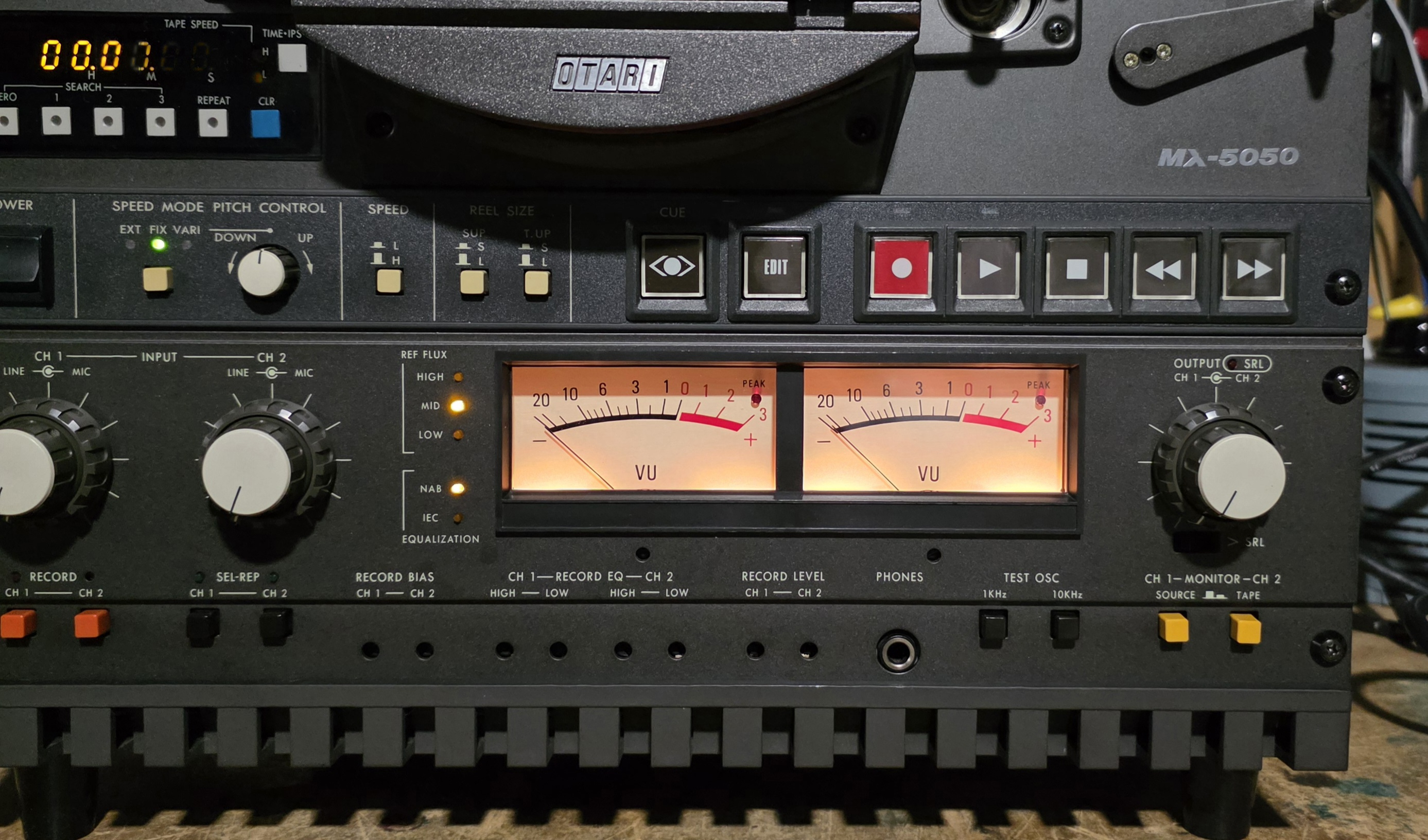
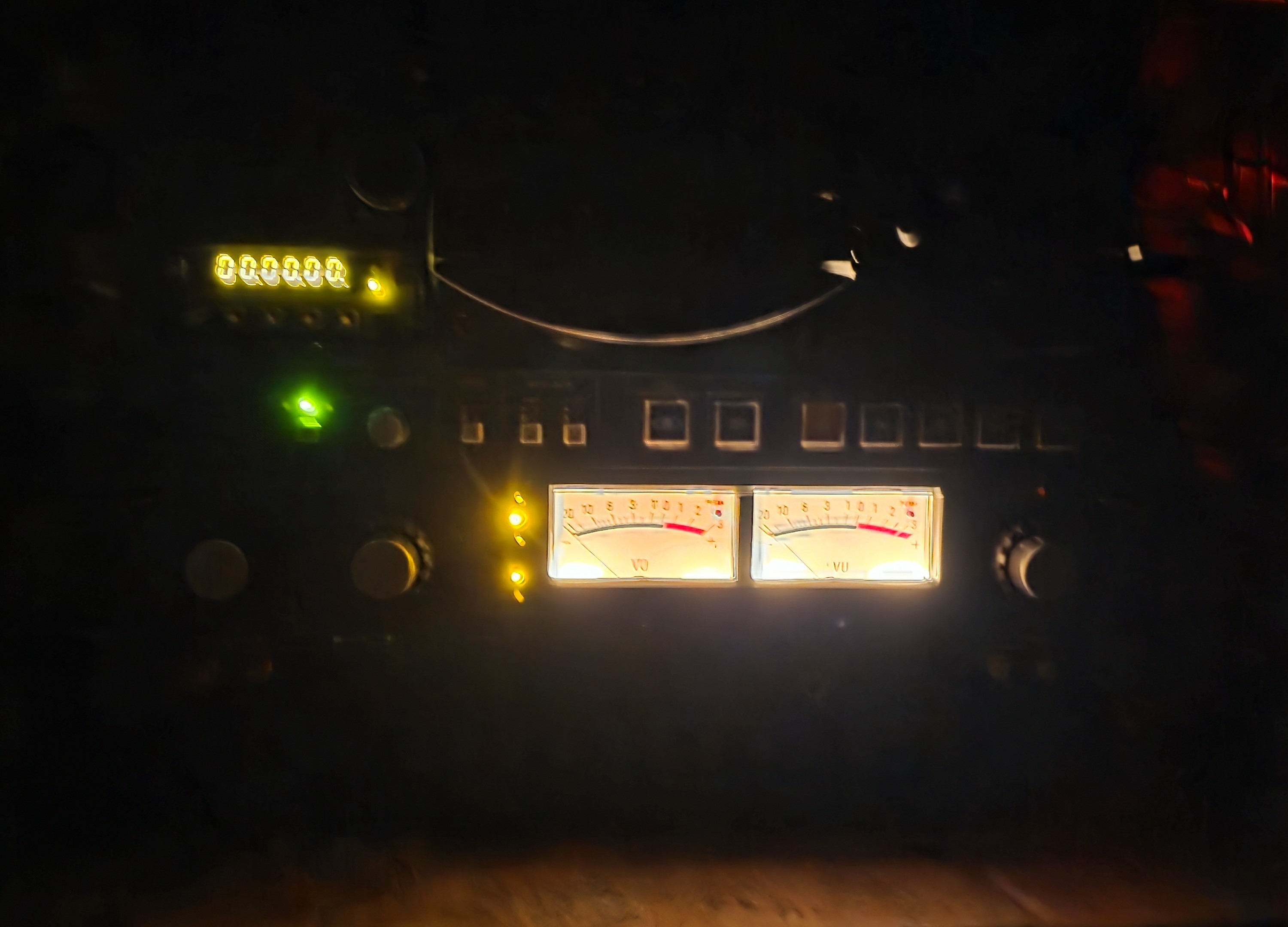
Still await the capstan oil but the VU meter bulbs arrived. OEM are frosted. Frosted are scarce and when found, sellers typically ask ~$15 to $25 each. I purchased five inexpensive clear for $14 shipped. Too cold outside for etching chemicals so I sanded them a bit to reduce the glare.
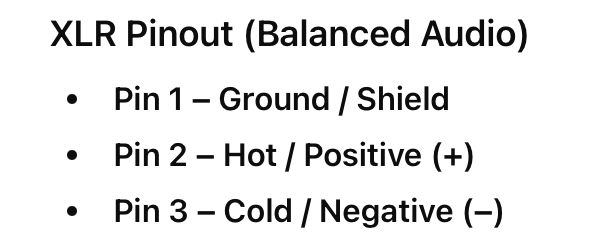
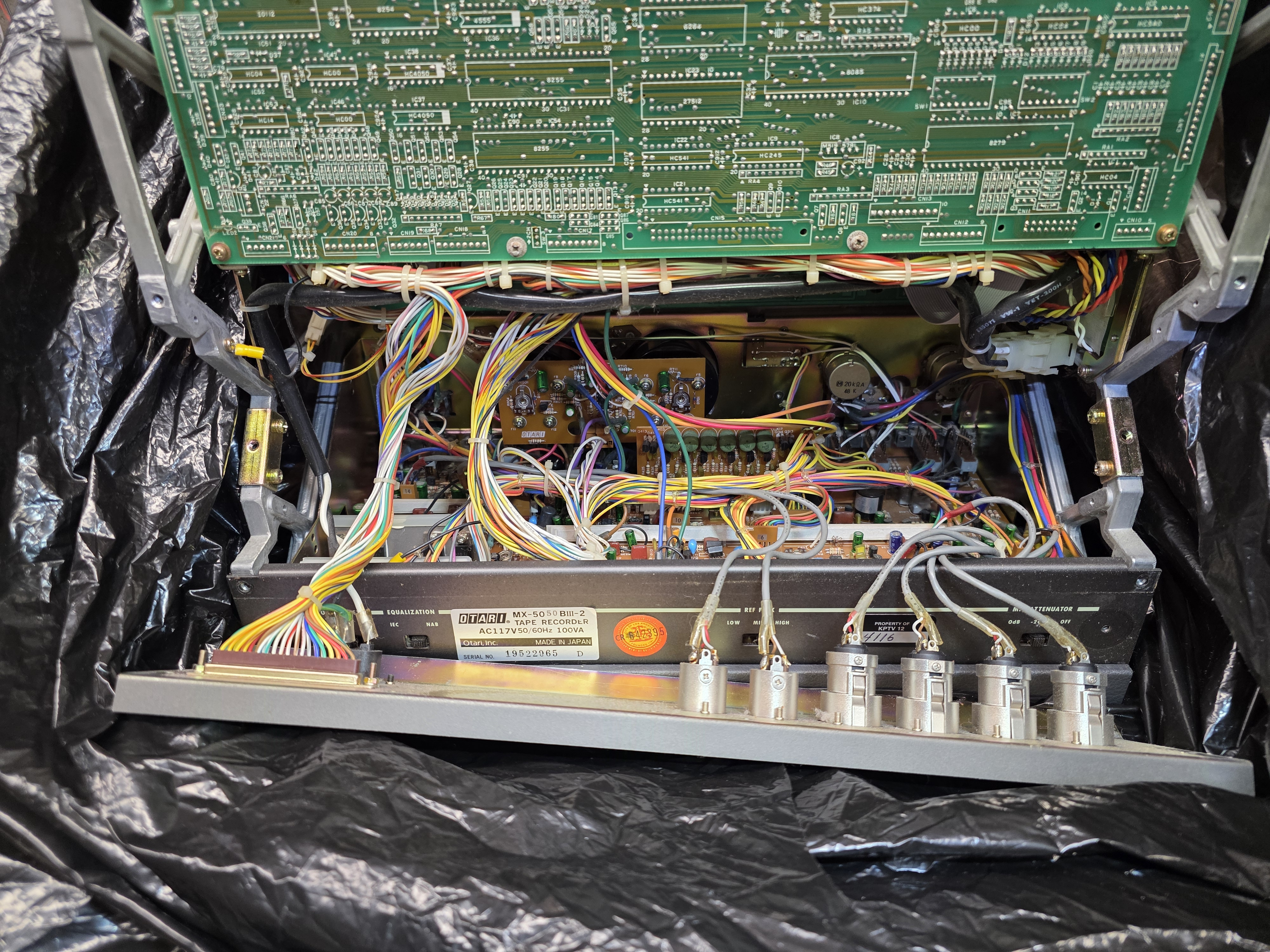
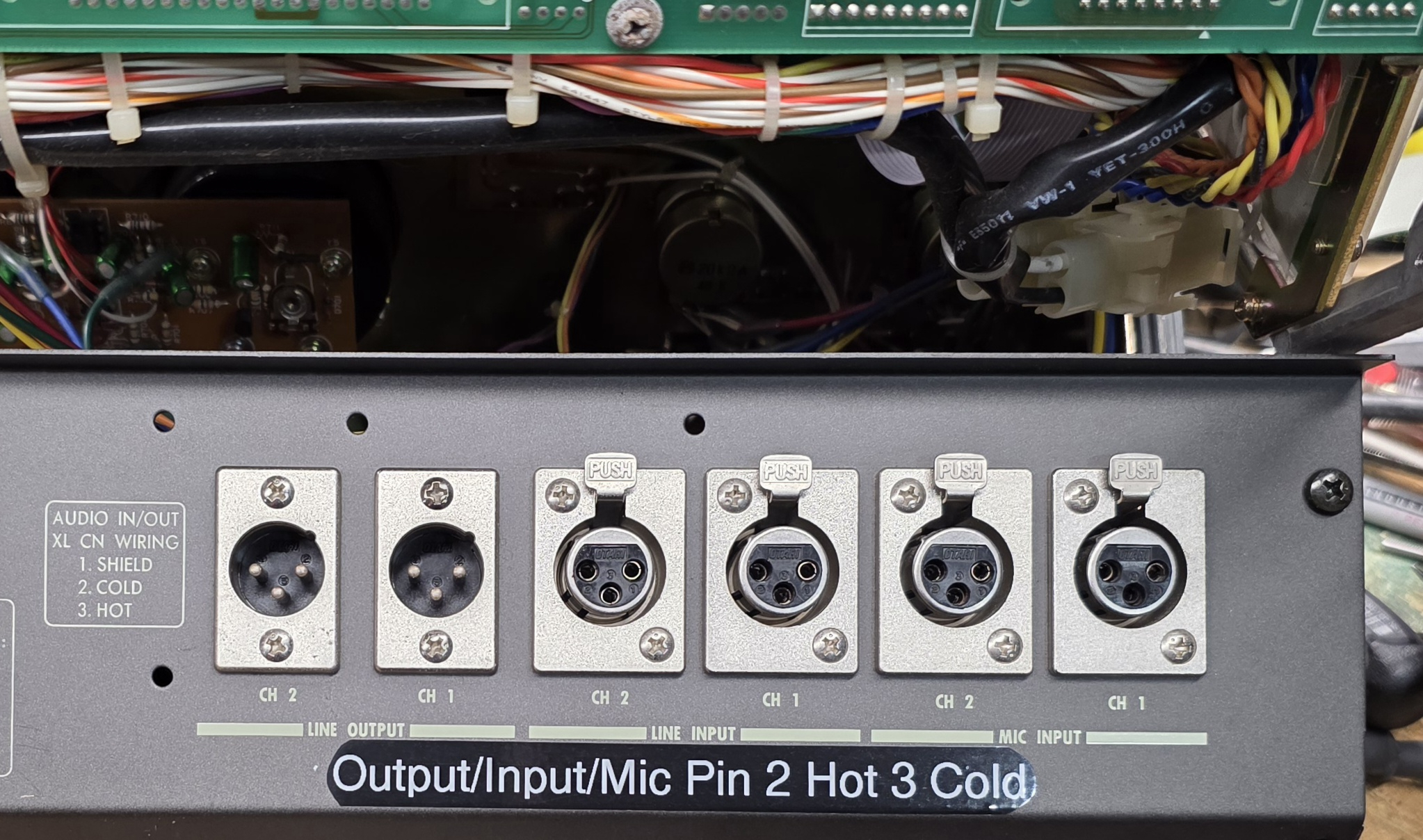
Otari did pin 3 hot on the XLR and had a notice silkscreened next to them. I was mulling my options as most gear these days is pin 2 hot. Thanks to Ken for pointing me to the AES14-1992 standard which is pin 2 hot or positive, pin 3 cold or negative. Made it easy to decide what to do.
Standard XLR to RCA adapters that I have would ground pin 3 to 1, the shield. Instead of making custom adapters/cables to connect pin 3 to center pin RCA, I swapped wires on pin 2 and 3 for output, input and mic XLR's. Big font on a label under them makes it obvious.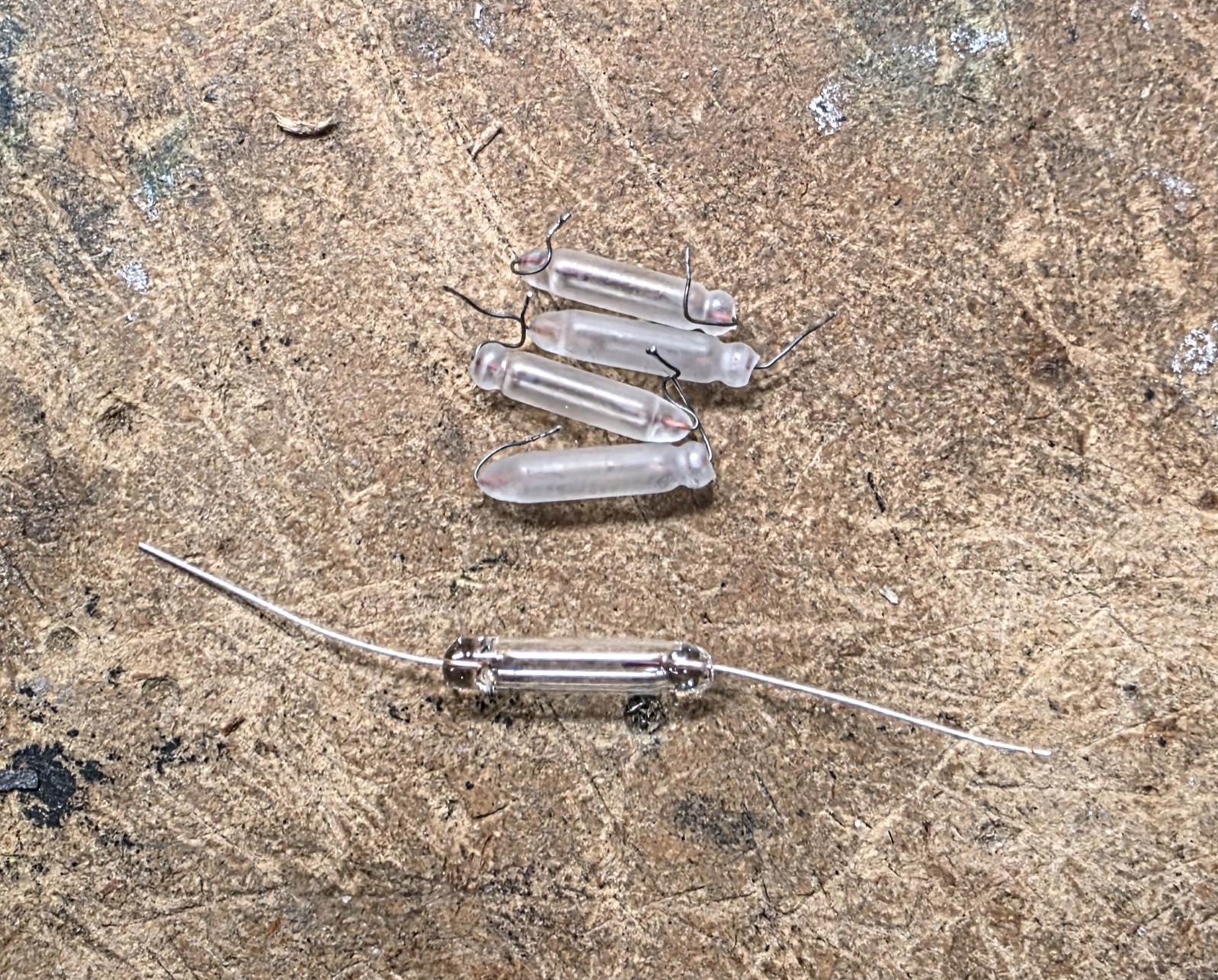
Salk SoundScape 8's * Audio Research Reference 3 * Bottlehead Eros Phono * Park's Audio Budgie SUT * Krell KSA-250 * Harmonic Technology Pro 9+ * Signature Series Sonore Music Server w/Deux PS * Roon * Gustard R26 DAC / Singxer SU-6 DDC * Heavy Plinth Lenco L75 Idler Drive * AA MG-1 Linear Air Bearing Arm * AT33PTG/II & Denon 103R * Richard Gray 600S * NHT B-12d subs * GIK Acoustic Treatments * Sennheiser HD650 * -
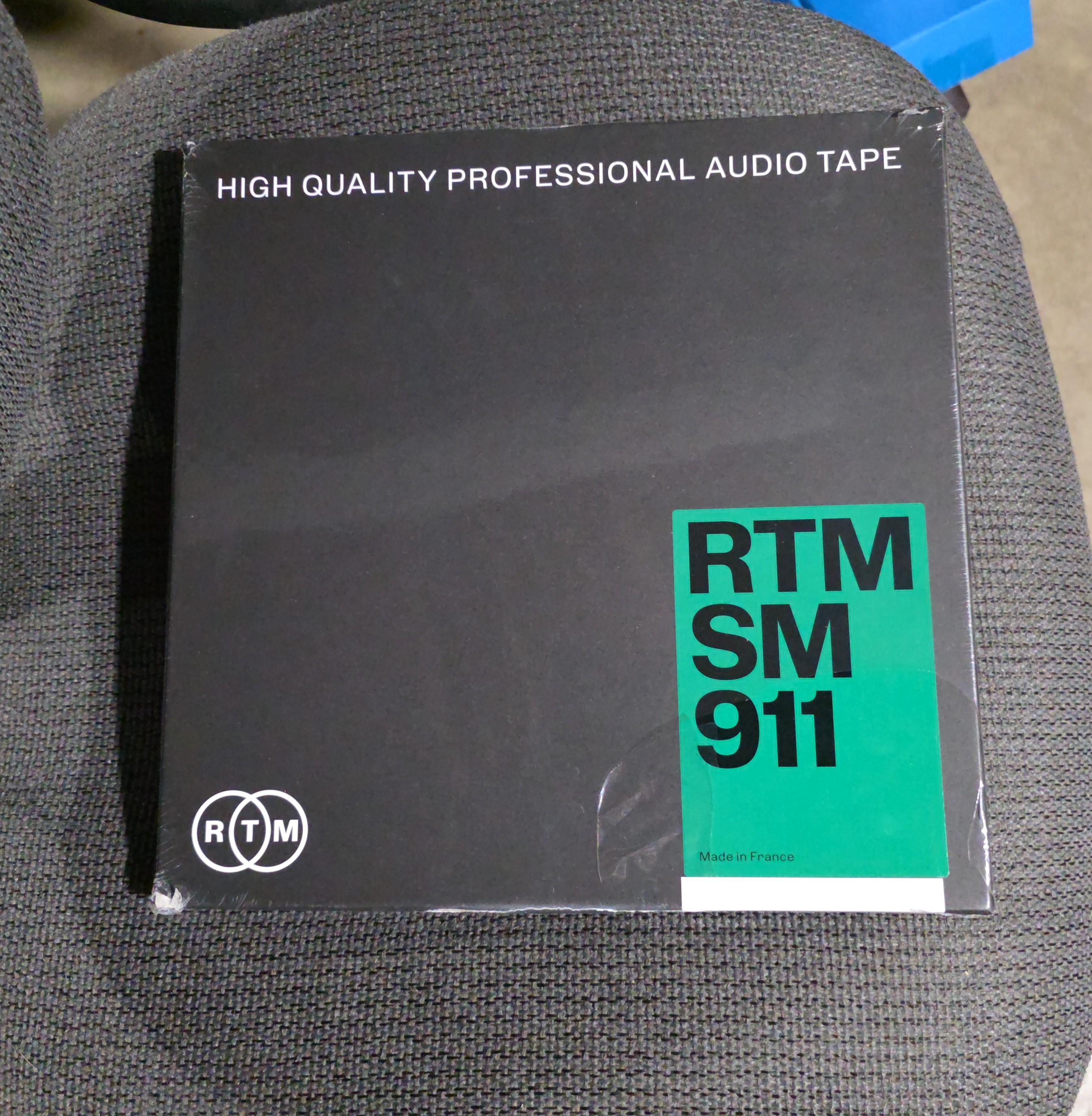
Magic oil arrived. Operational testing may proceed. New RTM SM911 tape used. $56 bucks for 10.5 reel, Black Friday sale. Tech's have told me a two-track machine will not completely erase a four track recording.
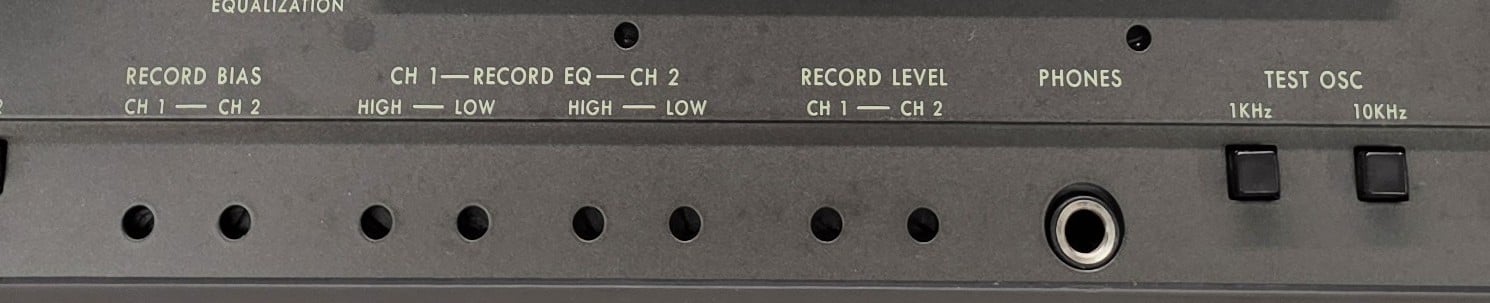
Those front mounted bias, record level and EQ adjustments and built in 1kHz/10kHz oscillator are sure convenient. If you change tape type, you can quickly calibrate to it using VU meters.
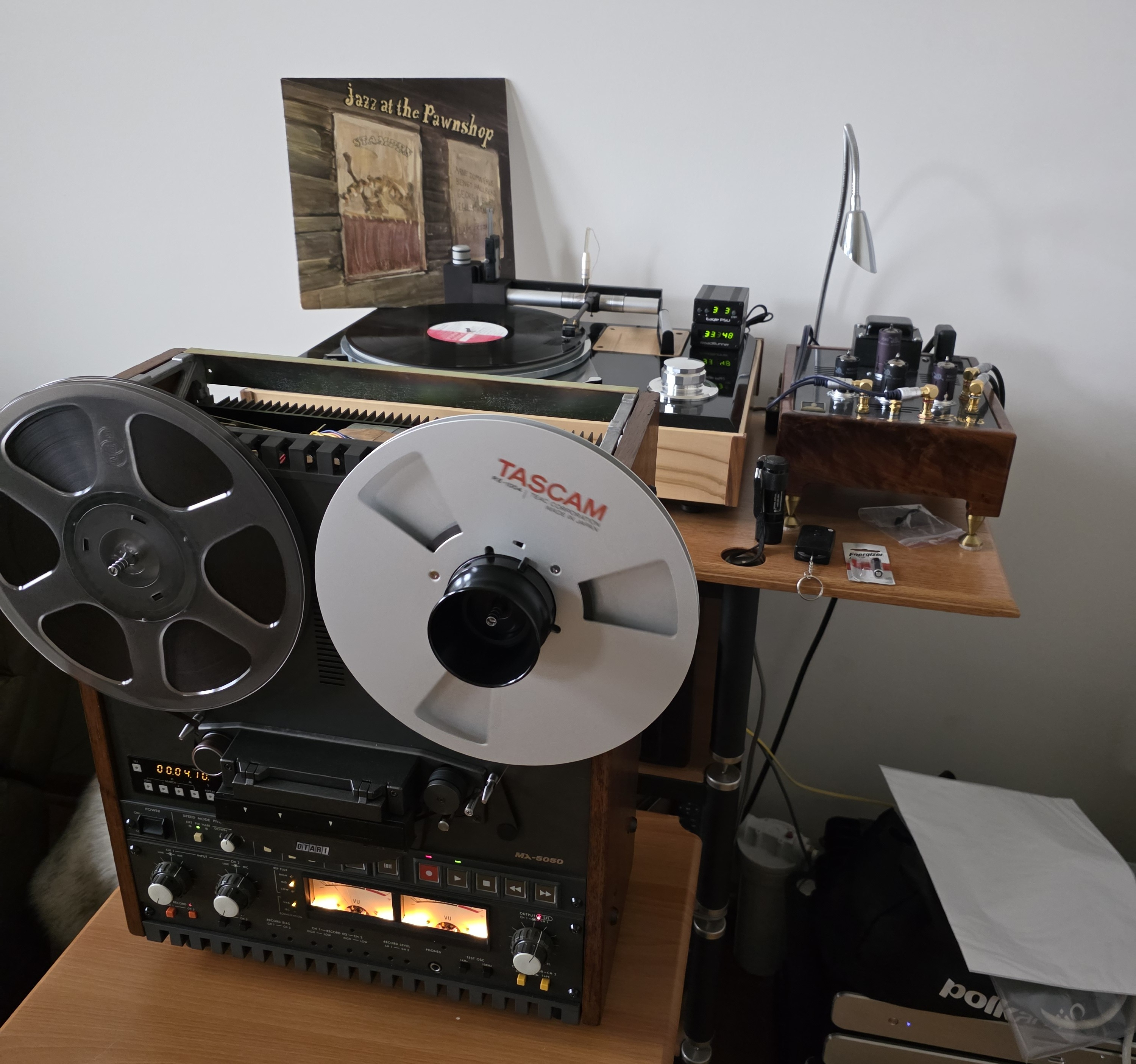
Connected to old Yamaha CA-800 in basement system via SE, I had to turn input volume to max to achieve near 0VU peak levels. Carried it upstairs (62 pounds!), connected to ARC Ref 3 record out via balanced, and only need input knobs around 2 o'clock for 0VU peaks.
I have an issue to look into regarding a pinch roller noise using the back coated SM911. It's quiet using an older tape. The pinch roller is old so expect to get a new or send to Terry in MI for a new tyre. I thought I had a record problem but that was user error, failed to latch channel 1 record button.
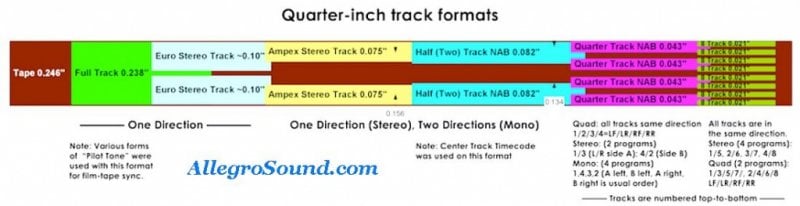
Playback of recordings sounds verrrrry good. Tape sure runs by quick at 15ips though. If I keep this deck, I'd use 7.5ips. With two track you can only record one direction.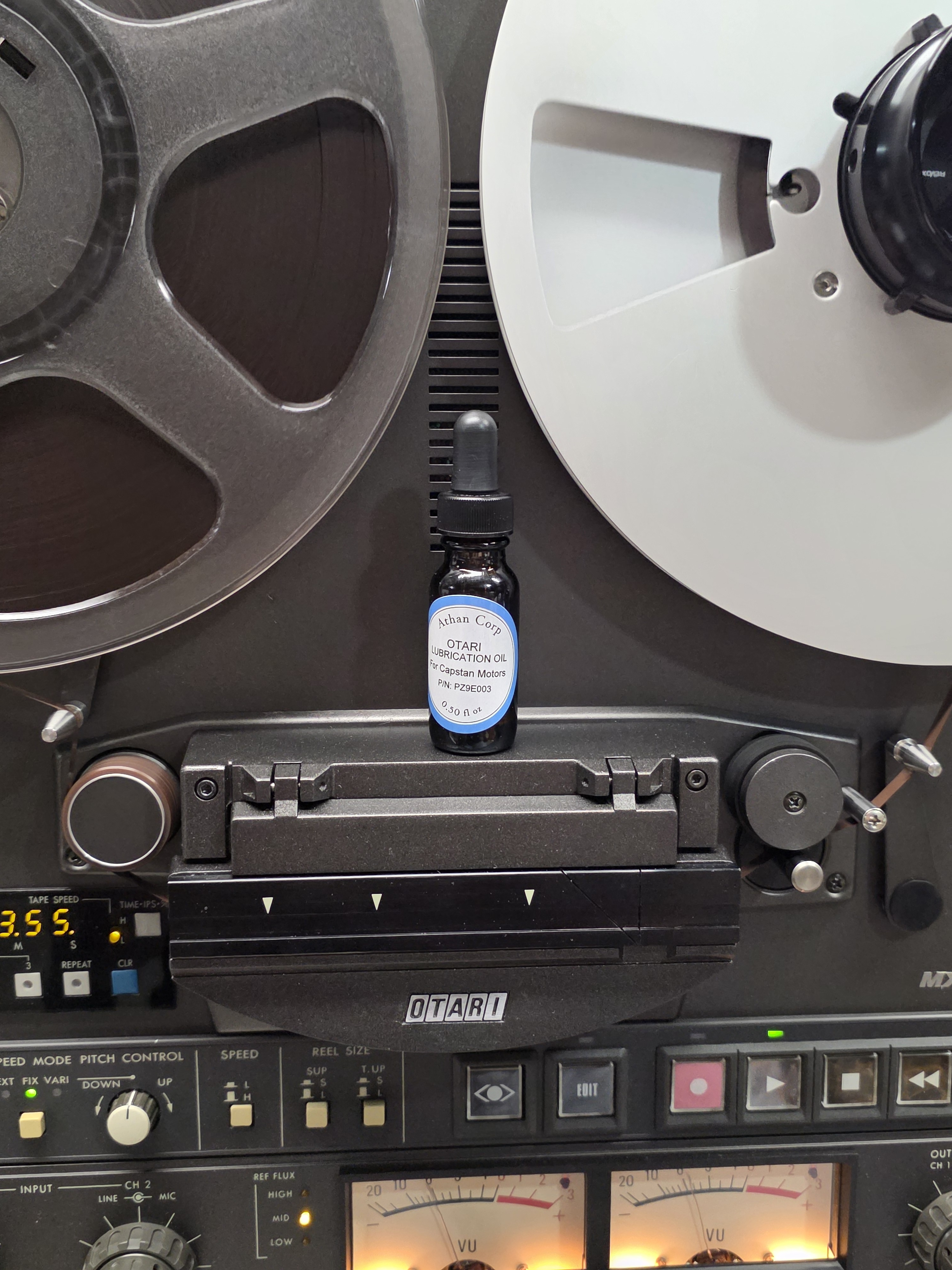
Post edited by SCompRacer onSalk SoundScape 8's * Audio Research Reference 3 * Bottlehead Eros Phono * Park's Audio Budgie SUT * Krell KSA-250 * Harmonic Technology Pro 9+ * Signature Series Sonore Music Server w/Deux PS * Roon * Gustard R26 DAC / Singxer SU-6 DDC * Heavy Plinth Lenco L75 Idler Drive * AA MG-1 Linear Air Bearing Arm * AT33PTG/II & Denon 103R * Richard Gray 600S * NHT B-12d subs * GIK Acoustic Treatments * Sennheiser HD650 *


