How to connect two power amps to a single pre amp to run the power amps as two mono blocks?
Options

sweetsound
Posts: 3
Hi, everyone 🤗. Please help! I have this Onkyo pre amp P304 and 2 of the Onkyo M504 power amp. I wanted to use both power amp as two discrete mono blocks connected to the pre amp. Is it possible? How? Could you draw a diagram of how to connect ? Also I have four floor standing speakers. How do I connect them? Please elaborate with diagrams. I am novice in this matter. ☹️☹️☹️
Answers
-
“Human beings are born with different capacities. If they are free, they are not equal. And if they are equal, they are not free.”
― Aleksandr Solzhenitsyn -
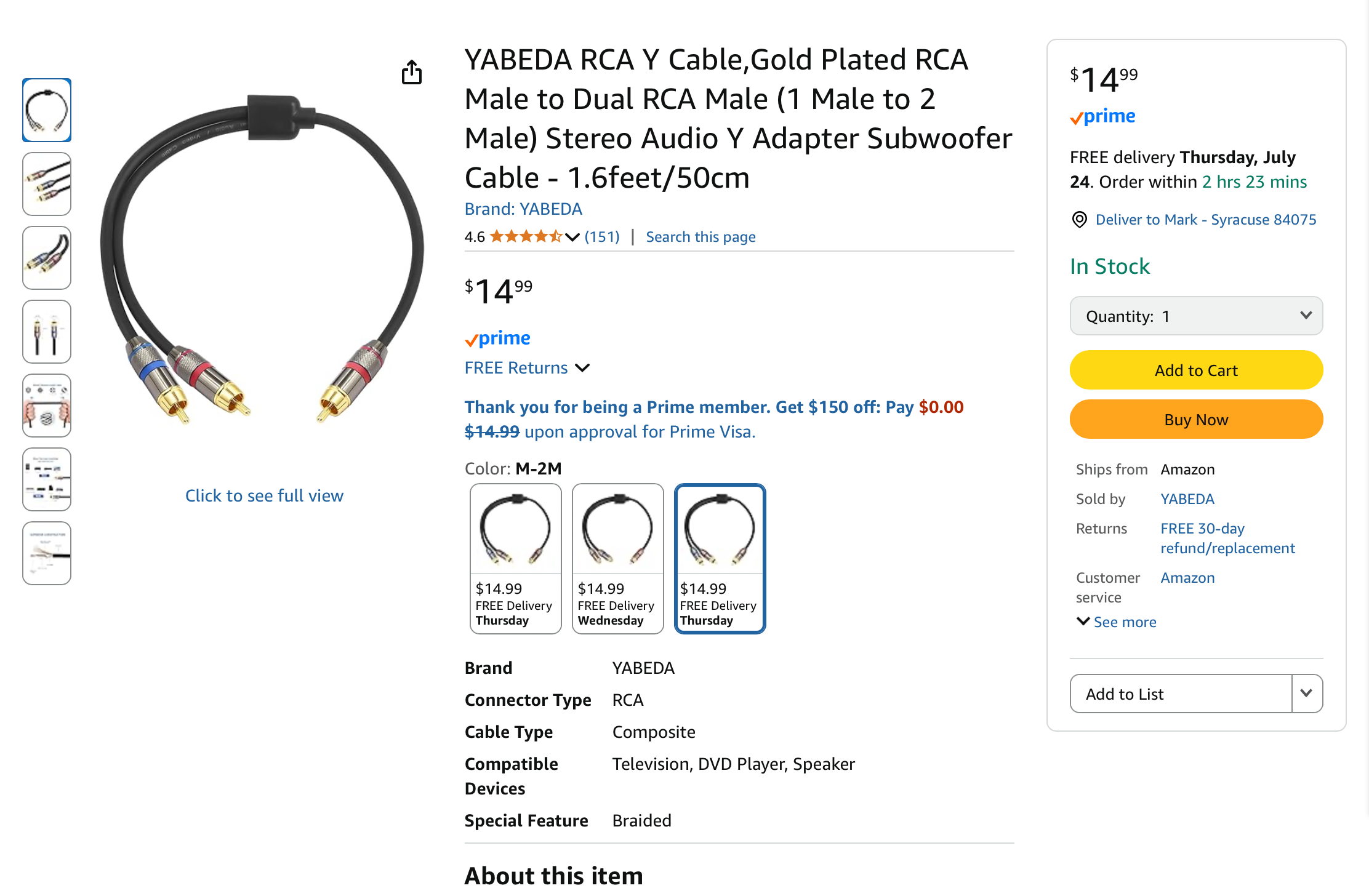
Or these if your amps are close enough together…
“Human beings are born with different capacities. If they are free, they are not equal. And if they are equal, they are not free.”
― Aleksandr Solzhenitsyn -
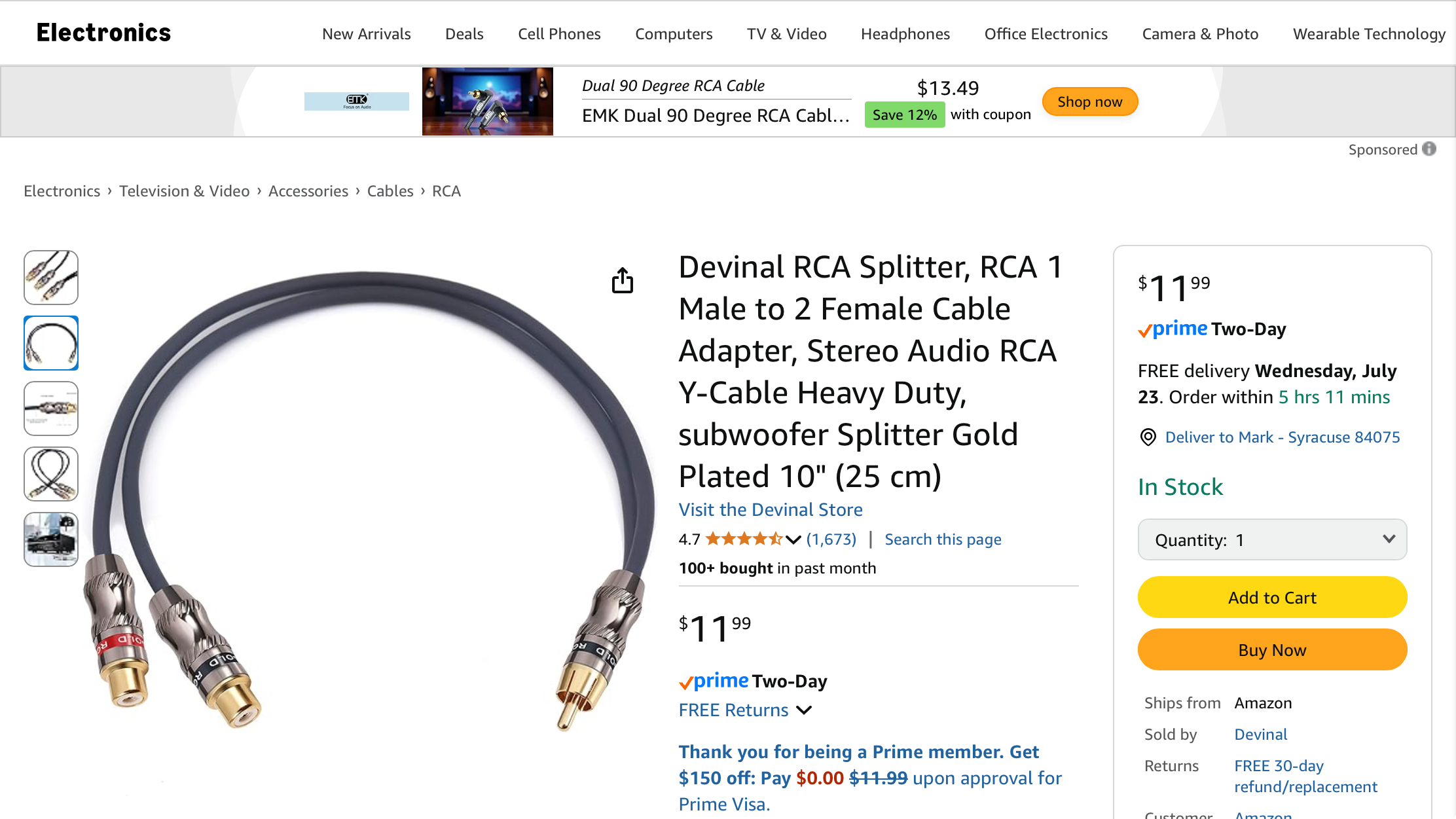
Ok so one male RCA is splitting in to two male for one power amp and the other male RCA is for the second power amp? Now that it has left and right channel for two power amp, there are now 8 speakers connection active. I have four speaker 8ohm 150w per speaker. How do I connect them?
-
I have to ask. What are your goals with this configuration? Do you think you're going to double the power?
That amp has NO 4 ohm rating, AT all.
I foresee magic smoke being released. -
Someone on Reverb sold one of those. Claimed it is rated at 4 ohms and 2 ohms. Not surprisingly, anything to back that claim cannot be found anywhere else.
Since the amp has no option to switch it from stereo to mono block...Political Correctness'.........defined
"A doctrine fostered by a delusional, illogical minority and rabidly promoted by an unscrupulous mainstream media, which holds forth the proposition that it is entirely possible to pick up a t-u-r-d by the clean end."
President of Club Polk -
Yeah, this is, in the abstract, an interesting question.
The problem is that although I am aware of these Onkyo components (which are, if memory serves, pretty redoubtable), I don't know any details of them, and I figured others here would (and I am lazy!).
IF the goal is to just use one channel of each amp separately, then, yes, that is trivial. Leave the other channel idling, sans input or output. It might be argued that the best practice would be to short the unused channel's input, but that's not always the case.
It also might be argued that the best practice would be to put a power resistor (high-ish resistance is fine) across the output of the unused channel, "just in case", but any solid state power amp should be happy to be open-circuited (i.e., nothing connected to the output terminals) whether there is any input signal or not.
Is there any advantage to using half of a stereo power amplifier per channel? Maybe a little. Assuming (???) that the stereo power amp in question has a single power supply, there should be a little more headroom (could be up to 3 dB, but probably less) by simply not having two channels competing for power! If the M504 has a dual power supply (two separate power transformers, rectifiers, filters, and regulators), then it shouldn't make much difference to leave one channel unused.
The other (likely minor) benefit could be the elimination of some "crosstalk" (i.e., slightly better channel separation). Probably measurable, maybe or maybe not audible.
Where the discussion gets interesting - some power amplifiers are bridgeable. Operating the components of two stereo power amplifiers as one bridged mono amplifier, IF IT IS POSSIBLE, can double the steady-state power output capability of the power amp, but it will also double the lowest safe load impedance for the amplifier. Doubling power is a 3 dB increase, but in this case the doubling is "continuous", vs. "headroom" which implies a short-term (burst) capability.
Can the M504 be safely used in a bridged mode? I don't know. If it can, would the OP's loudspeakers be a "safe" load for it? I don't know.
-
The manufactures manual mentions nothing about bridged operation, the back has no switch to do so.Can the M504 be safely used in a bridged mode?
No is the safe bet that it can be. -
In general terms any two channel amplifier could be converted to a single channel,"bridged" mode by inverting the input signal to one of the channels and then connecting the speaker to the two positive output terminals. That's really all the "bridged" switch does.
-
I see now that the m504 is not to be used as mono blocks. May be they aren't built for that purpose. The manufacturer doesn't say anything about bridge them. If I still try I may unknowingly fry them!! So I will just use one of them with two speaker. They sound incredible!! Thank you all for your help. You have probably saved me from burning them up!!
-
What @SeleniumFalcon says is true -- but I am not sure I'd try it without knowing for sure the result would be benign for any arbitrary amplifier (particularly a good one or an expensive one). At least not with my own amplifier.

-
This concept of how to invert the polarity of a single ended signal has been running in the back of my mind and I believe I've come up with a possible solution. One idea would be to use something like this:
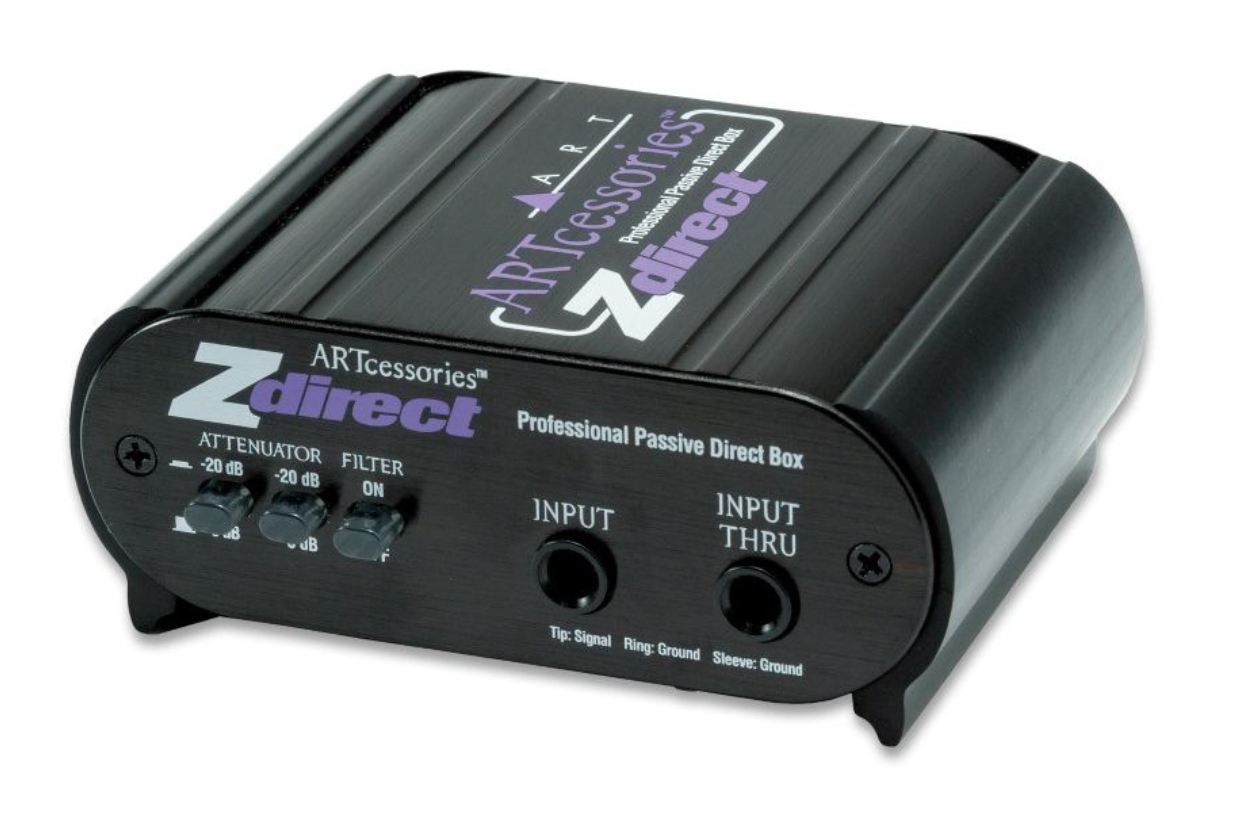
Basically it would take a single ended input (in this example it is a 1/4" plug, so you would need an adapter to go from RCA to 1/4" plug. Then into the box and select the "inverse" (found on the other side of the box, trust me) button. Then use an XLR to RCA cable for the rest of the connection.
Whenever the "bridging" feature is part of the amplifier's design this happens in one of the interstage parts of the circuit. Most probably between the driver and output stages. This is more of a thought experiment, rather than something anybody needs to do. -
FWIW, I'd just make a cable that flips the two connections at one end relative to the other.
-
I'm afraid that would just short the signal to ground in a single ended configuration. You can do that if the signal is balanced such as a phono cartridge or tape playback head, but not the others such as preamp (of course, unless it was a balanced preamp).
-
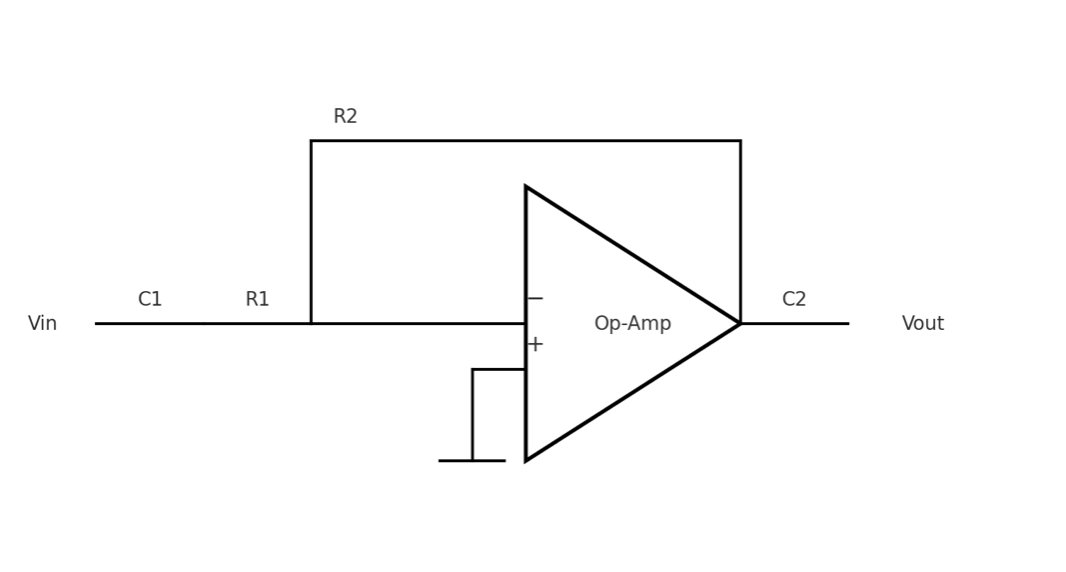
A better approach would be to use a unity-gain op-amp configuration which would require a power supply. But it would invert the polarity and not bugger the sound very much. This is probably what most professional inverters use.