Can I fix a mark Levinson 33 Monoblock thread
Comments
-
that is very cool. Looks like a quality PCB as well
There is a lot more to this amp, so very possible to run into something like this.- Not Tom ::::::: Any system can play Diana Krall. Only the best can play Limp Bizkit. -
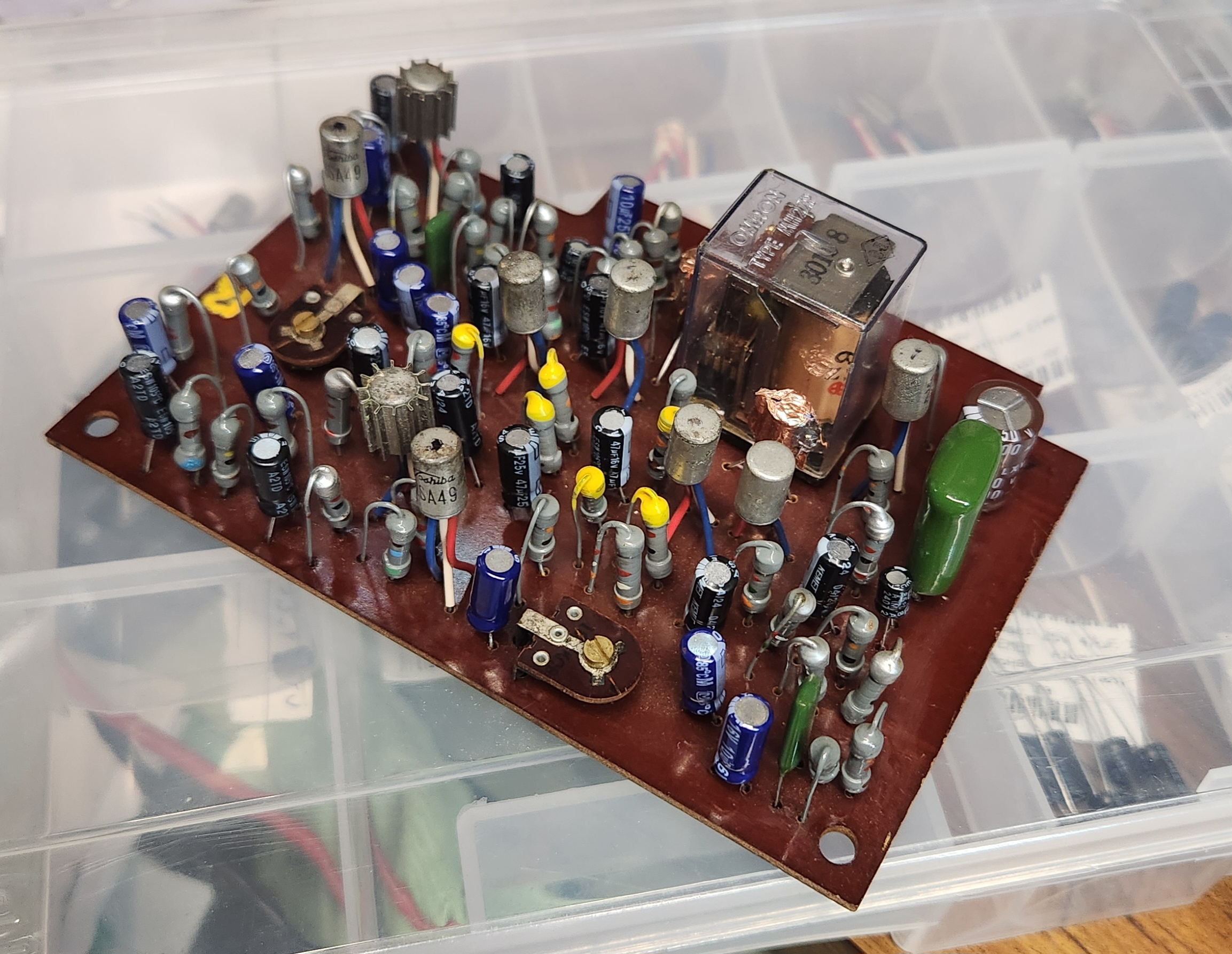
I used Kemet in the Teac 4010SU recap. Small values in the popular brands were not available at Mouser or Digikey. They measured very close to value and leakage specs on my Sencore Z meter. I test everything that comes out and goes in just to be sure I'm not installing a problem.
Salk SoundScape 8's * Audio Research Reference 3 * Bottlehead Eros Phono * Park's Audio Budgie SUT * Krell KSA-250 * Harmonic Technology Pro 9+ * Signature Series Sonore Music Server w/Deux PS * Roon * Gustard R26 DAC / Singxer SU-6 DDC * Heavy Plinth Lenco L75 Idler Drive * AA MG-1 Linear Air Bearing Arm * AT33PTG/II & Denon 103R * Richard Gray 600S * NHT B-12d subs * GIK Acoustic Treatments * Sennheiser HD650 * -
I am glad to hear you like them.
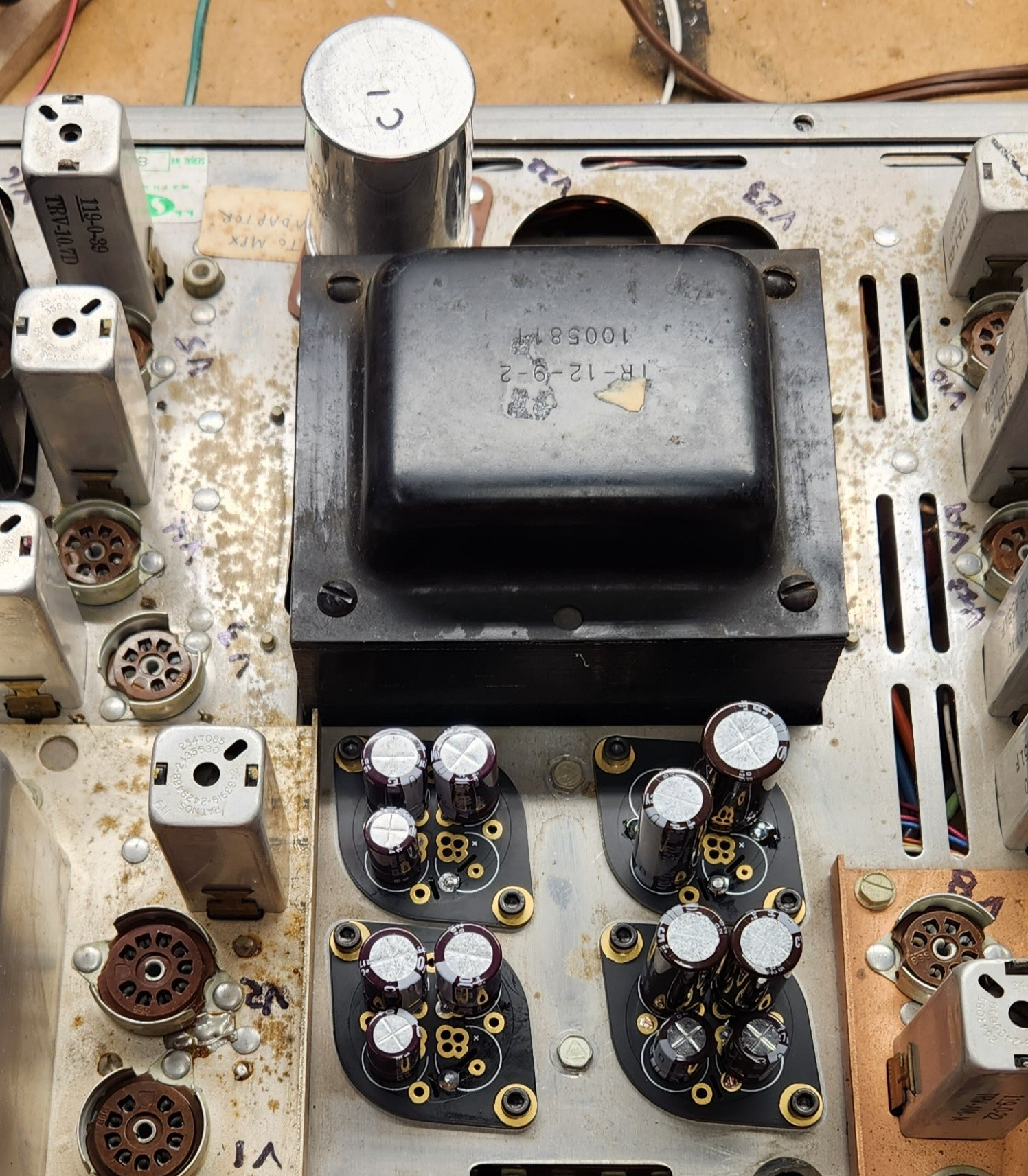
So far everything I have measured has been very good.
I am using polypropylene wima for the films and they are darn near perfect.
I use kemet on the ceramics on the last board and they were also very nice.
What meter are you using?- Not Tom ::::::: Any system can play Diana Krall. Only the best can play Limp Bizkit. -
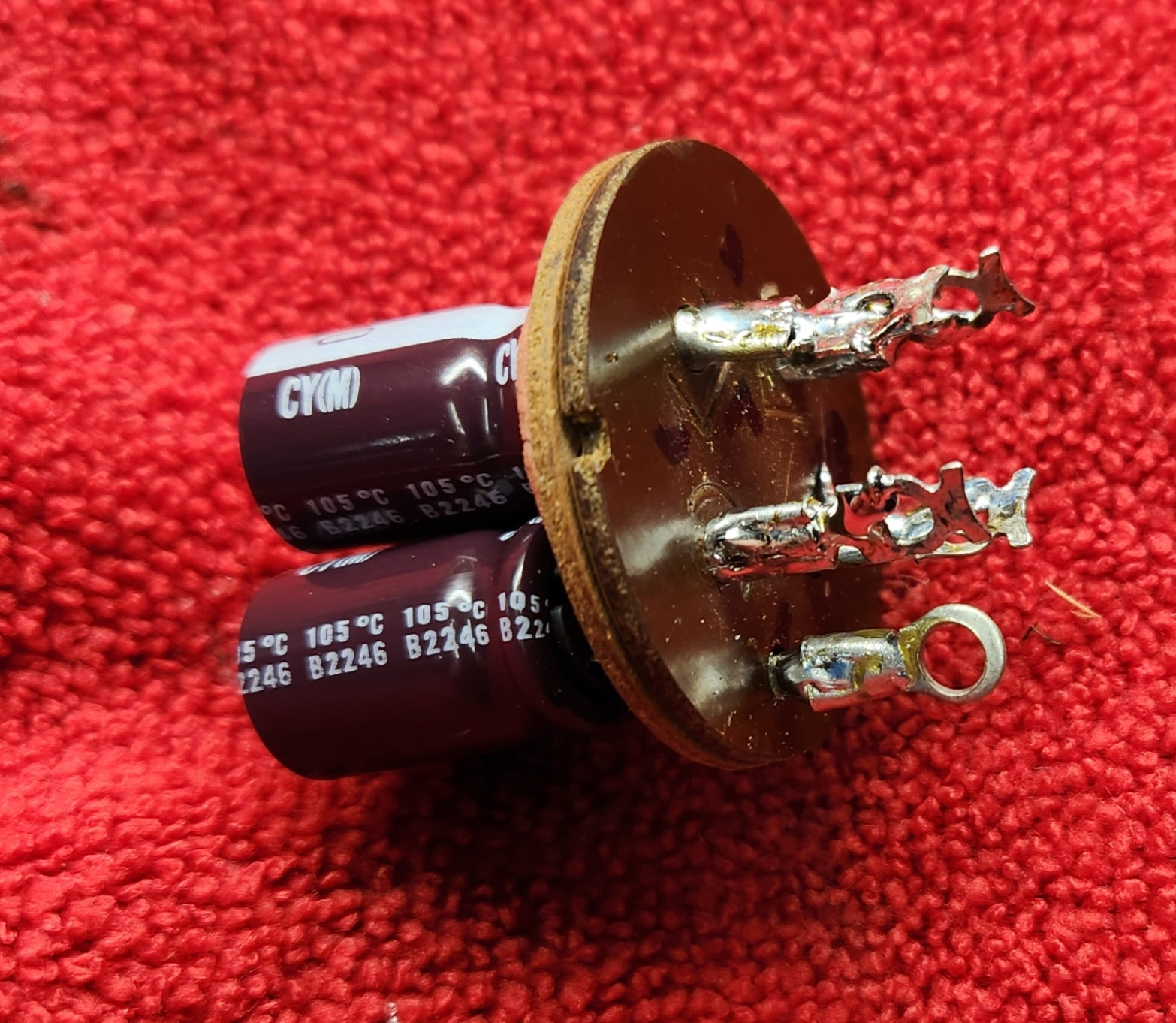
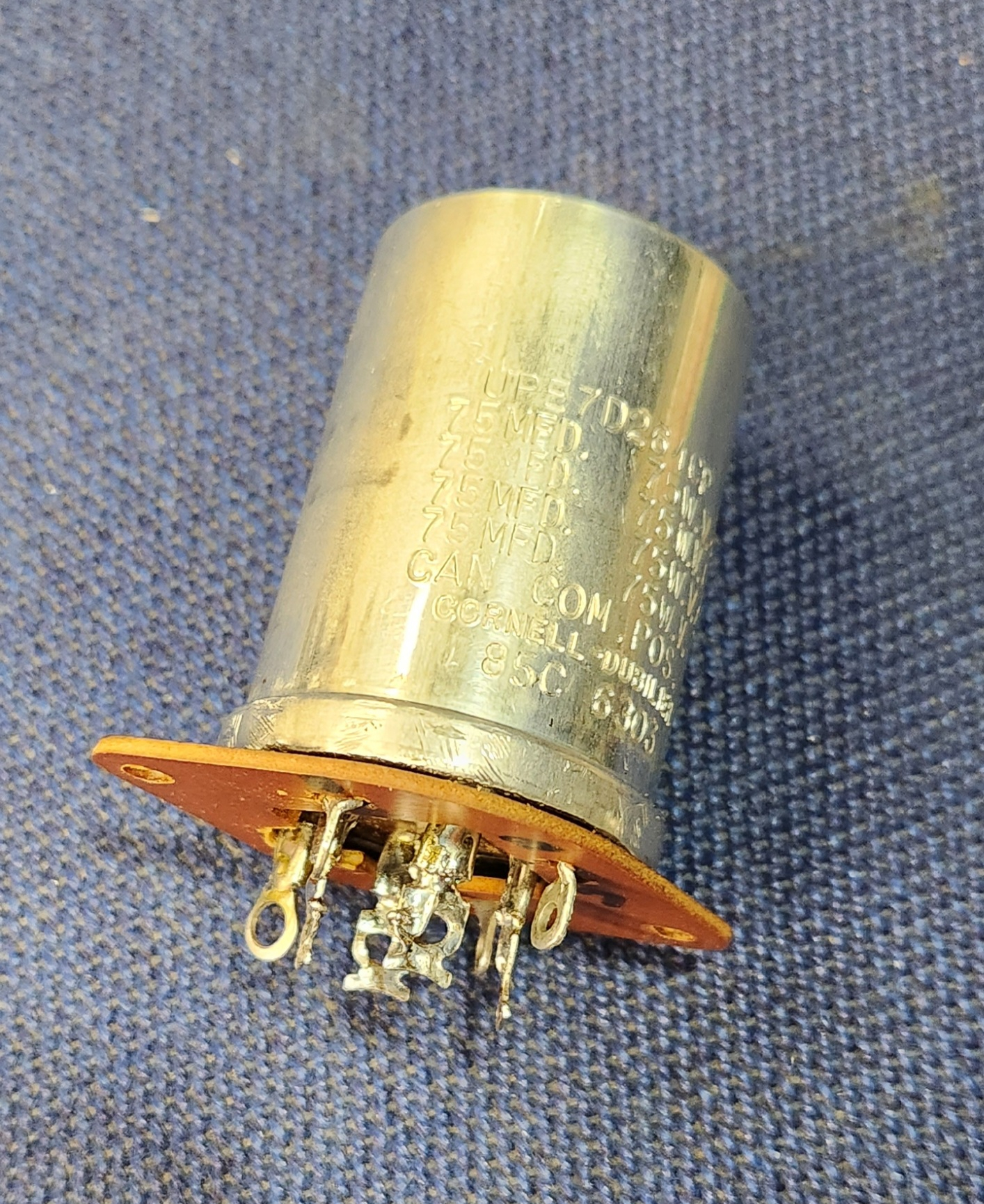
They do make exact replacement multi-value can caps on the old Mallory machinery. There is also a UK manufacturer that stuffs new manufacture capacitors into new cans/bases. One can stuff the old cans and salvage the base but removing the innards can be challenging. If still somewhat dry, the old pulls out easily. If gooey, you have some messy work to do.
I only stuffed cans at rear of chassis in case someone stuck their fingers back there moving it. Like C1. With pos ground cans you have to reverse the leads.
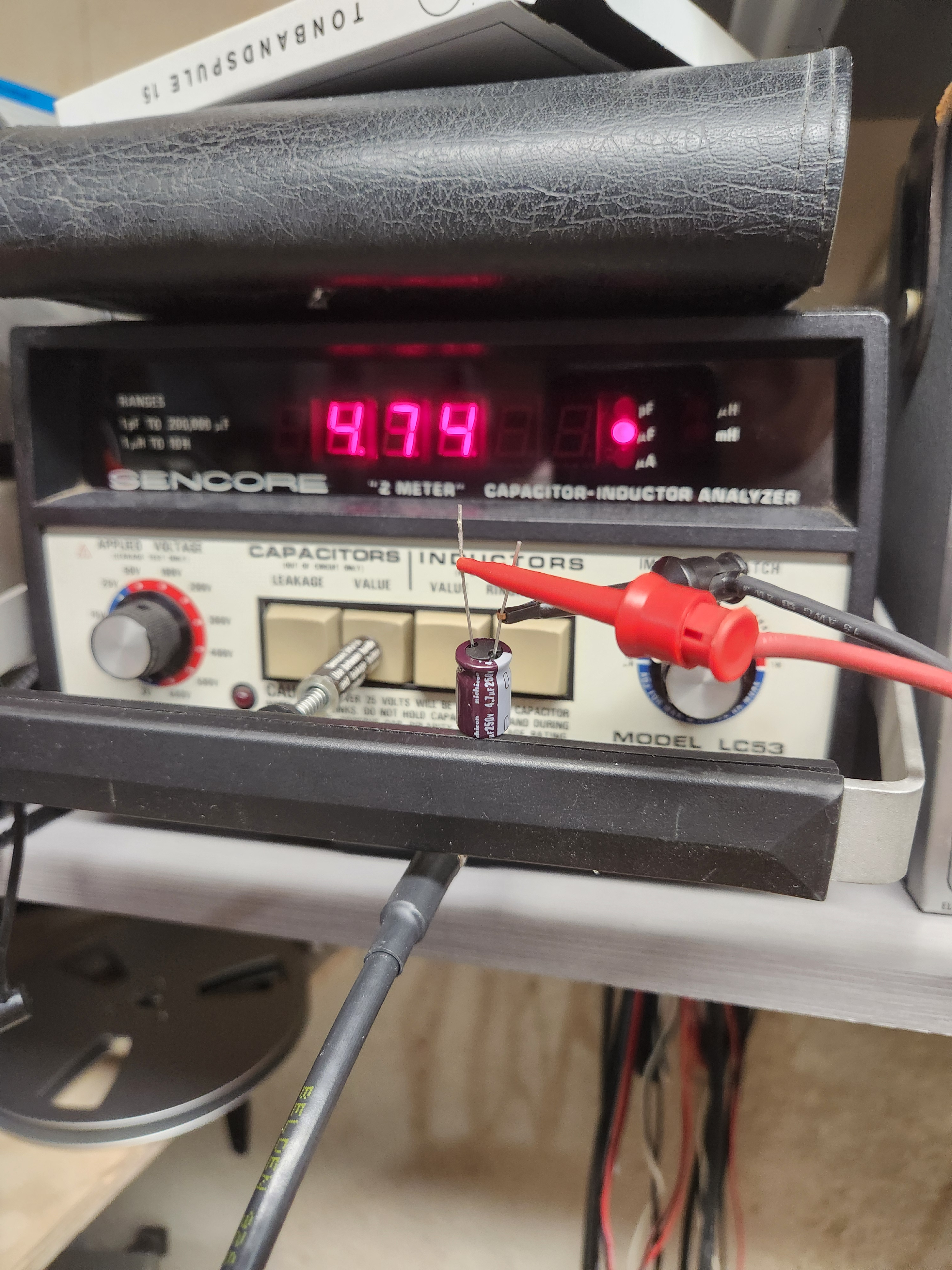
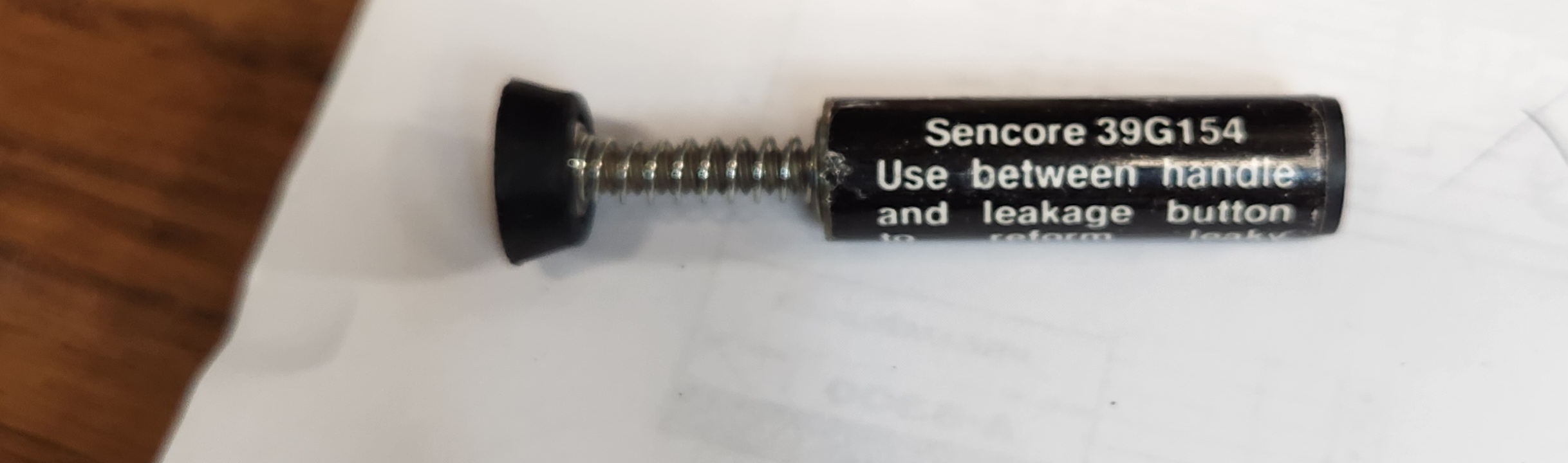
I have a Sencore LC53 Z meter. I was lucky as the seller had all the accessories including the button holder. If using it in leakage mode with the leakage button depressed, you just have to remember not to touch the leads, especially at the higher voltages like 600....lol.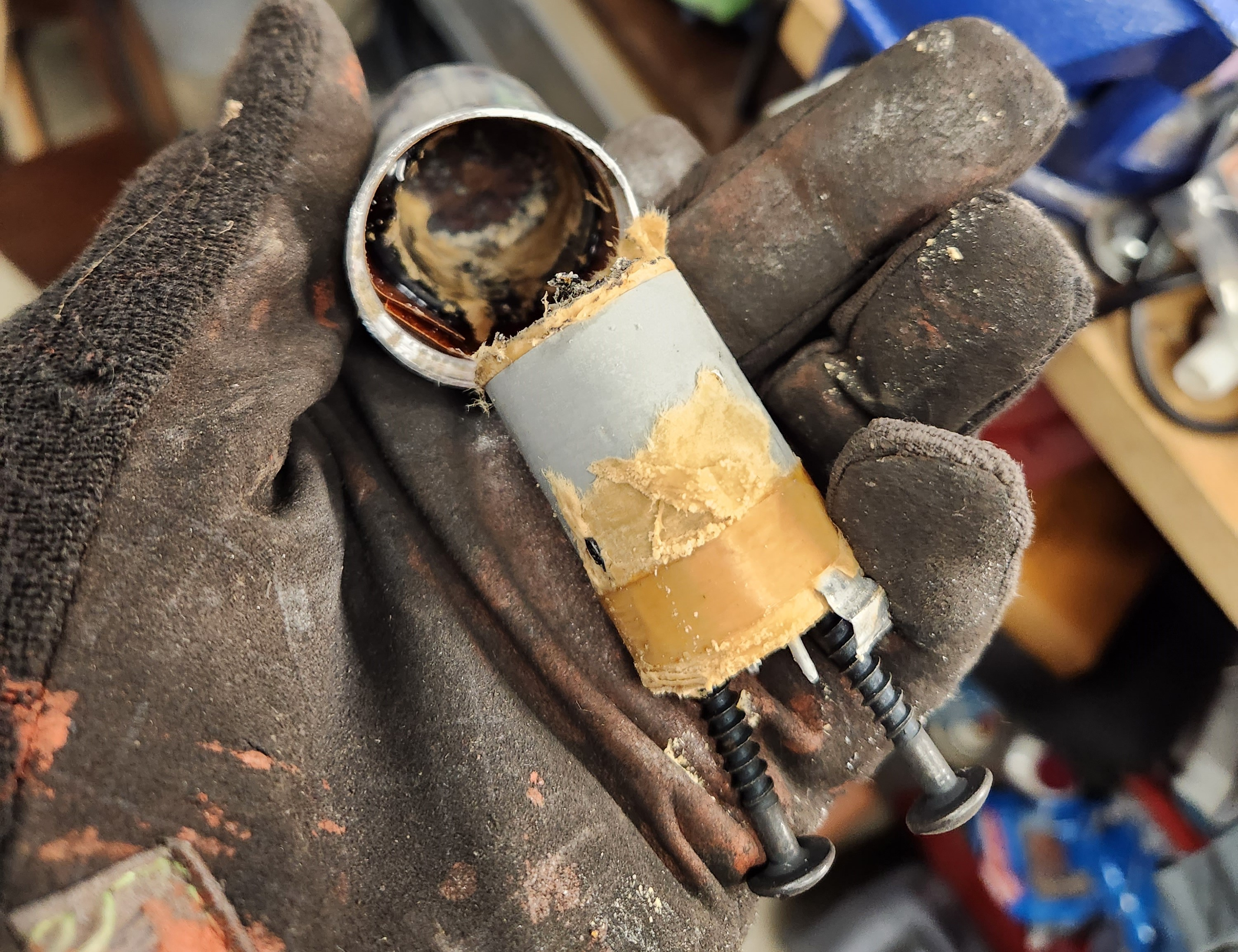
Post edited by SCompRacer onSalk SoundScape 8's * Audio Research Reference 3 * Bottlehead Eros Phono * Park's Audio Budgie SUT * Krell KSA-250 * Harmonic Technology Pro 9+ * Signature Series Sonore Music Server w/Deux PS * Roon * Gustard R26 DAC / Singxer SU-6 DDC * Heavy Plinth Lenco L75 Idler Drive * AA MG-1 Linear Air Bearing Arm * AT33PTG/II & Denon 103R * Richard Gray 600S * NHT B-12d subs * GIK Acoustic Treatments * Sennheiser HD650 * -
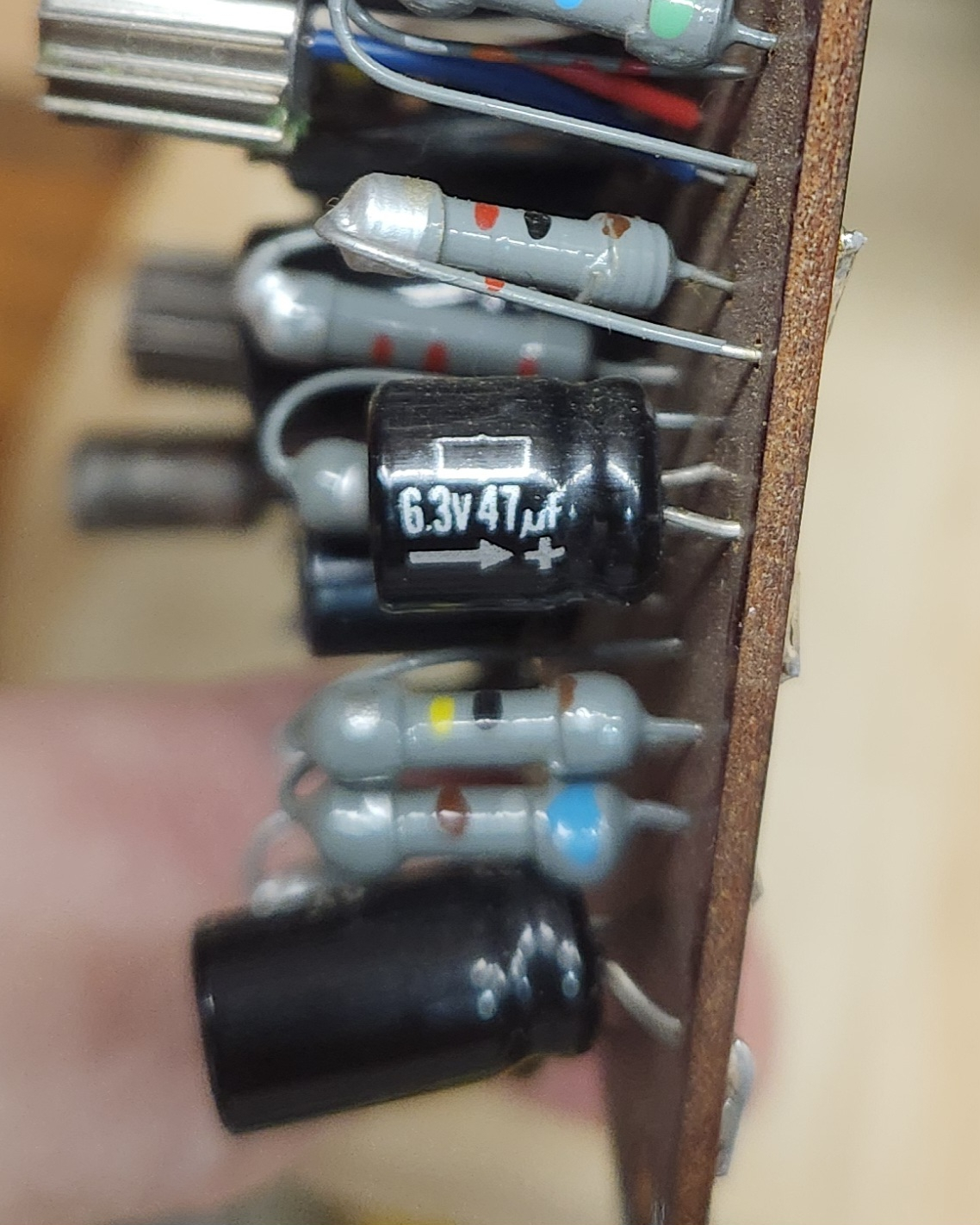
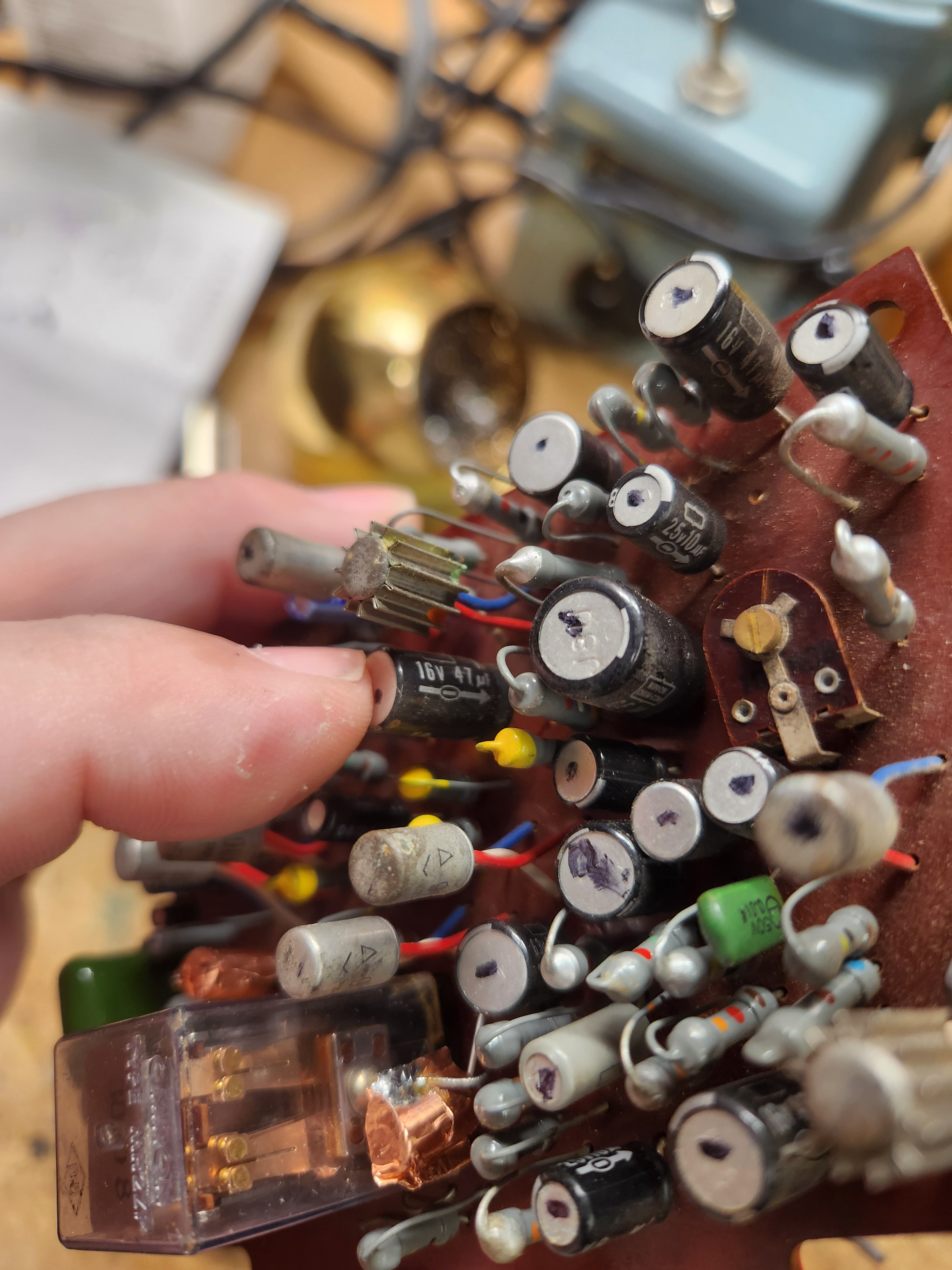
Have you run into any caps marked with positive lead instead of neg? The Teac 4010SU was the first time I ran into that. Like I have enough to watch out for already. The majority of Nippon Chemi Con caps in it had the typical negative lead marked.
Salk SoundScape 8's * Audio Research Reference 3 * Bottlehead Eros Phono * Park's Audio Budgie SUT * Krell KSA-250 * Harmonic Technology Pro 9+ * Signature Series Sonore Music Server w/Deux PS * Roon * Gustard R26 DAC / Singxer SU-6 DDC * Heavy Plinth Lenco L75 Idler Drive * AA MG-1 Linear Air Bearing Arm * AT33PTG/II & Denon 103R * Richard Gray 600S * NHT B-12d subs * GIK Acoustic Treatments * Sennheiser HD650 * -
All of the old caps were marked positive but so far all new ones have been marked negative.
The strangest thing so far was a vishay/Sprague cap I ordered that had a third lead that was to mount the cap axial but the leads are radial. Verified the 3rd lead was not part of the capacitor leads and cut it off.
It is actually the same brand that levinson used. Very nice cap. 105c rated, USA made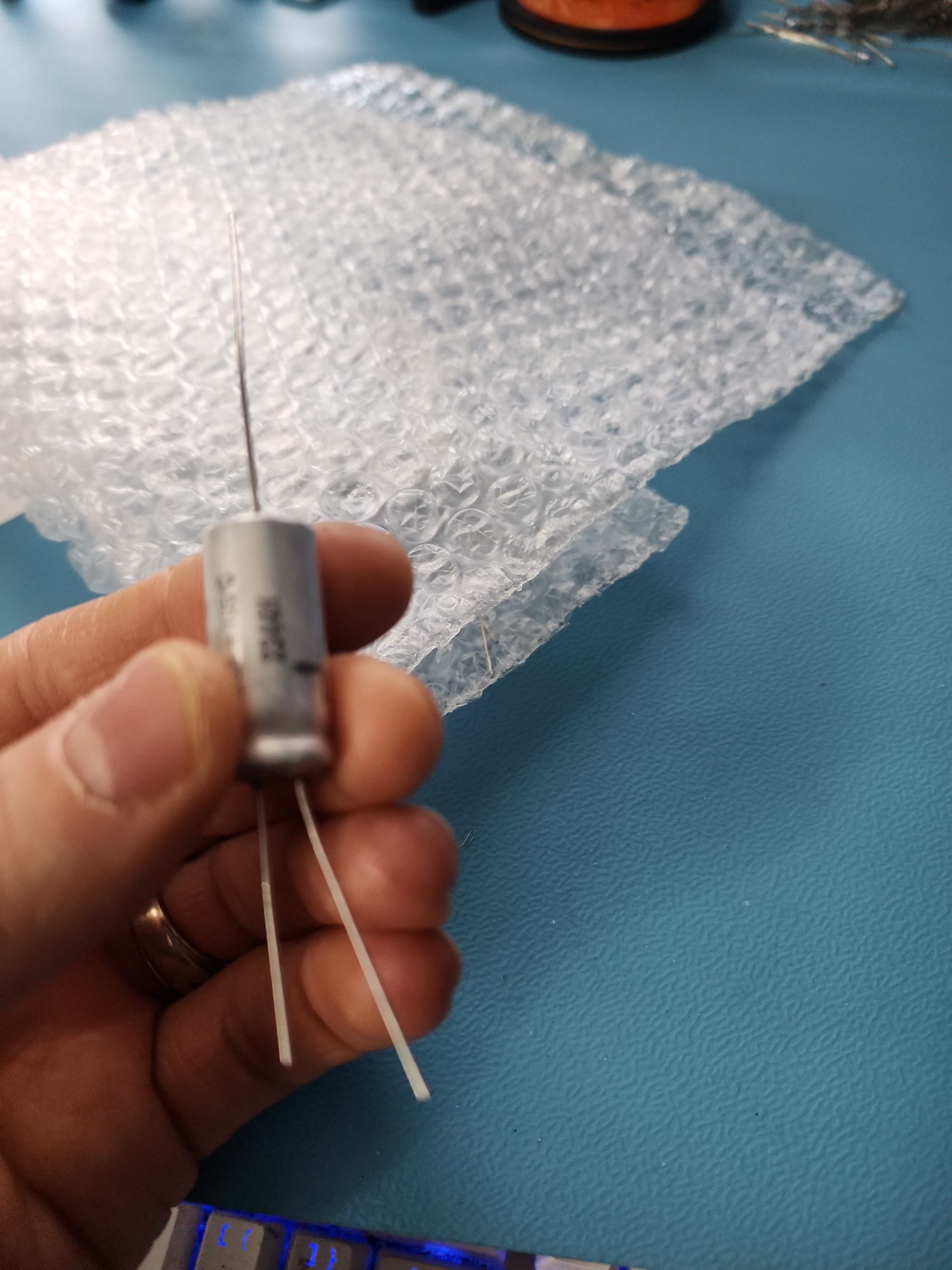
- Not Tom ::::::: Any system can play Diana Krall. Only the best can play Limp Bizkit. -
The third leg is typically a shield or can ground. I've had to replicate them with adhesive copper wrap around the new cap and solder a lead to the copper. There were two of them mounted next to FWD/REV play head relay.
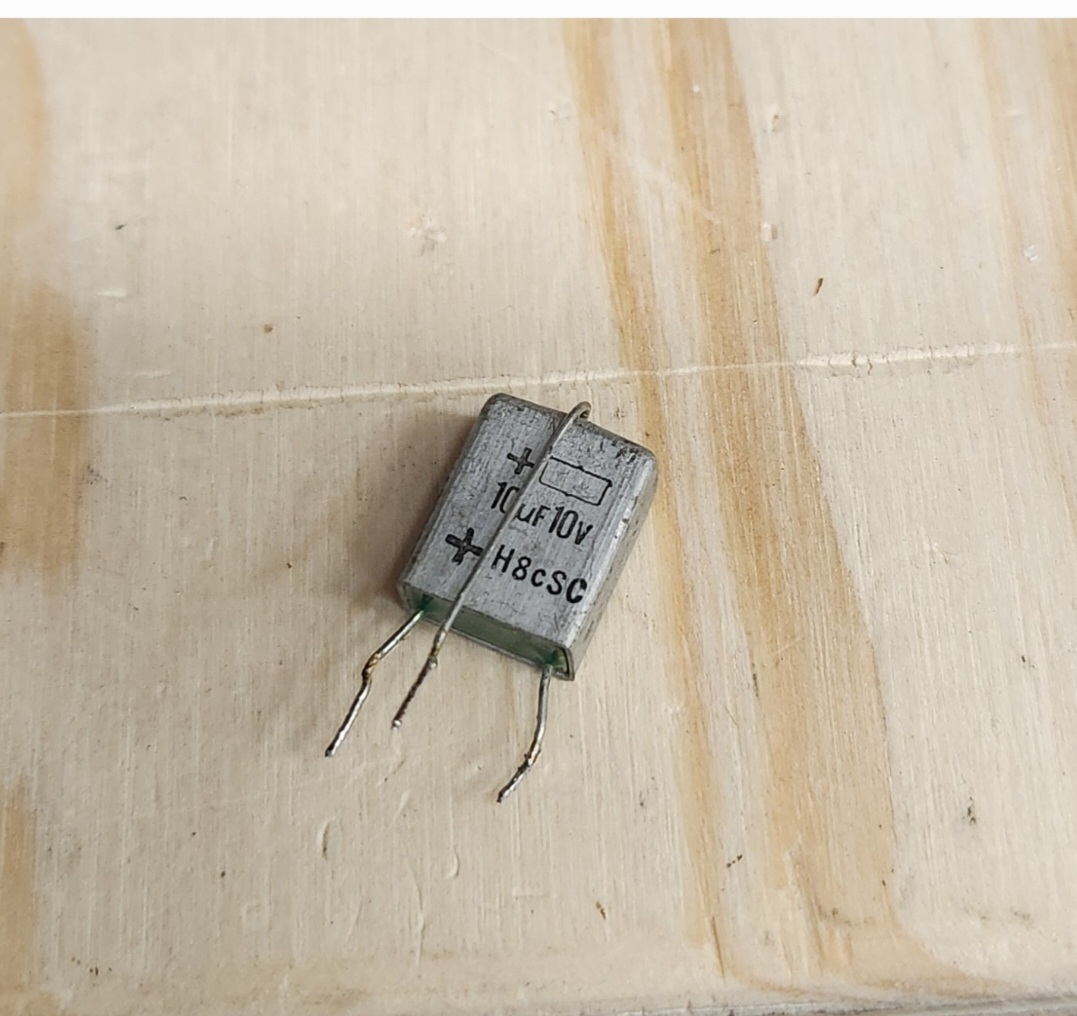
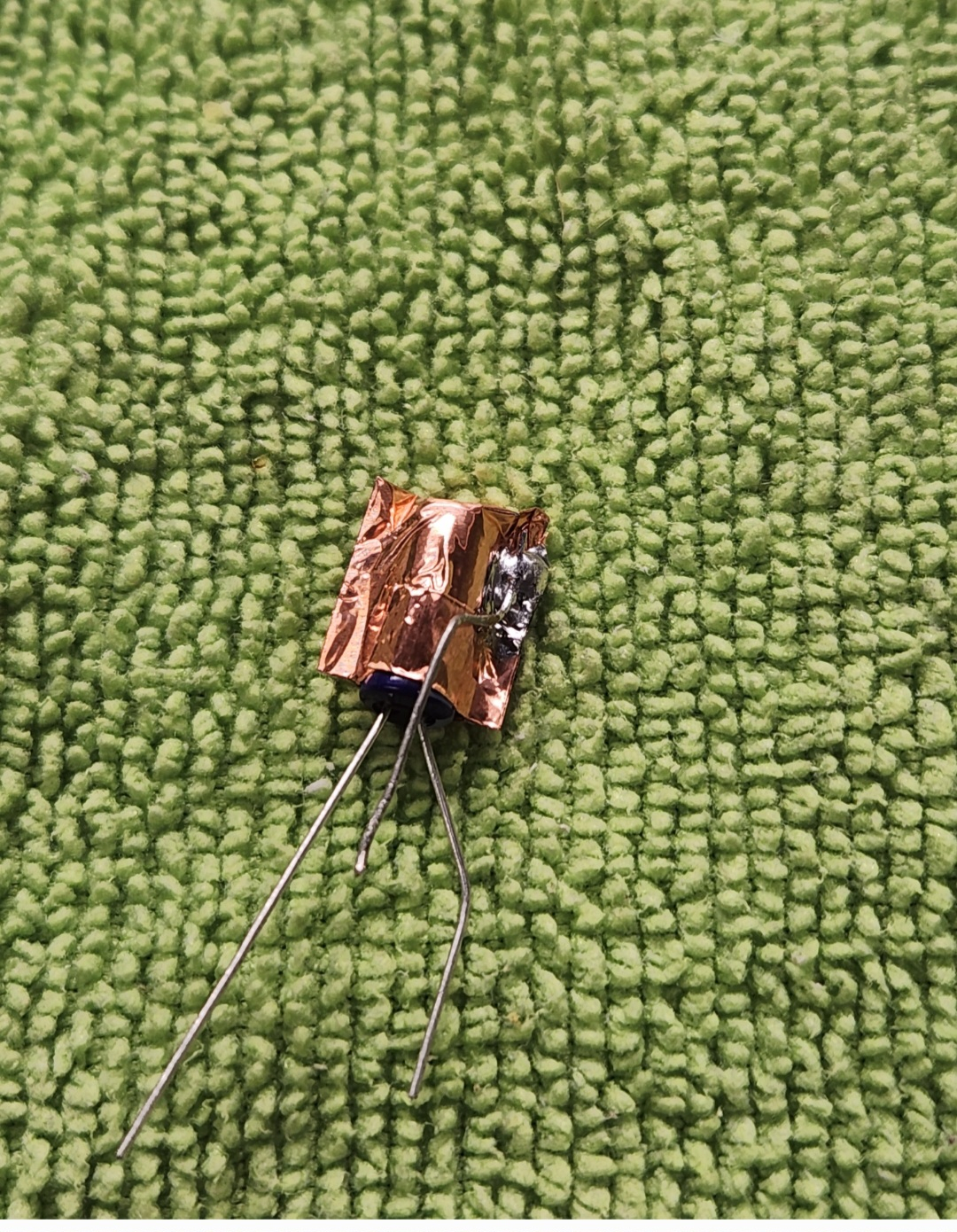
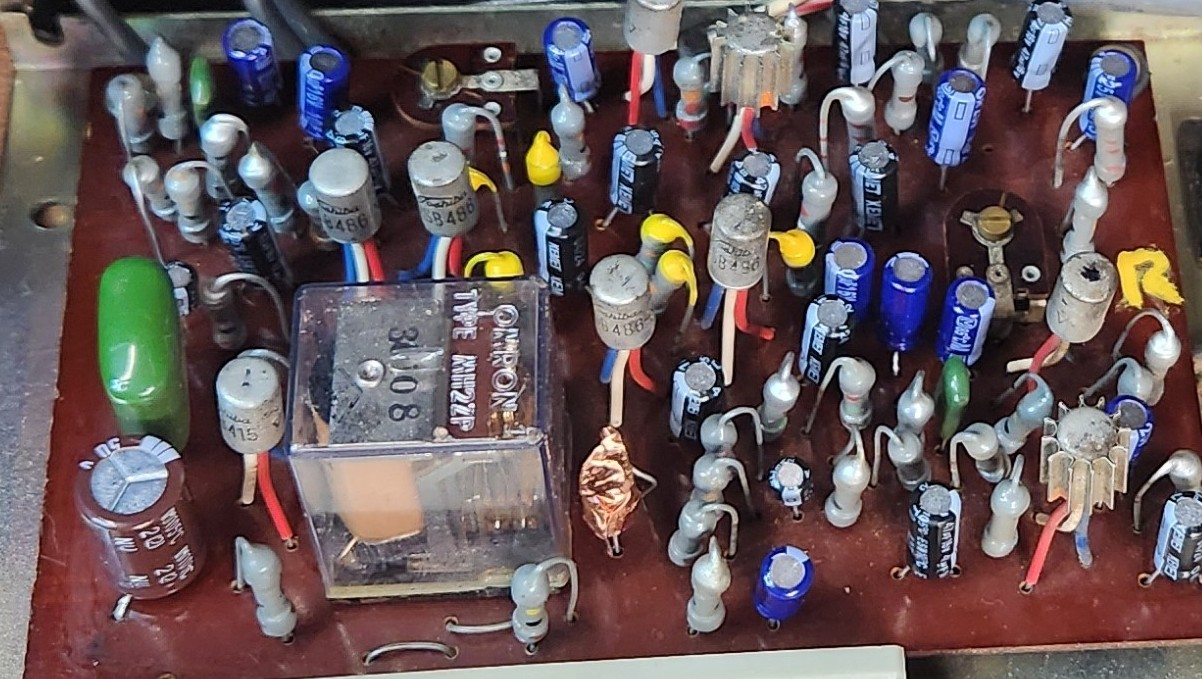
This how I cleaned the relay contacts. Some of these relays are only available used so best to just clean/test them if they are working.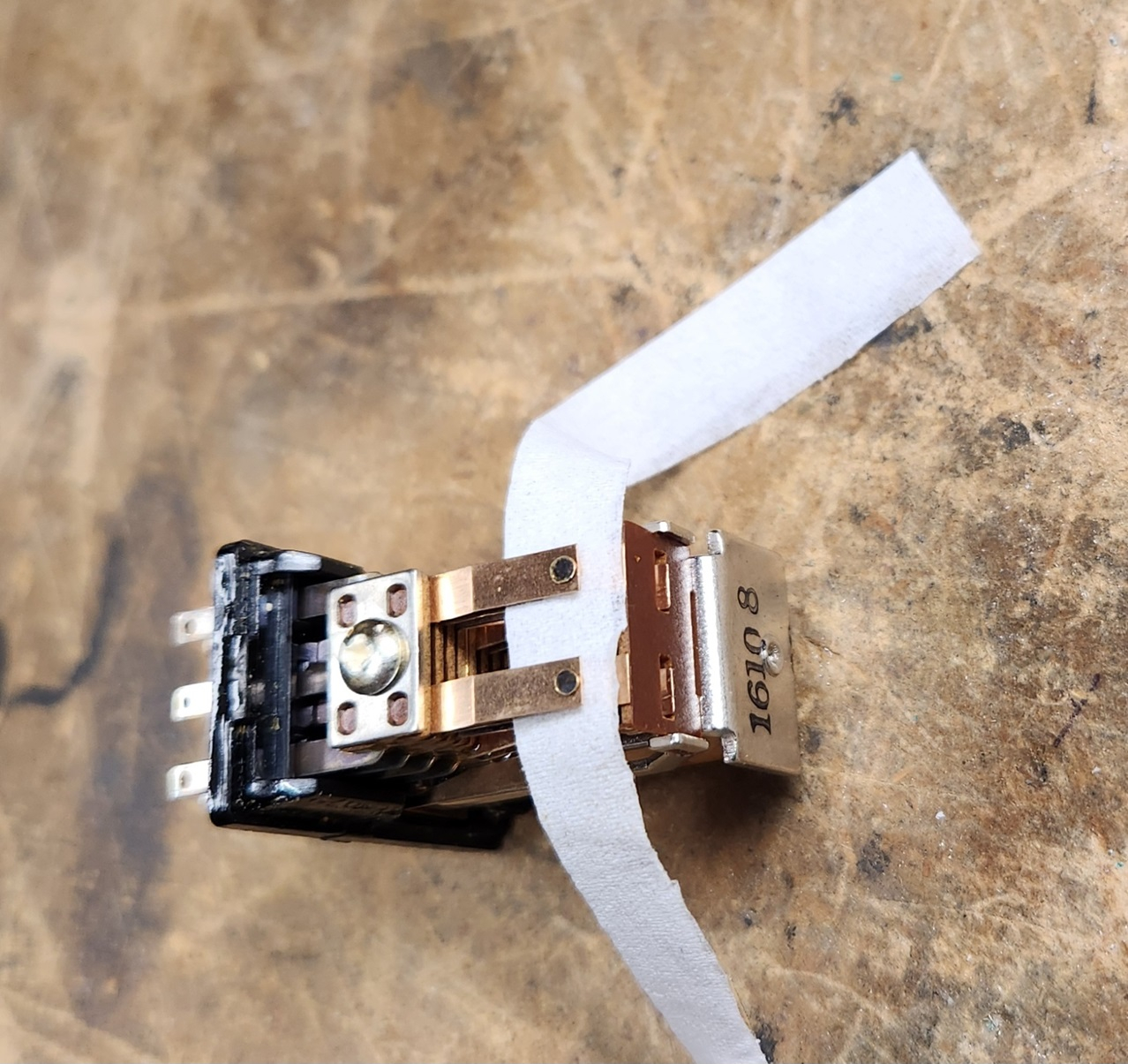
Salk SoundScape 8's * Audio Research Reference 3 * Bottlehead Eros Phono * Park's Audio Budgie SUT * Krell KSA-250 * Harmonic Technology Pro 9+ * Signature Series Sonore Music Server w/Deux PS * Roon * Gustard R26 DAC / Singxer SU-6 DDC * Heavy Plinth Lenco L75 Idler Drive * AA MG-1 Linear Air Bearing Arm * AT33PTG/II & Denon 103R * Richard Gray 600S * NHT B-12d subs * GIK Acoustic Treatments * Sennheiser HD650 * -
So do you then stuff the 3rd leg in the negative hole?
-
The third leg on these caps was connected to the outer shell, kind of like a shield like path audio uses- Not Tom ::::::: Any system can play Diana Krall. Only the best can play Limp Bizkit.
-
The third leg on these caps was connected to the outer shell, kind of like a shield like path audio uses
I get that, I wasn't sure how Rich treated it. Whether he went to a different ground path or used the negative lead hole, if there was room. -
So do you then stuff the 3rd leg in the negative hole?
Depends on which one you call the negative hole 🤣Political Correctness'.........defined
"A doctrine fostered by a delusional, illogical minority and rabidly promoted by an unscrupulous mainstream media, which holds forth the proposition that it is entirely possible to pick up a t-u-r-d by the clean end."
President of Club Polk -
There were three holes for them. The shield drain connected to ground. I only duplicated what I found and wouldn't add it if it wasn't there. Fixing this stuff is challenging enough without adding potential problems.

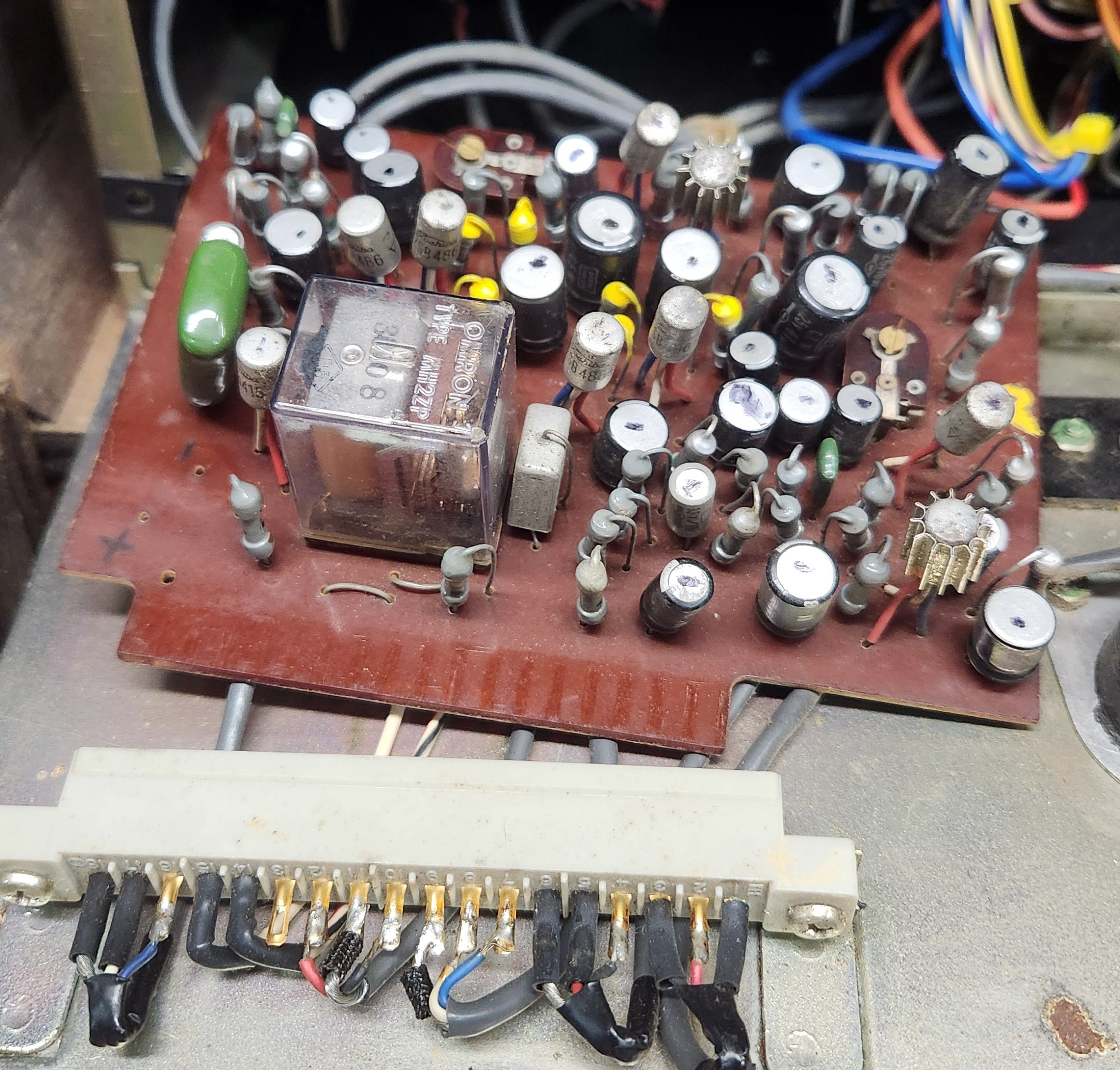
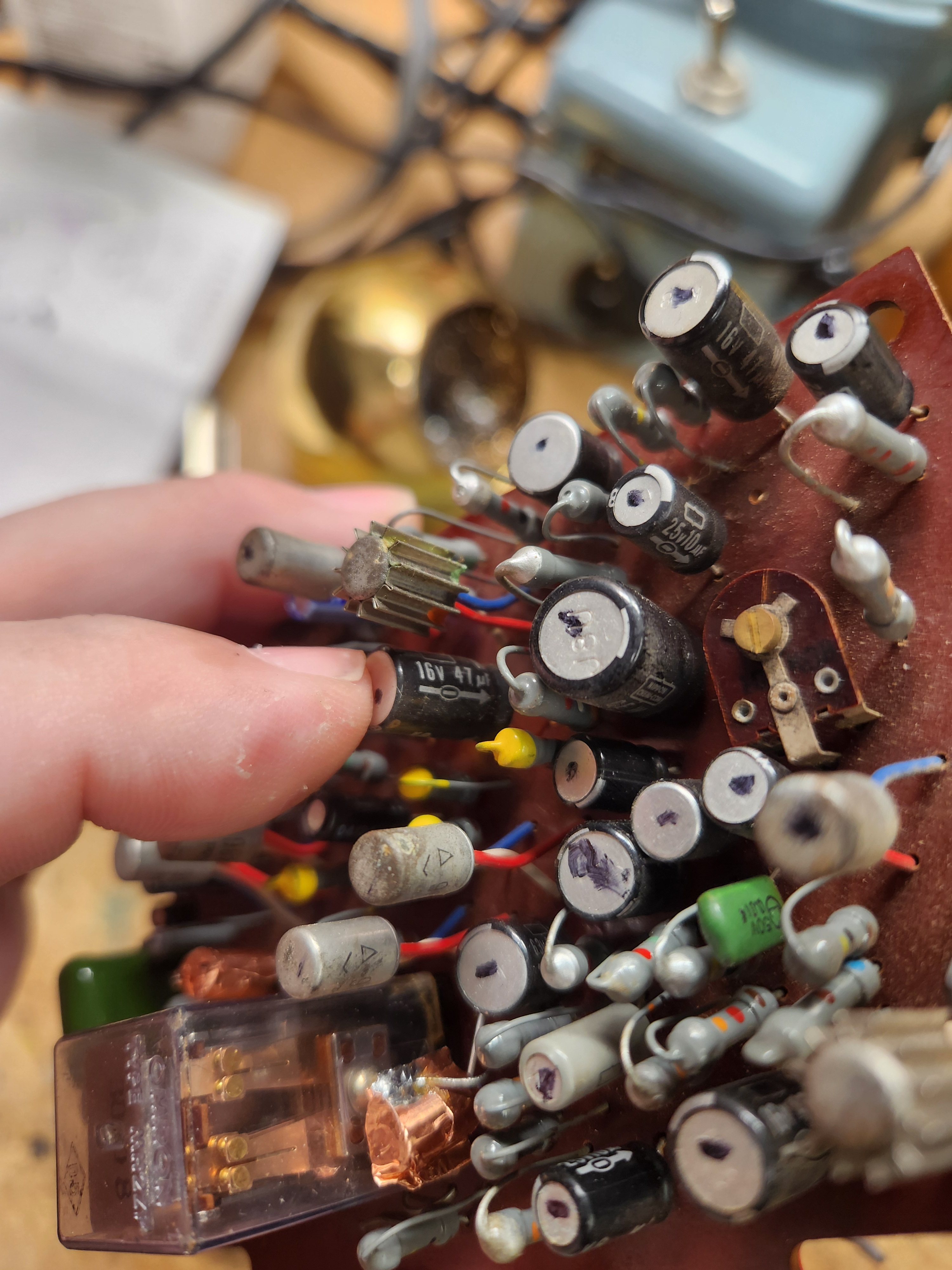
Post edited by SCompRacer onSalk SoundScape 8's * Audio Research Reference 3 * Bottlehead Eros Phono * Park's Audio Budgie SUT * Krell KSA-250 * Harmonic Technology Pro 9+ * Signature Series Sonore Music Server w/Deux PS * Roon * Gustard R26 DAC / Singxer SU-6 DDC * Heavy Plinth Lenco L75 Idler Drive * AA MG-1 Linear Air Bearing Arm * AT33PTG/II & Denon 103R * Richard Gray 600S * NHT B-12d subs * GIK Acoustic Treatments * Sennheiser HD650 * -
Really interesting thread!
-
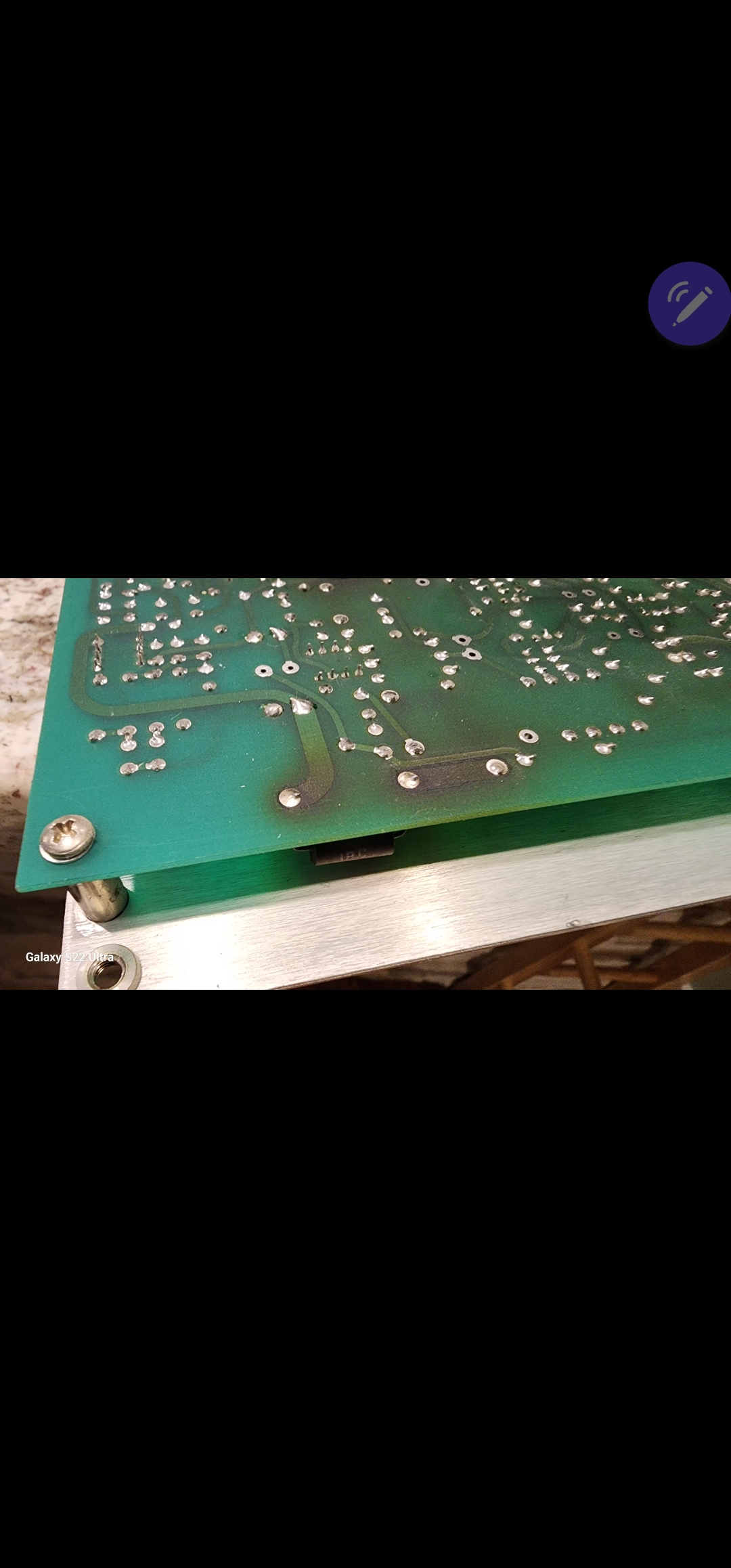
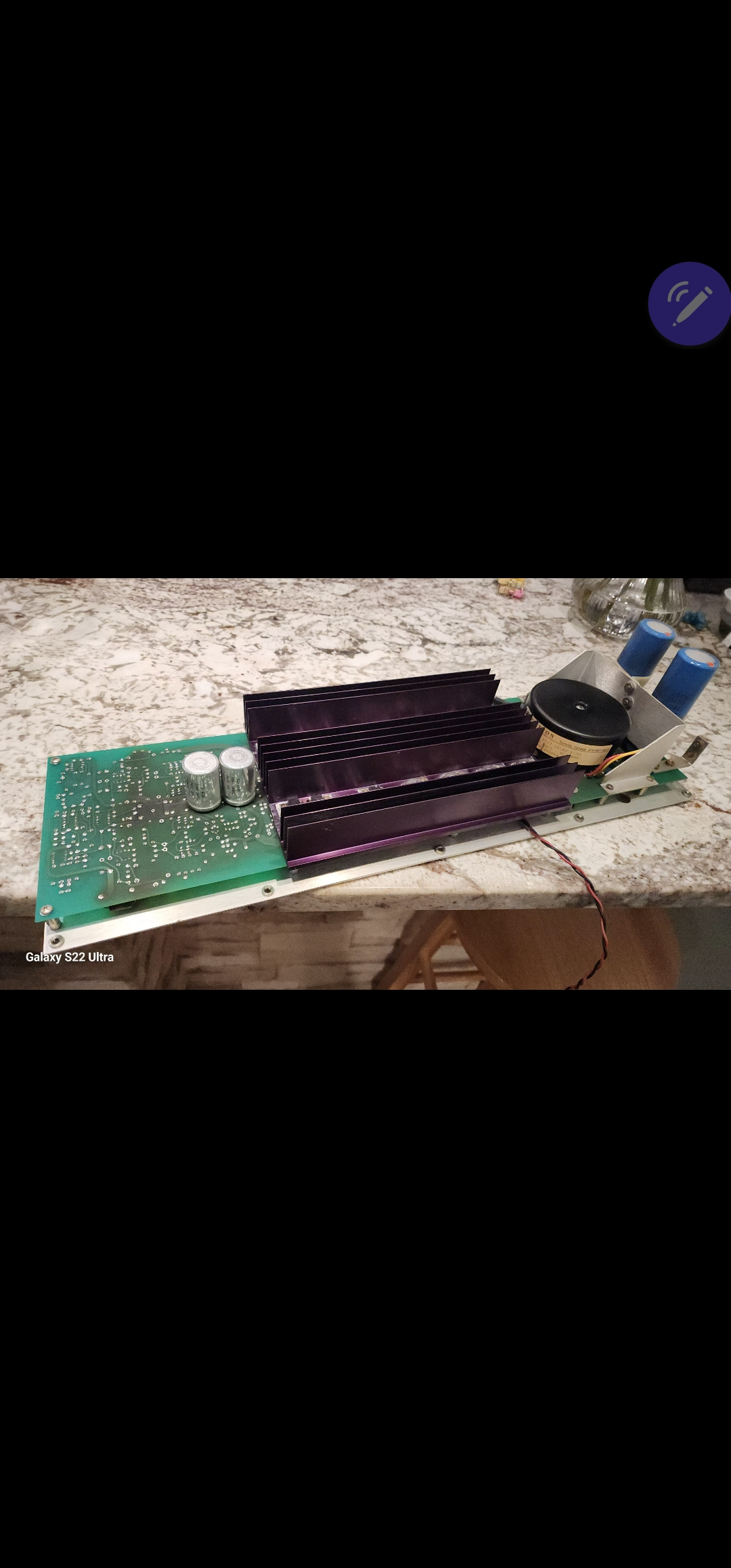
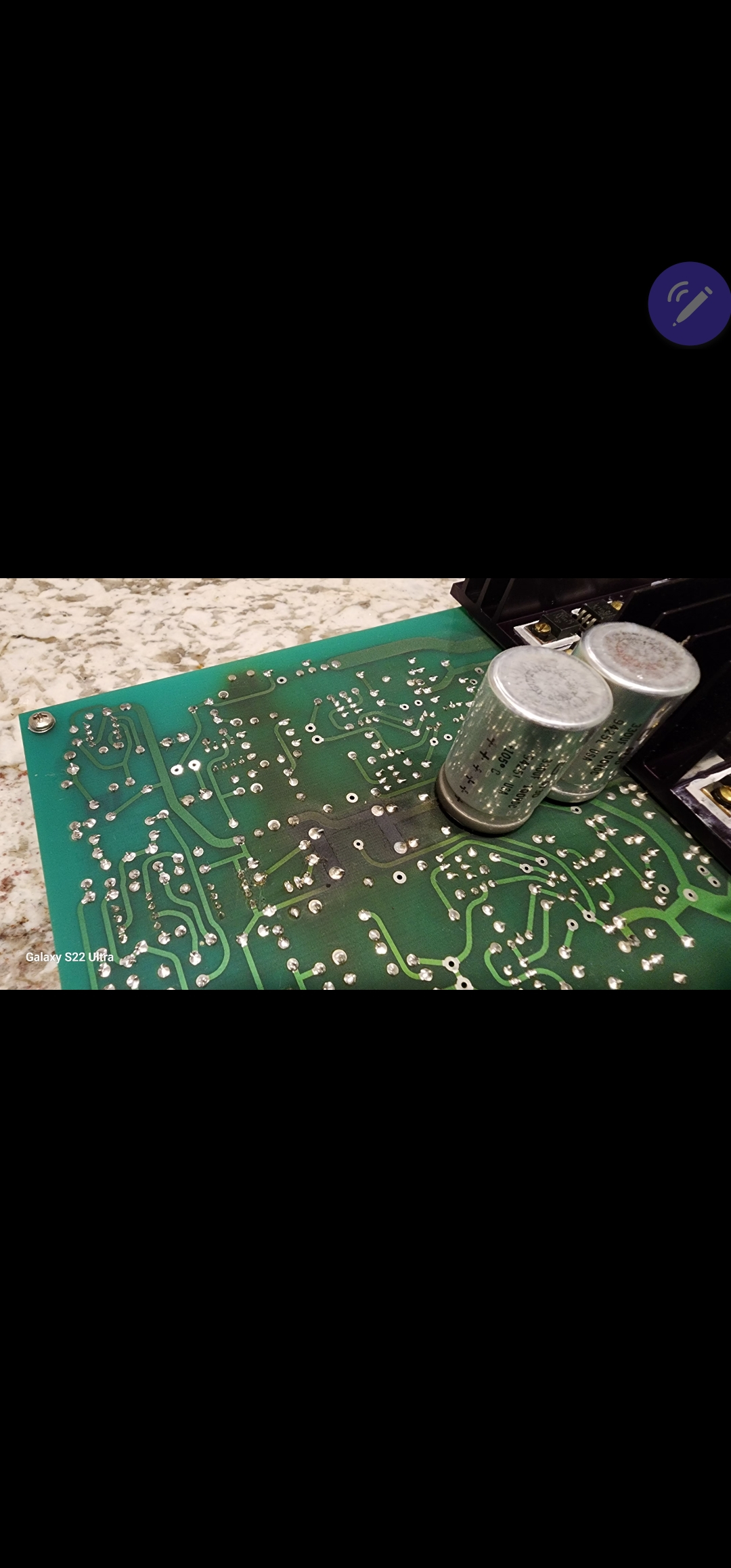
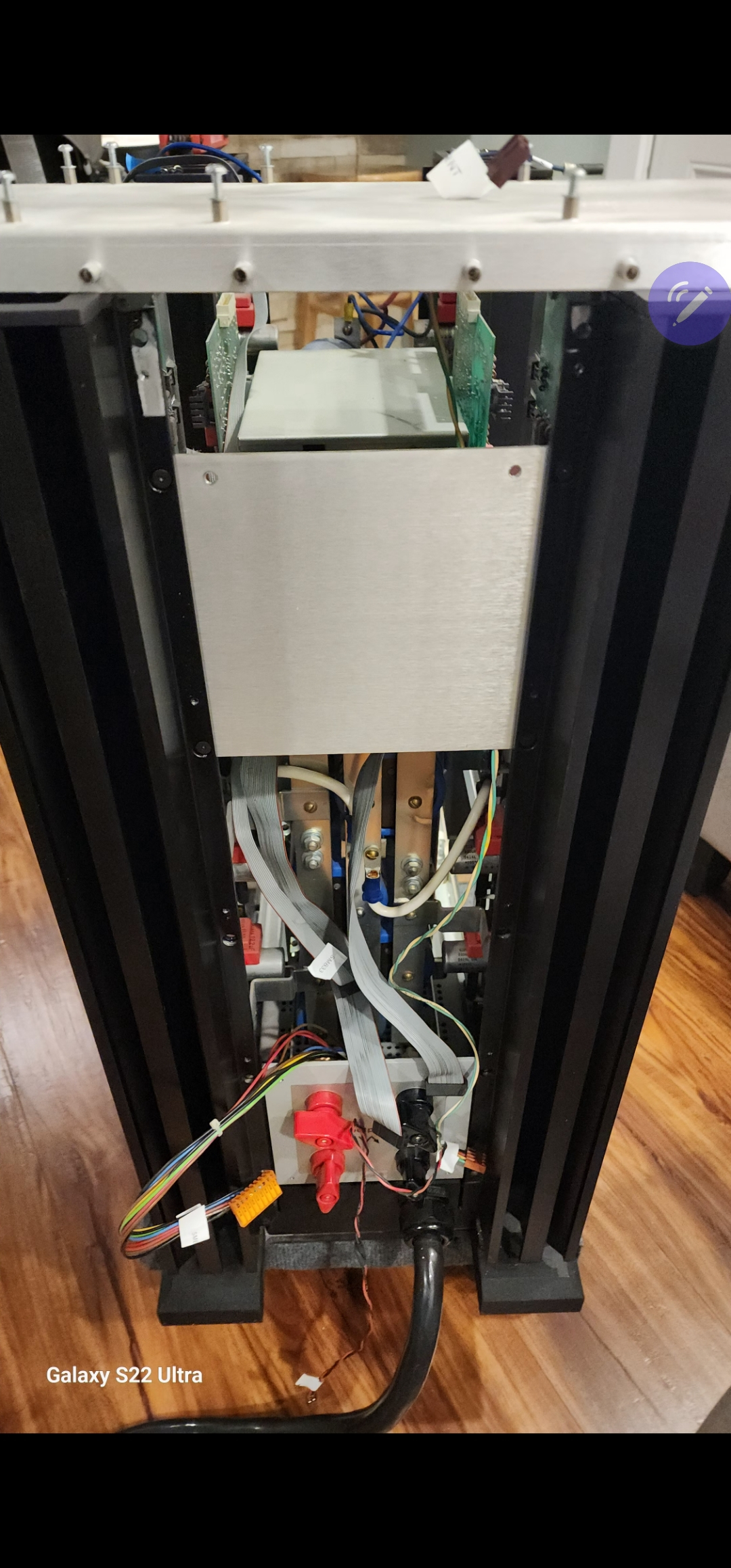
Found some hot stuff at the regenerator!
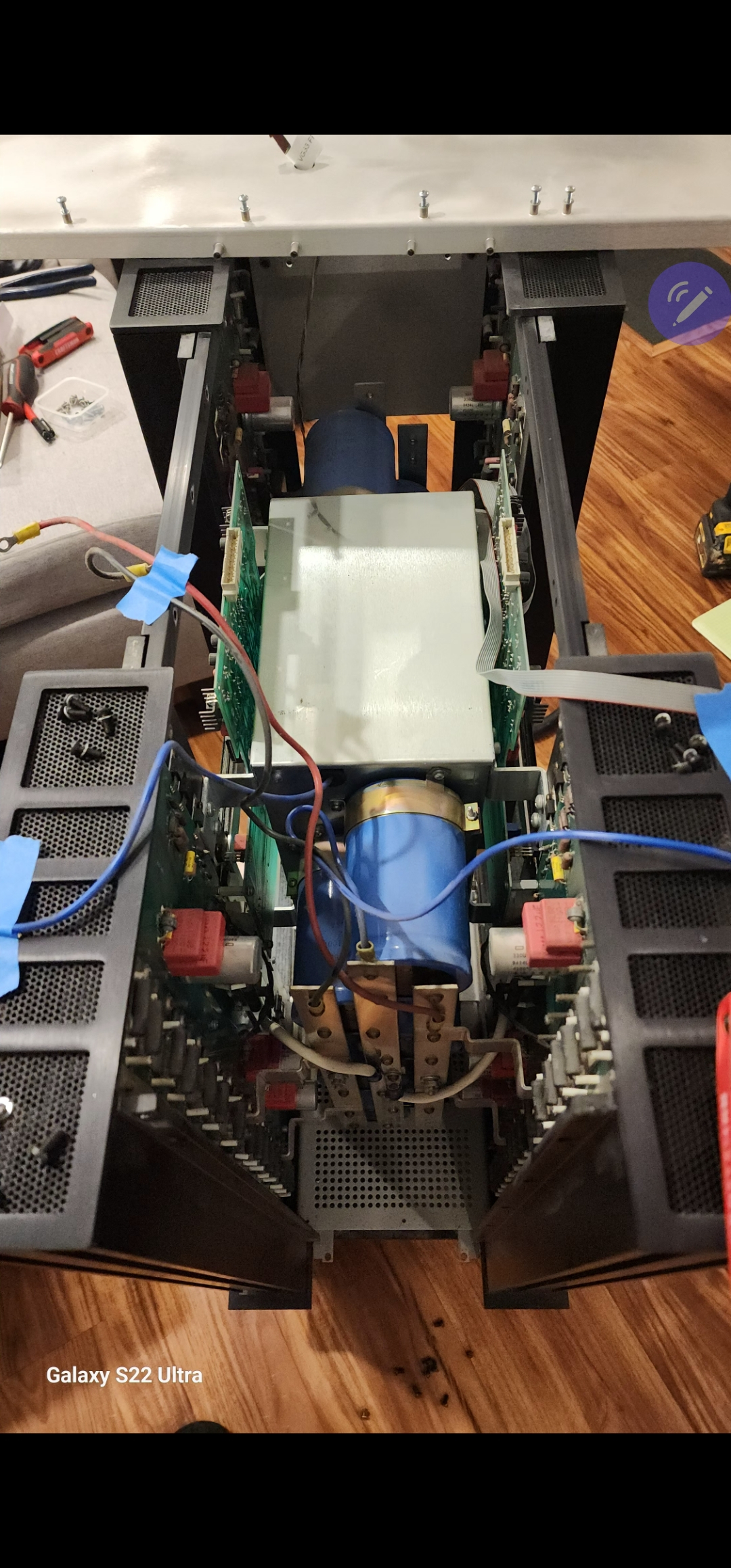
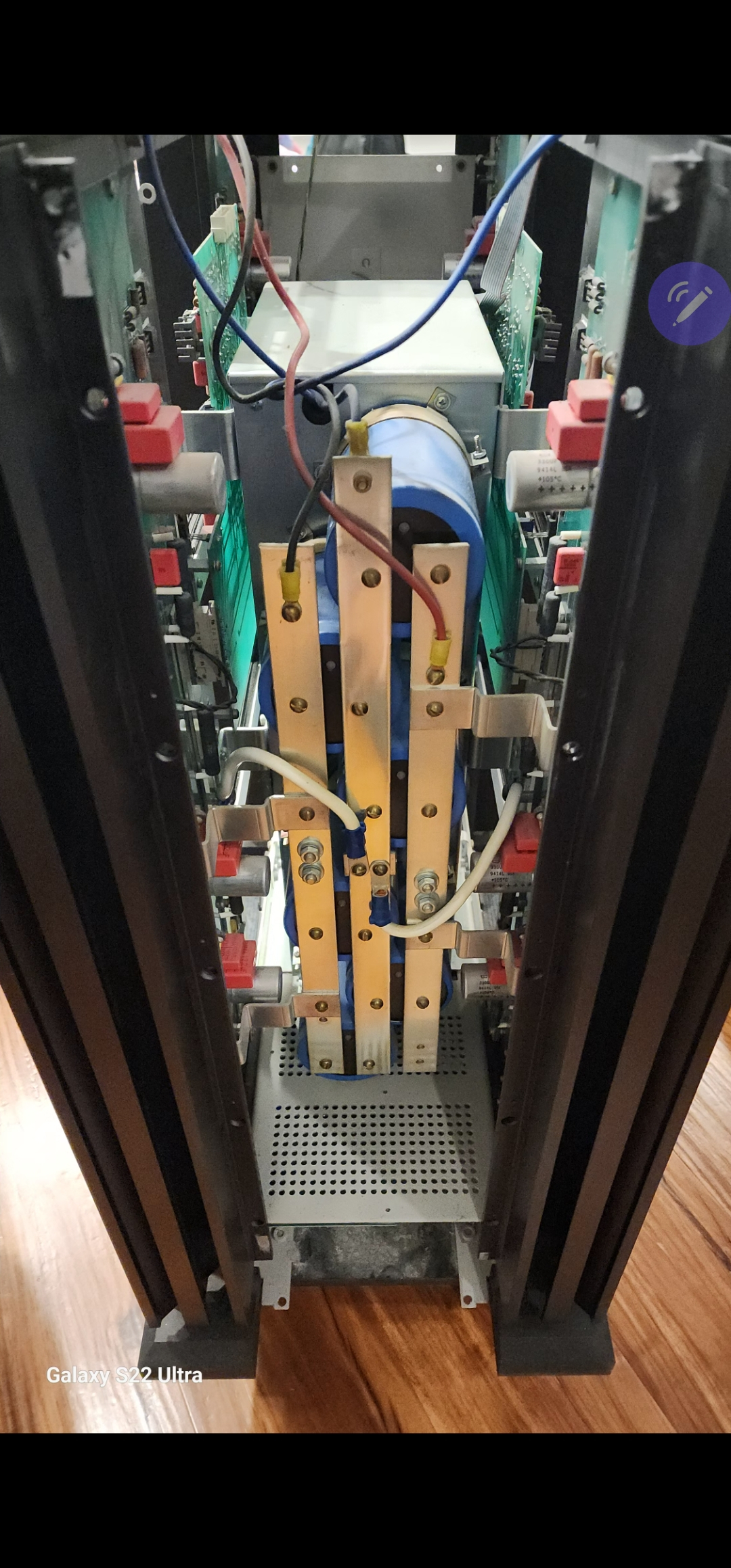
- Not Tom ::::::: Any system can play Diana Krall. Only the best can play Limp Bizkit. -
Looks like a few resistors burned up, wonder what would cause that
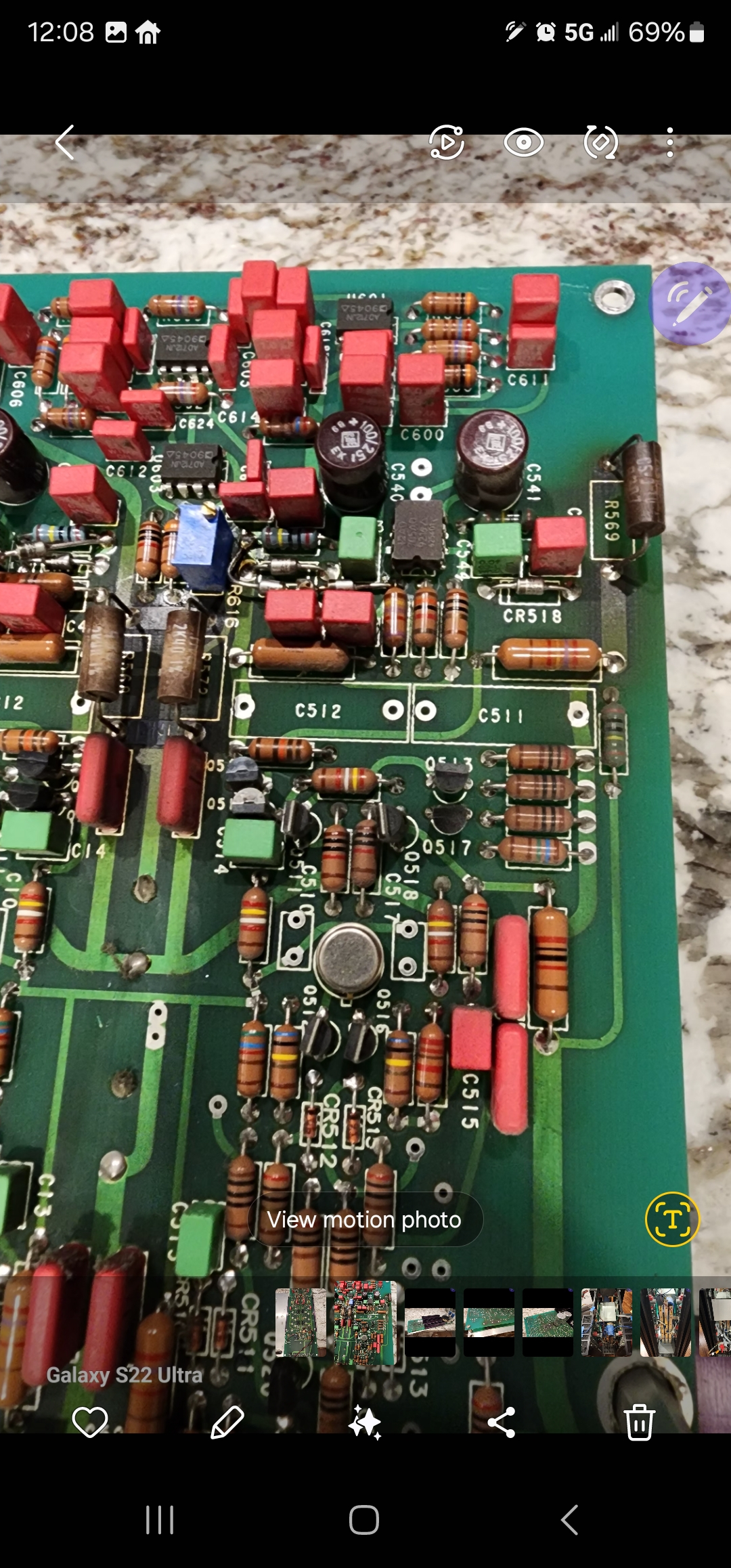
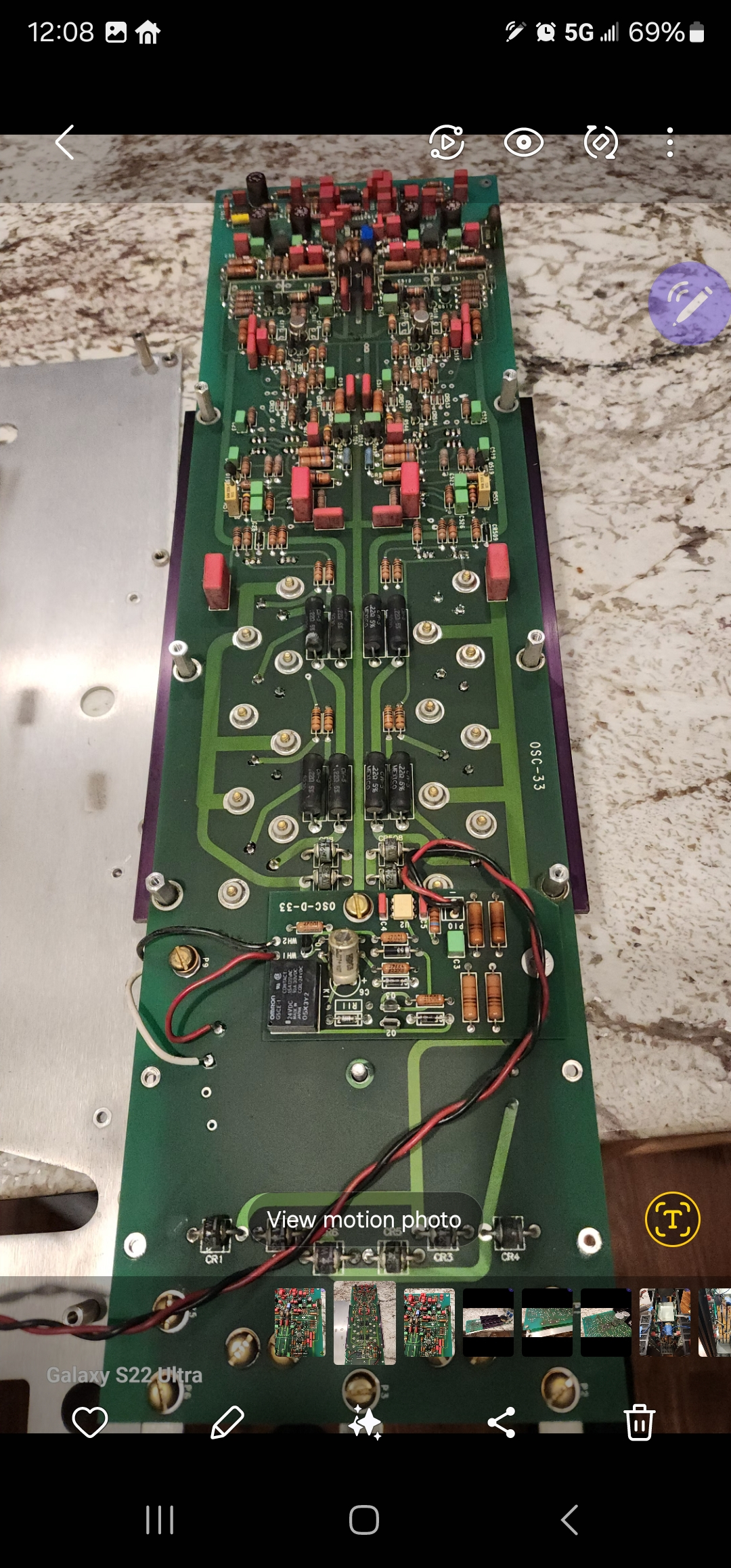
- Not Tom ::::::: Any system can play Diana Krall. Only the best can play Limp Bizkit. -
My Krell had some 700 Ohm resistors in the soft start that created large amounts of heat in normal operation (400F) that burned nearby capacitors and the board, even mounted with stand off. I flipped the resistors to opposite side of board so they were near front panel. Some guys used chassis mount resistors but that only works if you are near a thick aluminum panel to mount them. Or you have to make some kind of adequate heat sink for them.
I'm guessing there aren't many disassembled pics of your amp to compare to. Any diyaudio guys that have experience with them?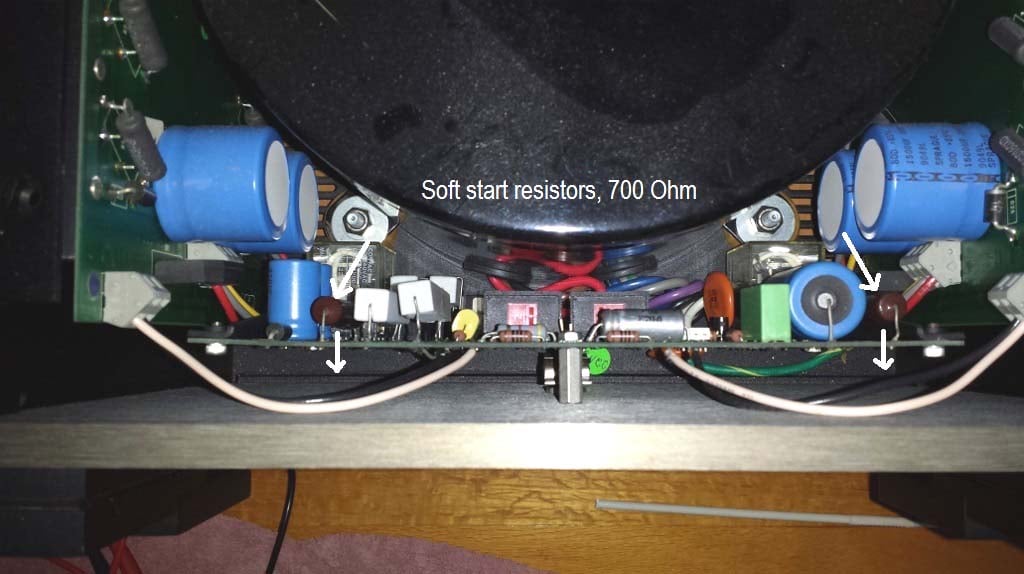
Not out of my amp. I moved the resistors so this wouldn't happen.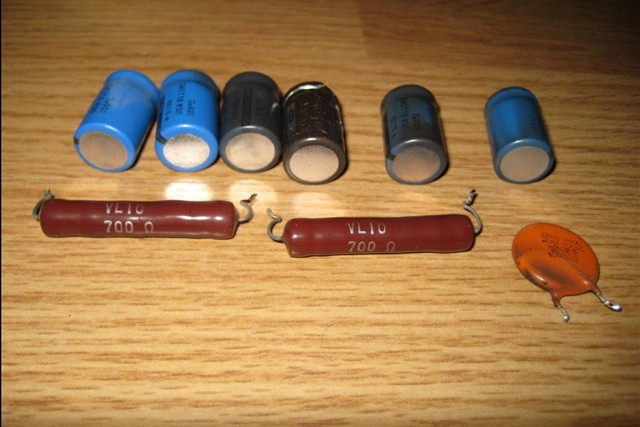
Resistors moved to opposite side.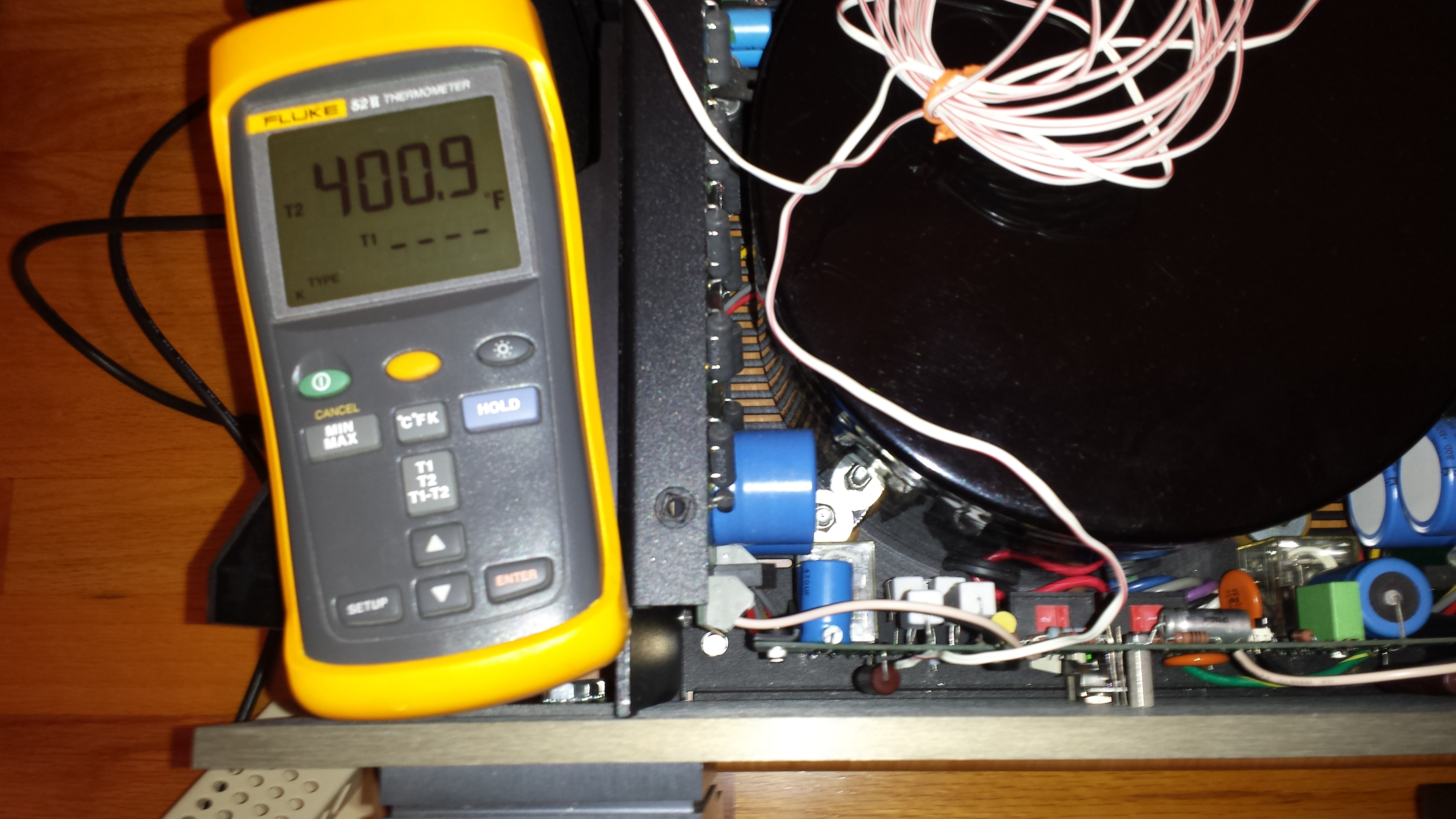
This is from a KSA-250 recap video where they used chassis mount resistors.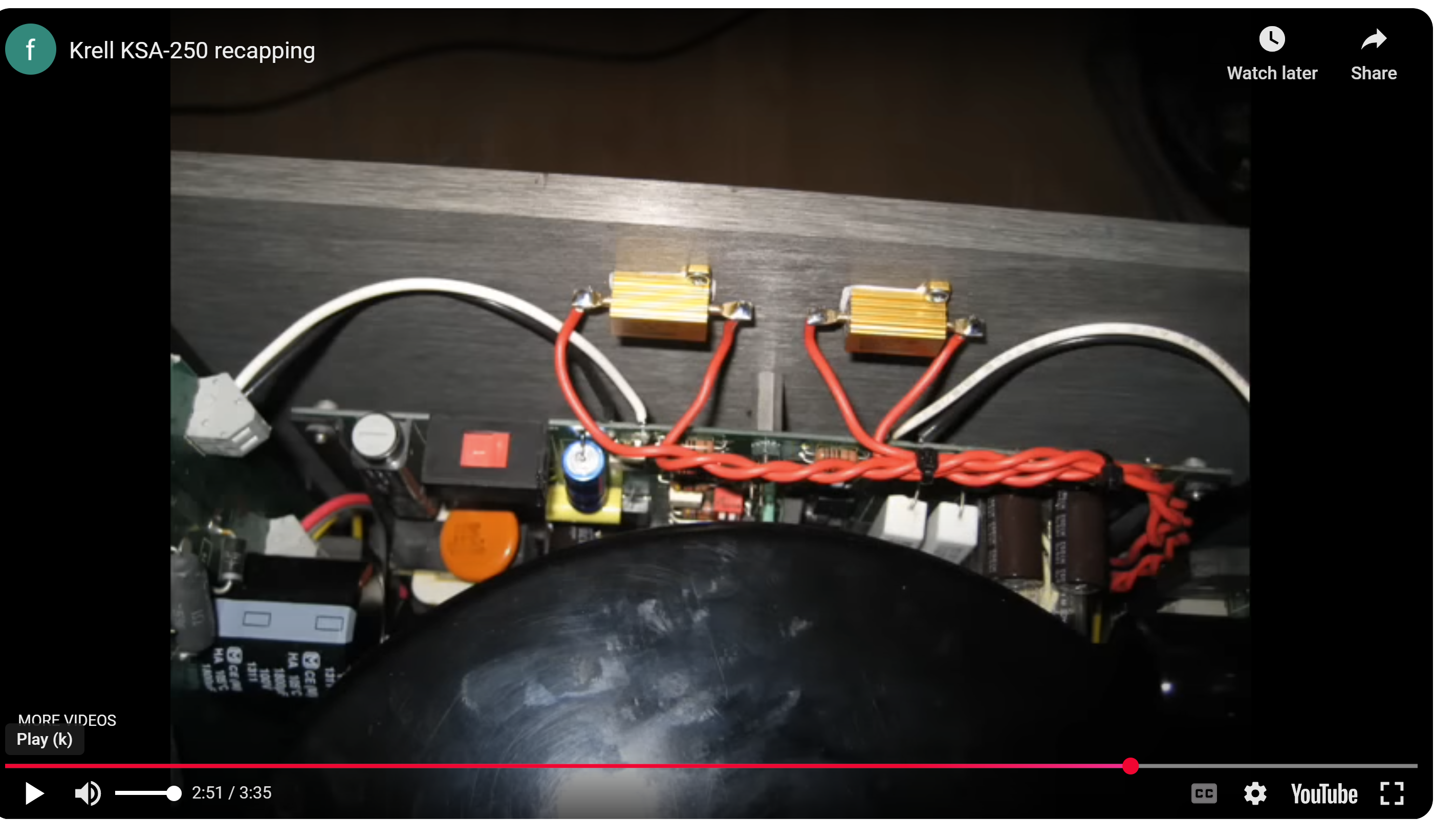
Just curious if you checked/discharged the big caps? I prefer the incandescent light bulb method over the short the terminals method with large caps.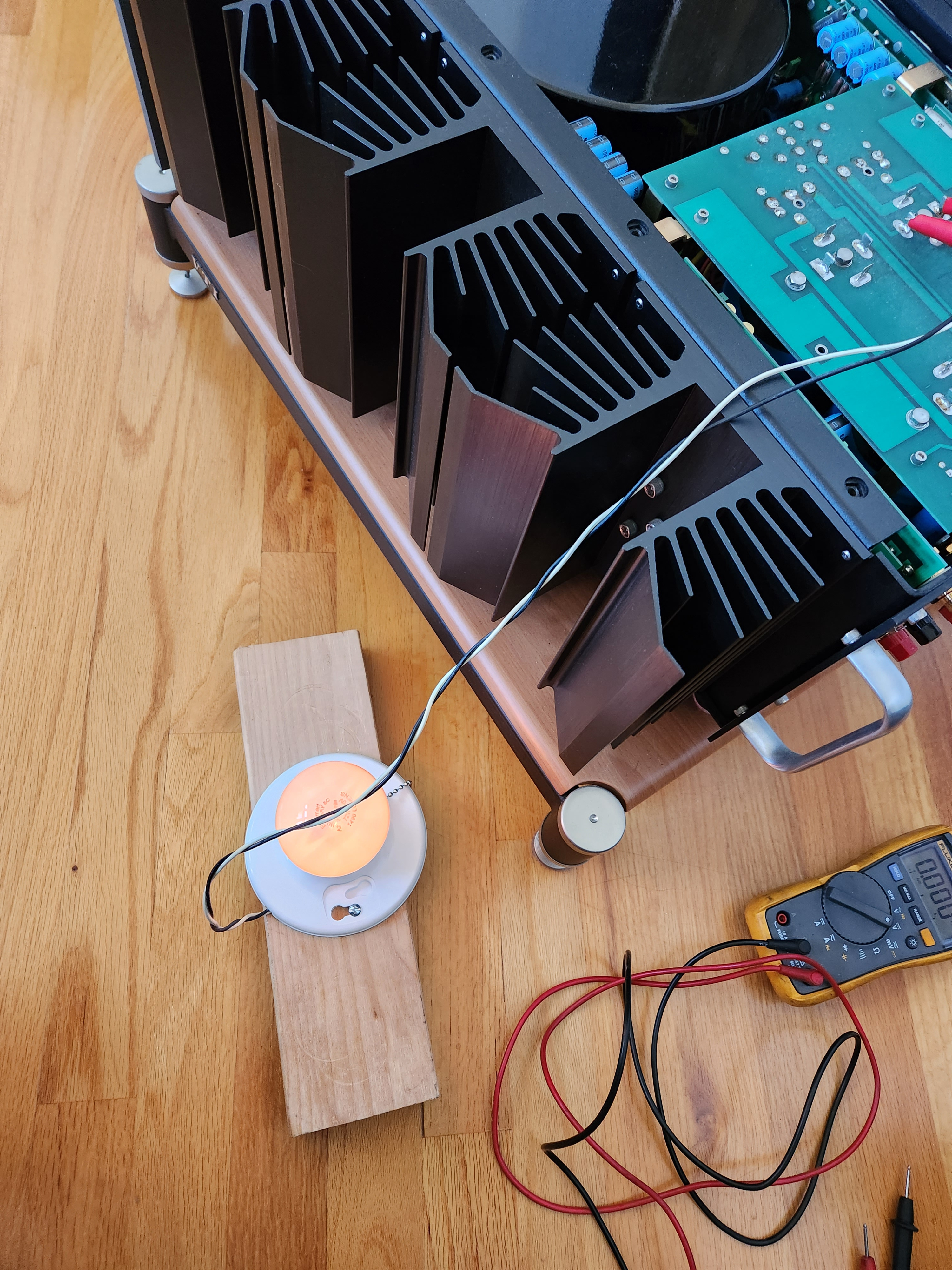
Salk SoundScape 8's * Audio Research Reference 3 * Bottlehead Eros Phono * Park's Audio Budgie SUT * Krell KSA-250 * Harmonic Technology Pro 9+ * Signature Series Sonore Music Server w/Deux PS * Roon * Gustard R26 DAC / Singxer SU-6 DDC * Heavy Plinth Lenco L75 Idler Drive * AA MG-1 Linear Air Bearing Arm * AT33PTG/II & Denon 103R * Richard Gray 600S * NHT B-12d subs * GIK Acoustic Treatments * Sennheiser HD650 * -
Very good info. I haven't had any chance to go thru the schematic or check the board with a meter to try to find potential faults.
I know there are some resistors similar to your description at the base of the amp thst alot of folks recommend replacing. That is on the list.
So last night I had prepared to discharge the large caps via a 10 ohm 50 watt resistor as the repair manual called out. I was surprised to find all of the caps completely drained. The amp had been off for several months, but yep no voltage!- Not Tom ::::::: Any system can play Diana Krall. Only the best can play Limp Bizkit. -
Interesting. I've known caps that will bring you to your knees (or possibly render you unconscious) if one touched the leads, years after any type of charge. My guess would be that it depends on what type of cap.
Tom~ In search of accurate reproduction of music. Real sound is my reference and while perfection may not be attainable? If I chase it, I might just catch excellence. ~ -
I have yet to find any cap with any kind of stored energy at any point in this process... It's been a shocking discovery 😅- Not Tom ::::::: Any system can play Diana Krall. Only the best can play Limp Bizkit.
-
Try using your tounge!
Tom~ In search of accurate reproduction of music. Real sound is my reference and while perfection may not be attainable? If I chase it, I might just catch excellence. ~ -
Lol, the anxiety of digging thru a device such as this is very very high. Not going to lie.
The 400v rated gloves I bought have actually been very easy to work with as I usually dislike wearing gloves.
Either way I definitely keep in mind the possibility of voltage being present.
On the flip side, the modular nature of the levinson has made it honestly easy to disassemble and work with.
Now whether or not my work here will translate into a working Monoblock or an expensive brick sent to a technician later on is hard to say! I guess we will find out. (all of the electrolytic caps needed to be changed anyhow)
Nothing ventured... Nothing gained- Not Tom ::::::: Any system can play Diana Krall. Only the best can play Limp Bizkit. -
Kudos to you for learning and at least trying sir. My hat is off to you!
Tom~ In search of accurate reproduction of music. Real sound is my reference and while perfection may not be attainable? If I chase it, I might just catch excellence. ~ -
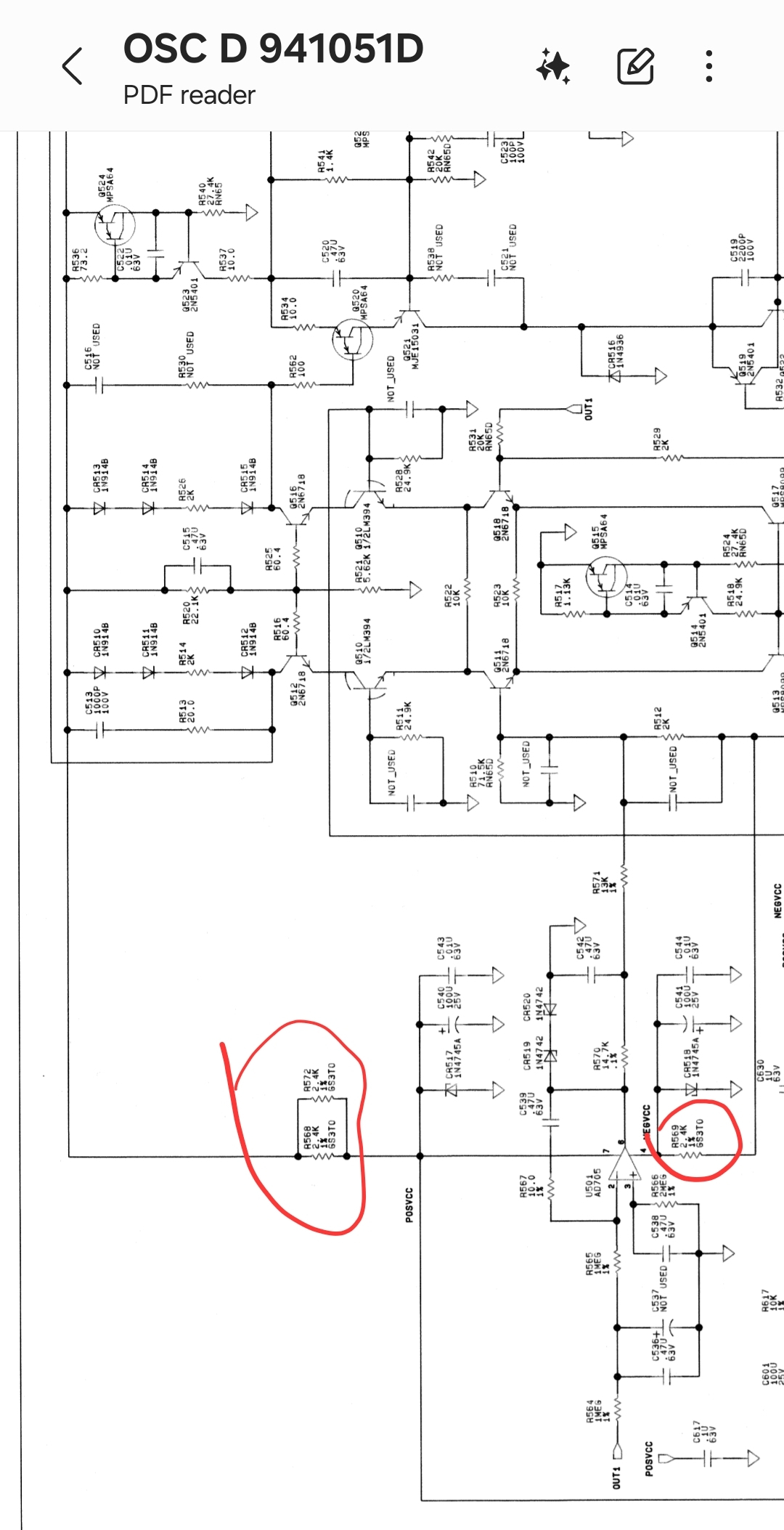
These are the burnt resistors... Thoughts?
- Not Tom ::::::: Any system can play Diana Krall. Only the best can play Limp Bizkit. -
My thoughts after researching the part and seeing the schematic is that these are surge resistors similar to what you were talking about with your krell and similar to what is in this amp for the larger power supply.
My understanding for the big surge resistors is they tend to burn up over time due to stop start cycles.
I wonder if that is the case with thsse as well
Gs3 is a 3 watt thick film resistor for power/surge applications
Only thing is they appear to be on the output side of the regenerator versus the input side- Not Tom ::::::: Any system can play Diana Krall. Only the best can play Limp Bizkit. -
@SCompRacer @SeleniumFalcon
I called one of the technicians who has experience working on these and I'm hoping you guys can help my understanding further 😁🙏🤞
This amplifier is two amplifiers in one.
You have the large power supply which receives a 240v incoming. This power supply powers the large channel boards left and right of the amplifier and the oscillator.
The oscillator powers everything else, the voltage regulator, the input board, the control board at the rear.
The resistors that burned up are essentially in line with the large power supply and are surge resistors.
Visually, I can not identify any issues with the large power supply.
Just curious if you guys had any thoughts why the oscillator surge resistors would burn up?
I wonder if the fact the large bank capacitors being completely drained would be related to this as well?
Appreciate all the help!- Not Tom ::::::: Any system can play Diana Krall. Only the best can play Limp Bizkit. -
I'll try. Last few months I have difficulty reading a complex schematic, always feel lightheaded, sometimes vison problems right eye. Got a doc appointment to find out if I'm headed for serious old man problems.
Anyway, if the PS is OK, something downstream is drawing excess current. Shorted transistors, IC, bad diodes, etc. I've used a variac with killawatt to slowly bring up power and test voltages/monitor amperage but never worked on 220vac gear. Two variacs?
Since I’m more a hobbyist tech, I've probably wasted a lot of time pulling downstream components to test, like transistors. Diodes typically require at least one end desoldered to test in circuit. Start with closest components to last toasted resistor. IC's are the most difficult to test, you can only do so much with a multimeter. In a functioning circuit one can compare IC voltages between R and L channel, but that doesn't help you if it doesn't power up.
Salk SoundScape 8's * Audio Research Reference 3 * Bottlehead Eros Phono * Park's Audio Budgie SUT * Krell KSA-250 * Harmonic Technology Pro 9+ * Signature Series Sonore Music Server w/Deux PS * Roon * Gustard R26 DAC / Singxer SU-6 DDC * Heavy Plinth Lenco L75 Idler Drive * AA MG-1 Linear Air Bearing Arm * AT33PTG/II & Denon 103R * Richard Gray 600S * NHT B-12d subs * GIK Acoustic Treatments * Sennheiser HD650 * -
Interesting...
So the voltage regulator that is directly attached to the oscillator, I replaced two transistors that had overheated and all four of the electrolytic caps on the board had failed.
I wonder if that would cause the overheating at those resistors
I think the best course would be to finish rebuilding these components and then reassemble and see what happens!
Thank you for taking the time to check out the schematics. Hopefully the issue you are having is nothing major- Not Tom ::::::: Any system can play Diana Krall. Only the best can play Limp Bizkit. -
These amplifiers evidently use the same surge resistors, there is some good info about them failing, and possible fixes.
-
So the main amplifier has 3 large surge resistors, which I have ordered thru a contact on the DIY Audio forum. Visually with a camera (they are very hard to get to!!) they appear to be ok.
Visually I can not identify anything wrong with the large power supply section of the amplifier. The regenerator supplies power to the control board which is what connects to the power button, so I am assuming since the regeneraotr is not functioning that the control board would not function either. The technician (ECB Electronic repair NJ) confirmed that with the regenerator not working properly the amp would not turn on since the control board can not talk to the rest of the amplifier.
It truly is a complex piece of equipment if there ever was one. I would almost call this "an analog computer that doubles as an amplifier"- Not Tom ::::::: Any system can play Diana Krall. Only the best can play Limp Bizkit.